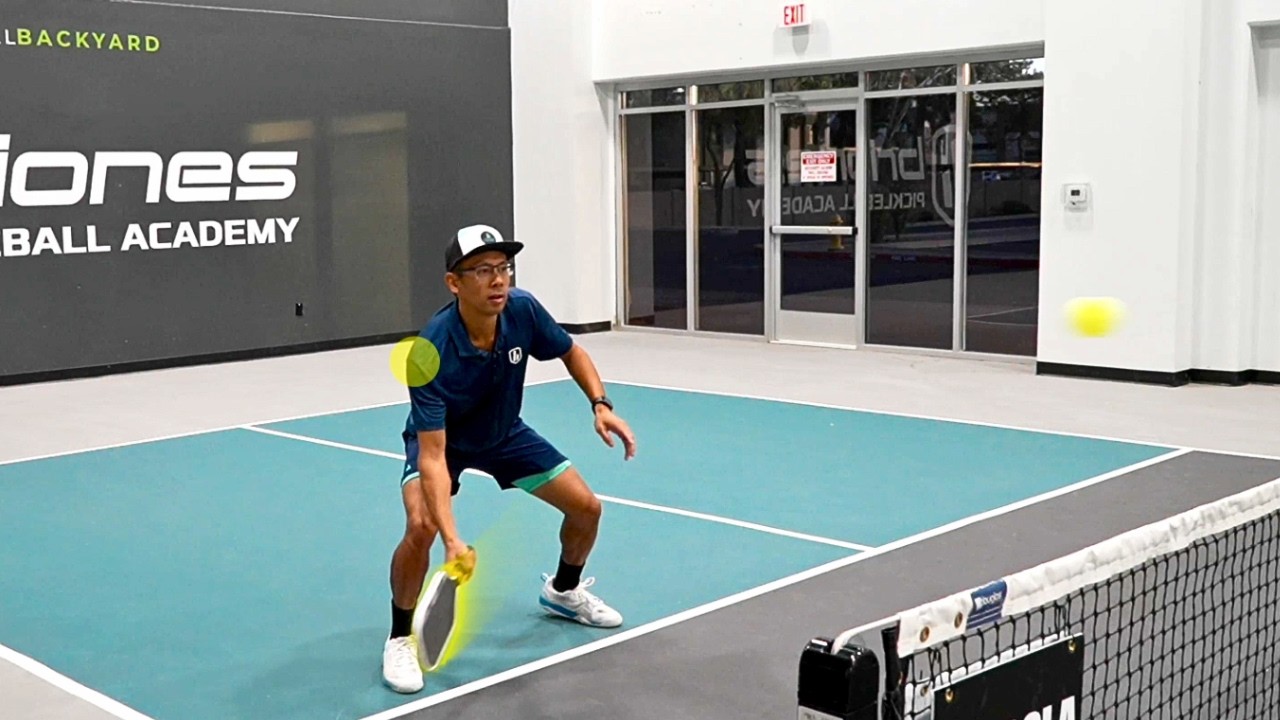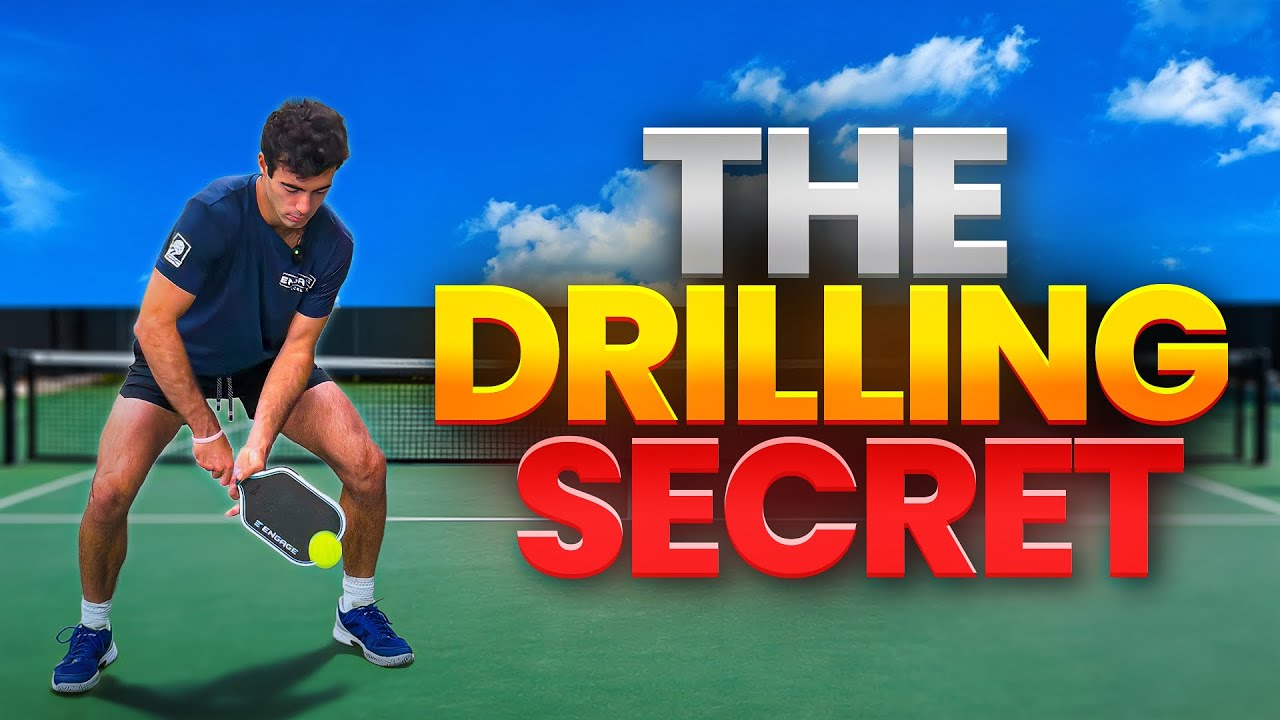
Many pickleball players struggle to see improvements because they rely on stagnant, stationary drilling that fails to mimic the chaos of a real match. According to insights from Richard Livornese, the key to bridging the gap between practice and play is adopting a two-part system: progression and live ball drilling.
The Two-Step Fix for Effective Drilling
Stagnant drilling—standing in one spot hitting the same shot repeatedly—is only useful for learning the mechanics of a brand-new shot. Once you have the basics, you must move toward game-like conditions to improve your footwork, ball recognition, and reaction speed. Here is how to apply the two-step fix:
- Drill Progression: This involves taking a known shot and gradually increasing the difficulty until it mirrors match play. Using the reset as an example, the progression follows these four stages:
- Stationary reps: Start at mid-court with your partner feeding speed-ups to build a baseline feel for the shot.
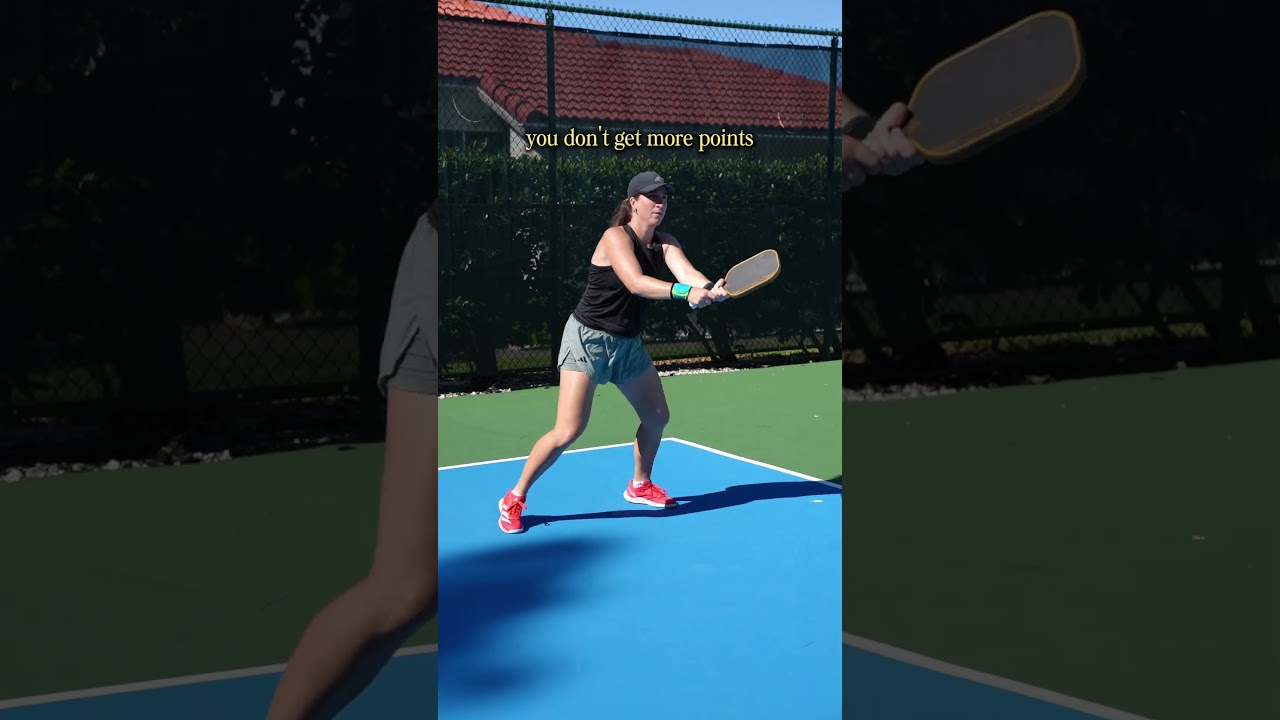
- Change court position: Move closer to the kitchen and then back toward the baseline to learn how different depths require different hand speeds and short-hopping techniques.
- Roaming: Move forward and backward continuously while resetting to integrate active footwork and reading balls off the bounce or out of the air.
- Focused live play: Play out real points where your partner intentionally feeds roughly 70 percent of balls to the specific zone you are practicing.
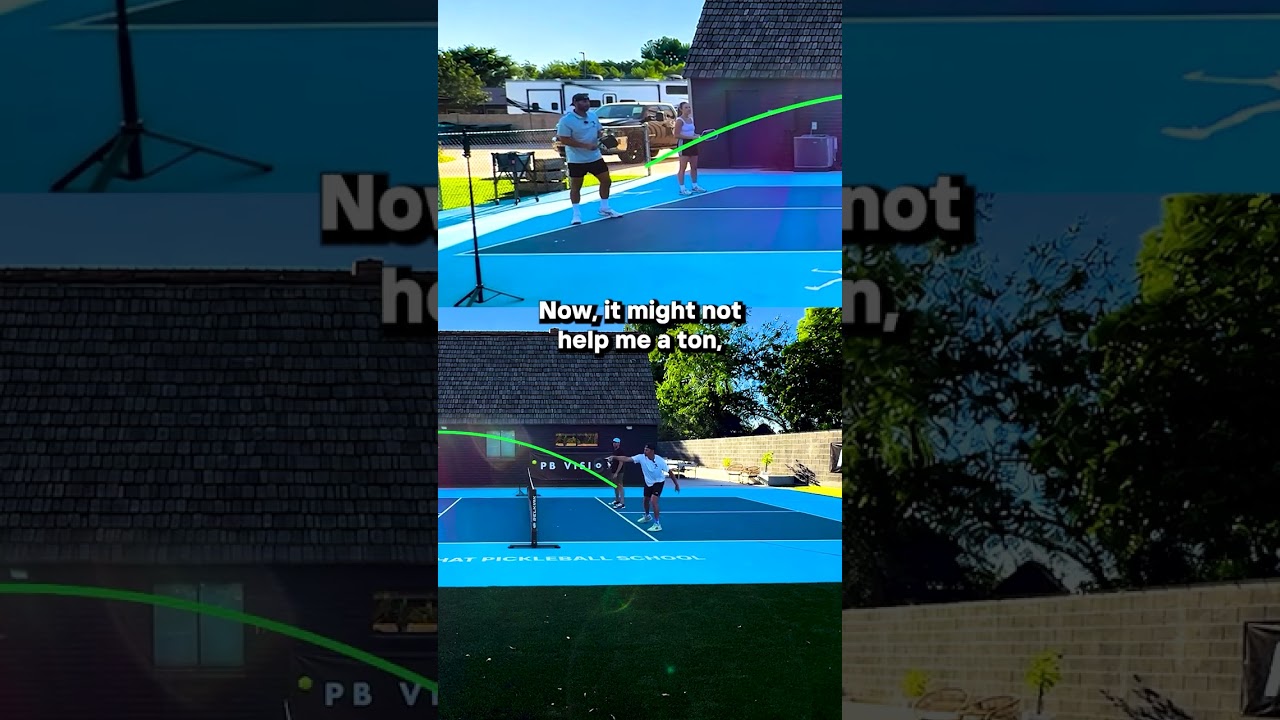
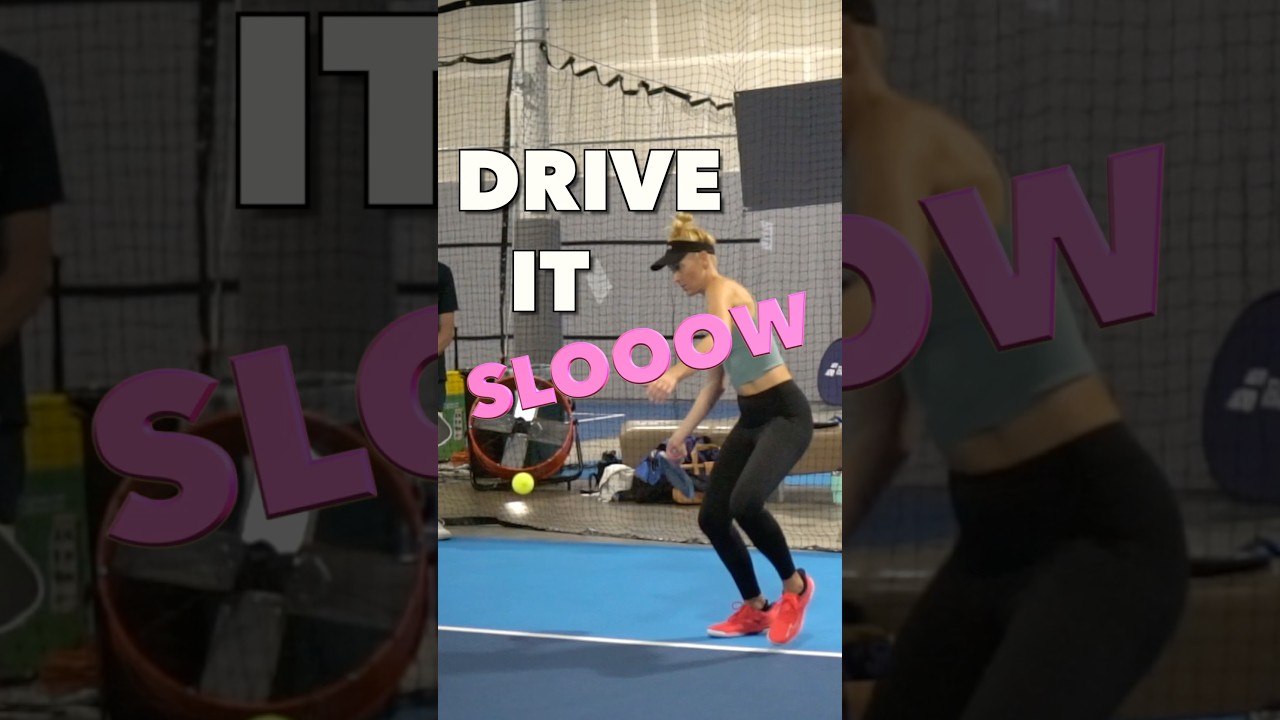
- Live Ball Drilling: This method replaces hand-fed setups with realistic game situations. By starting every rep from a scenario you would actually face in a match—such as hitting a float that sits up and forces you to recover—you develop three critical skills:
- Ball recognition: You learn to watch your opponent's paddle and feet to determine if an incoming ball will be attackable or neutral.
- Positioning under pressure: You develop the instinct to know when to close on a ball and when to hang back based on the quality of your previous shot.
- Movement efficiency: You learn exactly where to move on the court based on the specific ball you just hit, rather than relying on raw speed alone.
By applying this structured approach to common skills like dinking—where you move from feeding and repeating to moving to create the ball, allowing your partner to attack your mistakes, and finally engaging in focused live dinking—you ensure that your practice time directly translates to a higher level of performance on the court.