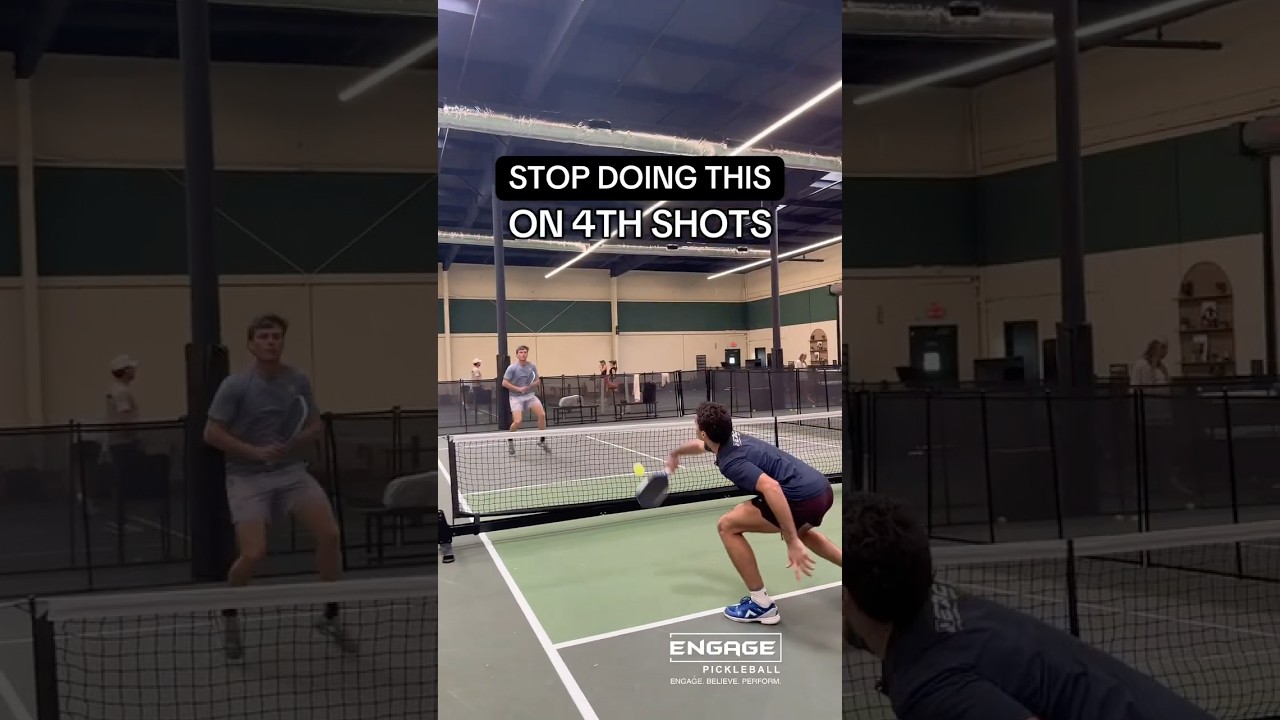
Amateur pickleball players often lose rallies by treating the transition zone as a race to the kitchen line rather than a tactical space that requires patience and stability. By rushing forward, players frequently arrive off-balance and vulnerable, turning a neutral situation into an easy put-away for their opponents.
Mastering the Transition Zone
To stop bleeding points in the middle of the court, you must shift your mindset from speed to control. According to insights from Mari Humberg Pickleball, the goal is to arrive at the kitchen line with your weight centered and your feet set, regardless of how many shots it takes to get there. Here are the three essential keys to navigating the transition zone effectively:
- Hit before you move: Do not attempt to sprint forward while you are still in the process of hitting your shot. Commit fully to the stroke, ensure the ball has left your paddle, and only then begin your movement toward the net.
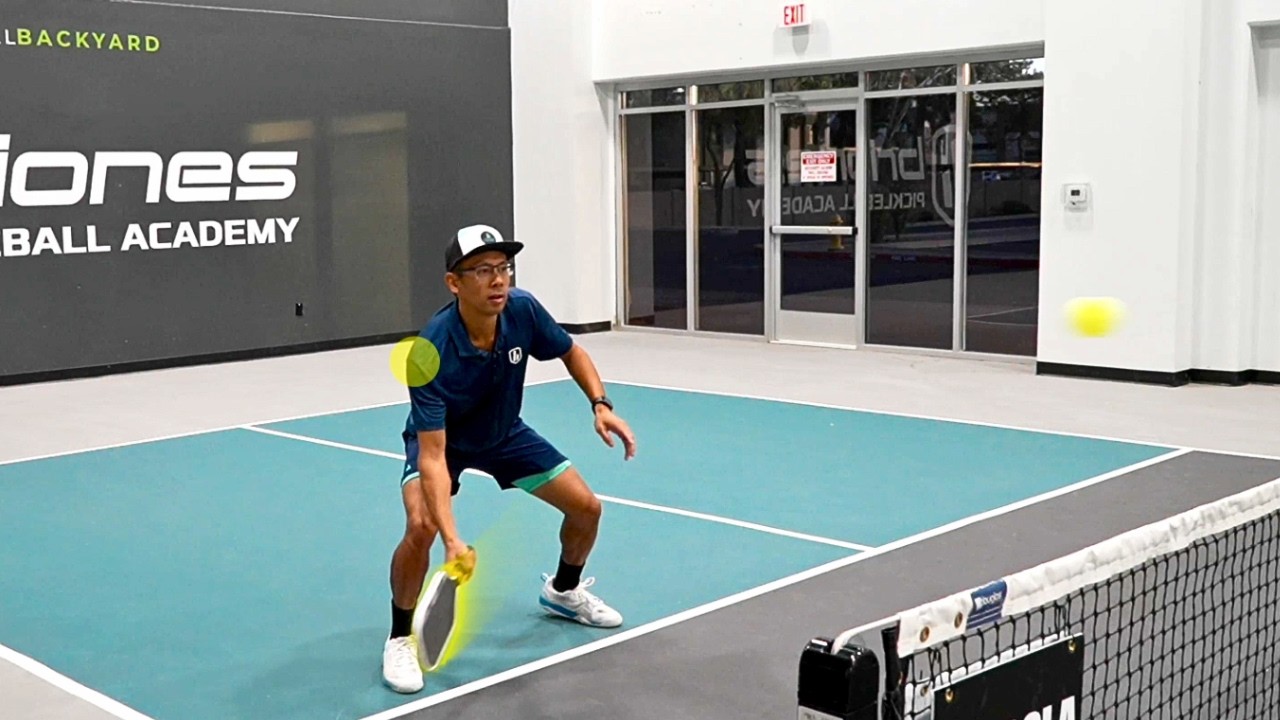
- Use small, controlled steps: Avoid lunging or taking giant strides. Move forward in short, measured increments, resetting your base after every few feet. This allows you to stop and prepare for the next incoming ball with better stability.
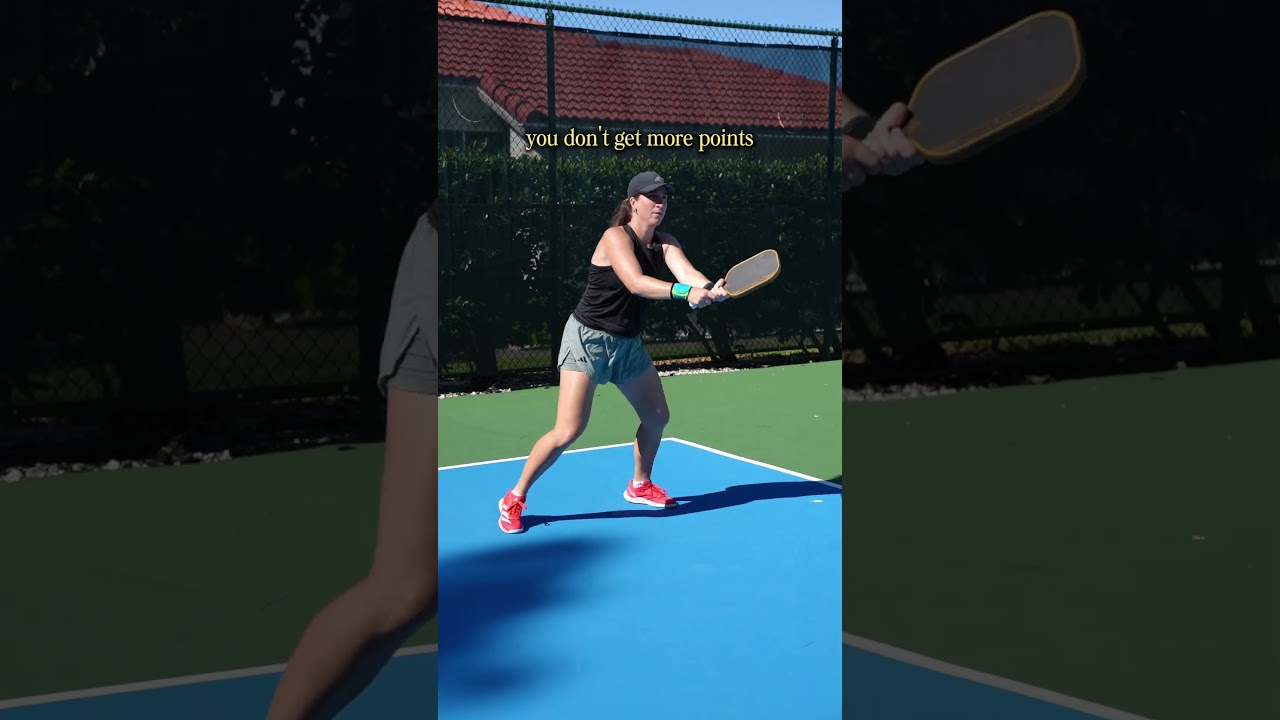
- Stop before you swing: Whenever possible, get your feet completely set before making contact with the ball. This is the most effective way to improve your balance, as it prevents you from hitting while your body is still drifting forward or falling out of position.
It is important to accept that reaching the kitchen might take five or six shots rather than one or two. There is no "magic number" for how quickly you should advance; the objective is to keep the rally alive while maintaining a balanced, defensive posture. If your opponents are targeting your feet, rushing only makes it harder to absorb the pace of the ball.
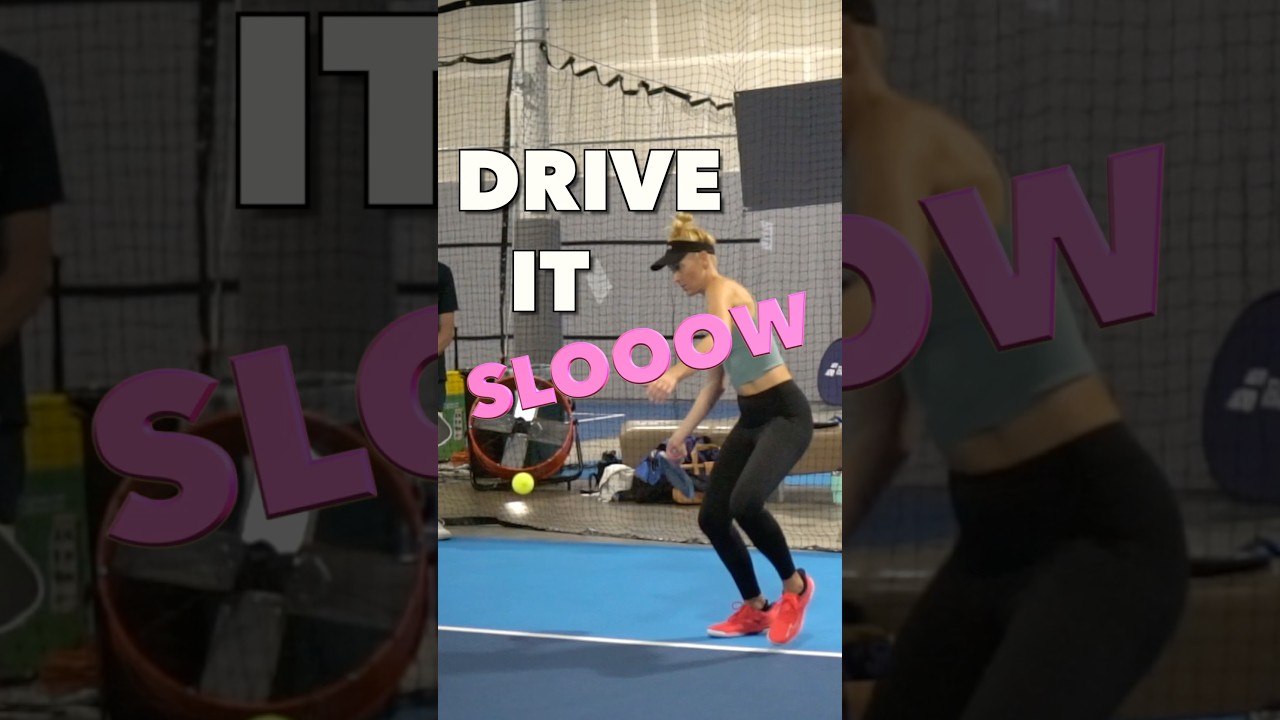
When moving through the transition zone, your primary weapons should be drops and resets. The goal is to take the pace off the ball and force your opponents to hit upward, which buys you the time needed to safely advance. Avoid the common amateur mistake of driving the ball from the transition zone, as this typically keeps your opponents in their preferred power position and provides you with zero time to move forward. By prioritizing balance over speed, you can transform the transition zone from a liability into a controlled advancement toward the kitchen line.