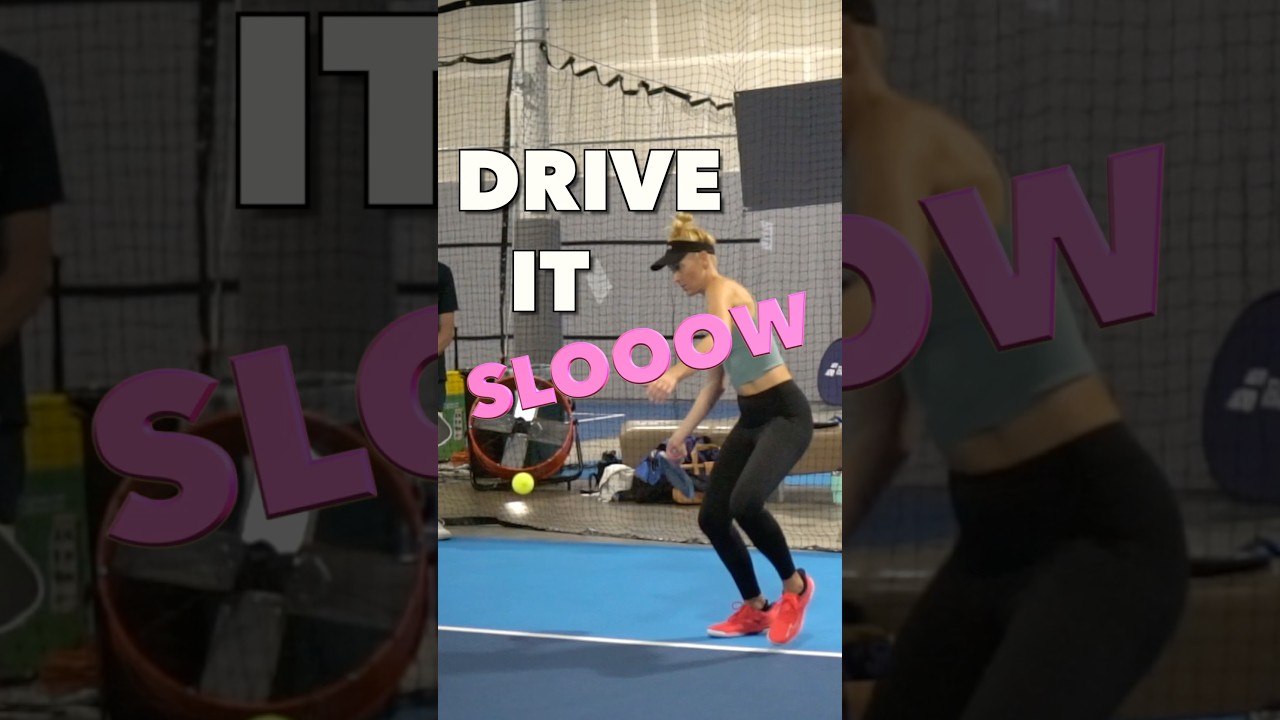
Many pickleball players mistakenly believe that maximum power is the key to a successful drive, but elite-level play suggests that slowing down your pace actually creates more pressure and better scoring opportunities. By shifting your focus from hitting winners to setting up your next shot, you gain the time and control necessary to dominate the court.
The Strategy of the "Drip" Drive
The core concept promoted by Jilly B Pickleball and high-level players like Connor Garnett is the drip. This is not a soft, defensive shot, but rather an intentional, penetrating drive that stays low and skims the net. When you stop trying to end the point with pure speed, you gain several mechanical and tactical advantages:
- Compact Swing: Reducing your pace allows for a more repeatable and efficient swing motion.
- Cleaner Contact: By avoiding the urge to over-swing, you ensure more consistent contact with the sweet spot of your paddle.
- Lower Trajectory: A controlled drive is less likely to pop up, making it significantly harder for your opponent to attack.
- Improved Recovery: A measured swing allows you to finish in a balanced ready position, giving you more time to prepare for the next exchange.
- Increased Unpredictability: When you consistently hit at 70% power, your opponent struggles to time the ball, whereas a 100% power shot is often easier to read and counter.
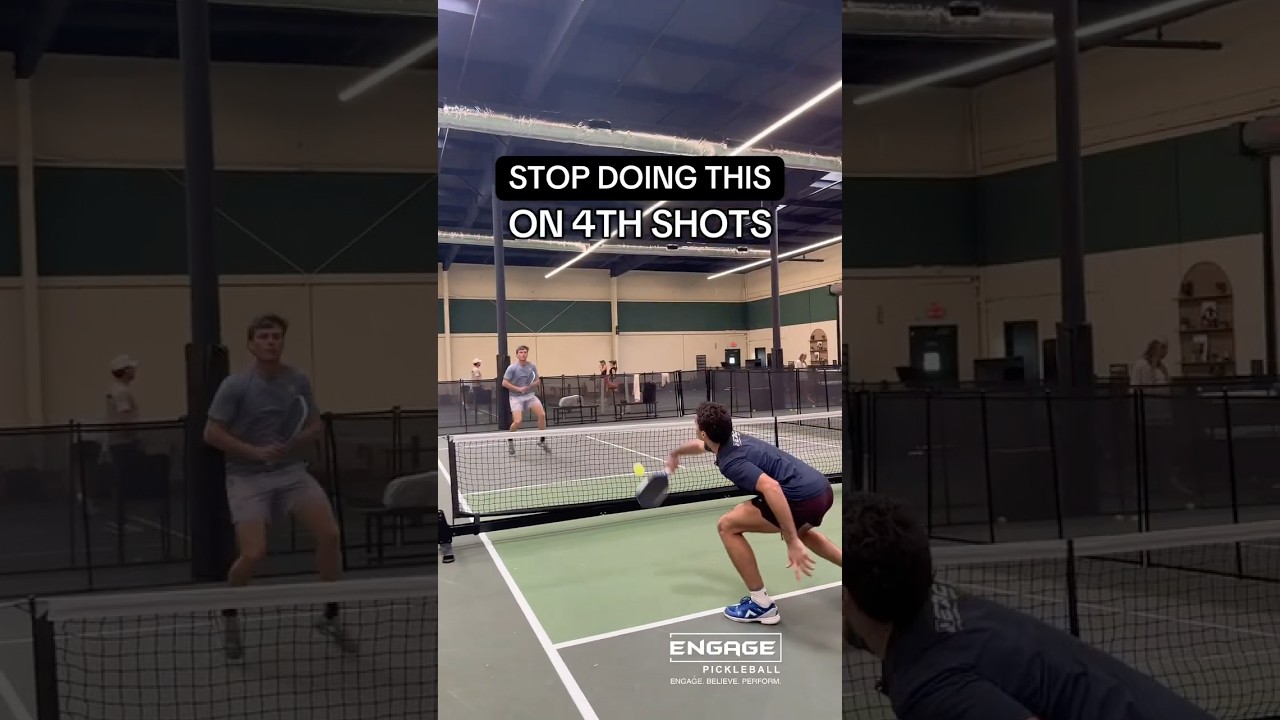
The goal of the drive is to act as a setup shot. By hitting a ball that is difficult to handle, you force your opponent to provide you with a floaty or awkward return, which you can then attack. The only time a full-pace, ripped drive is truly effective is when it is used as a surprise weapon to provide contrast against the slower, controlled drives you have been feeding your opponent throughout the match.
How to Implement the Drip Drive
To transition your game away from "power-first" thinking, follow these practical steps during your next practice session:
- Adjust Your Swing Speed: Consciously reduce your arm speed by approximately 30%. Focus on the rhythm of the swing rather than the force of the impact.
- Prioritize Clean Contact: Focus on making flat, solid contact with the ball. Avoid the temptation to generate maximum spin or pace at the expense of accuracy.
- Target Strategically: Aim for the middle of the court or directly at your opponent's hip. This minimizes the angles they have for a counter-attack and forces them into uncomfortable, cramped positions.
- Maintain Your Ready Position: Ensure you finish your follow-through with your paddle up and your feet set. Because you aren't over-swinging, you will have the time to be ready for the return.
- Observe the Opponent: Stop watching your own shot. Instead, watch how your opponent reacts to the slower pace, as this will reveal the opening you need to attack the next ball.