What Is the Kitchen in Pickleball? The Non-Volley Zone Explained
Rules & Regulations

What Is the Kitchen in Pickleball? The Non-Volley Zone Explained

The Dink June 25, 2026 Today
The Dinkrules
What is the kitchen in pickleball? It's the 7-foot non-volley zone on either side of the net where you can't hit a volley, and it's the most rule-dense, strategy-rich area on the entire court. Master it, and you'll immediately start winning more points.

The kitchen, also known as the non-volley zone (NVZ), is a crucial area in pickleball that can make or break a player's game. It's a 7-foot-deep, 20-foot-wide rectangle on both sides of the net where players are not allowed to hit a volley, and understanding its rules and strategies is essential to winning more points.

The kitchen rule, as outlined in the USA Pickleball's Official 2025 Rulebook, states that no player may volley a ball while standing in or touching any part of the NVZ. This includes the lines themselves, and players must be aware of their positioning and momentum to avoid faults. The rule is not just about avoiding the kitchen, but also about controlling who has to enter it and when.

Key Rules and Strategies

There are several key rules and strategies to keep in mind when it comes to the kitchen:

  1. Volleying while standing in the NVZ: Players are not allowed to hit a volley while standing in the kitchen, and doing so will result in a fault.
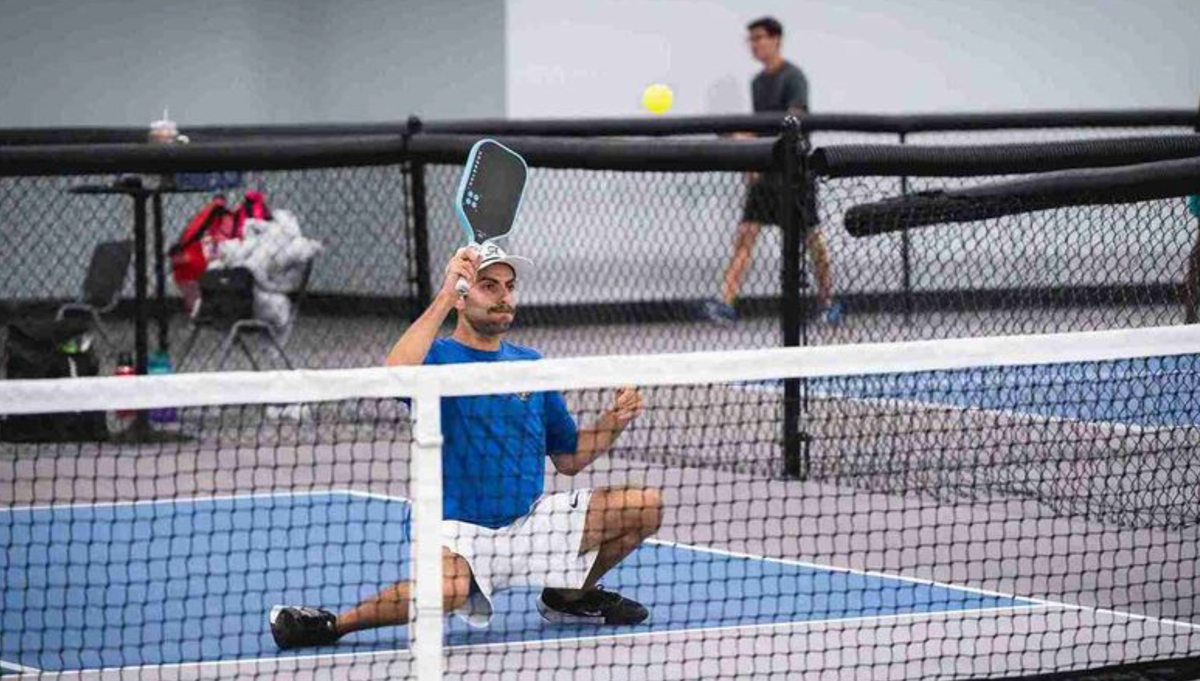
  2. Volleying while touching the NVZ line: If a player's foot or any part of their body is touching the kitchen line when they volley, it's a fault.
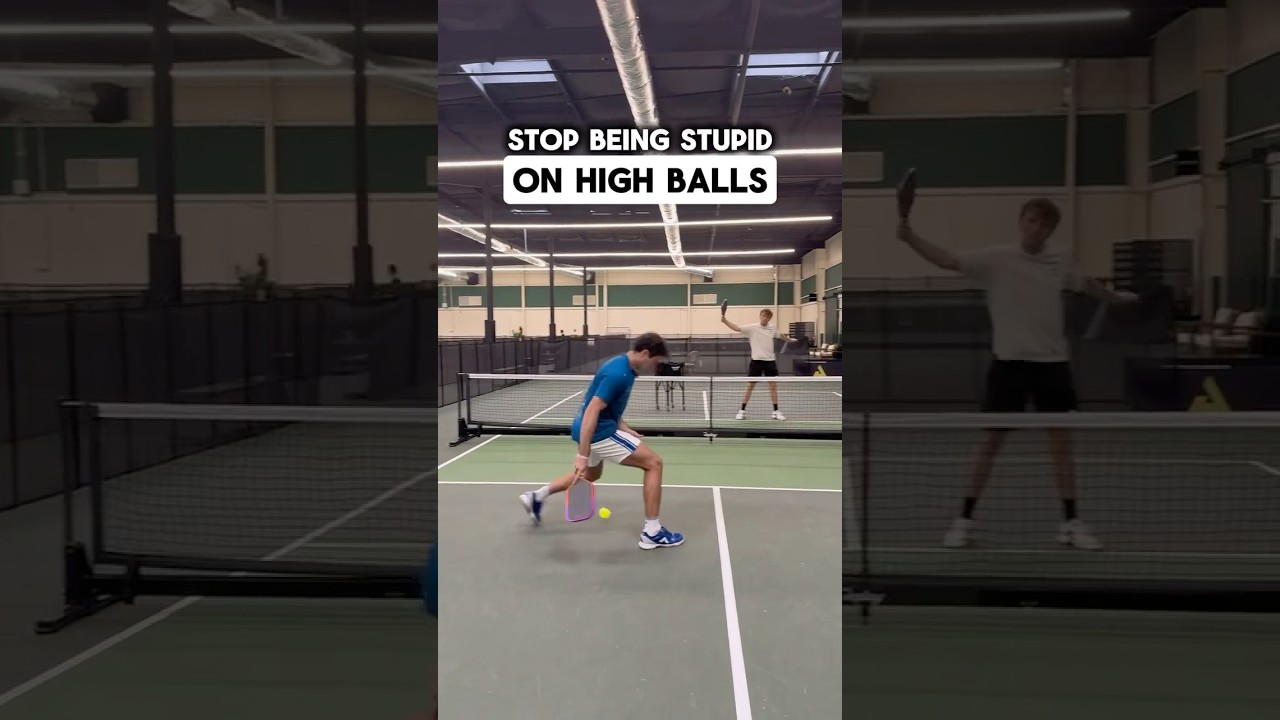
  3. The momentum rule: Players are not allowed to carry momentum from a volley into the NVZ, even if the shot was hit from outside the zone. This means that if a player volleys and then steps into the kitchen, it's a fault.
  4. Carrying a ball from a volley into the zone: If a player's follow-through takes the paddle head into the kitchen after contact, it's a fault.

Understanding these rules and strategies is crucial to playing effectively and avoiding faults. Players who master the kitchen will be able to control the game and win more points. It's not about avoiding the kitchen, but about using it to your advantage and manipulating your opponent's movements.

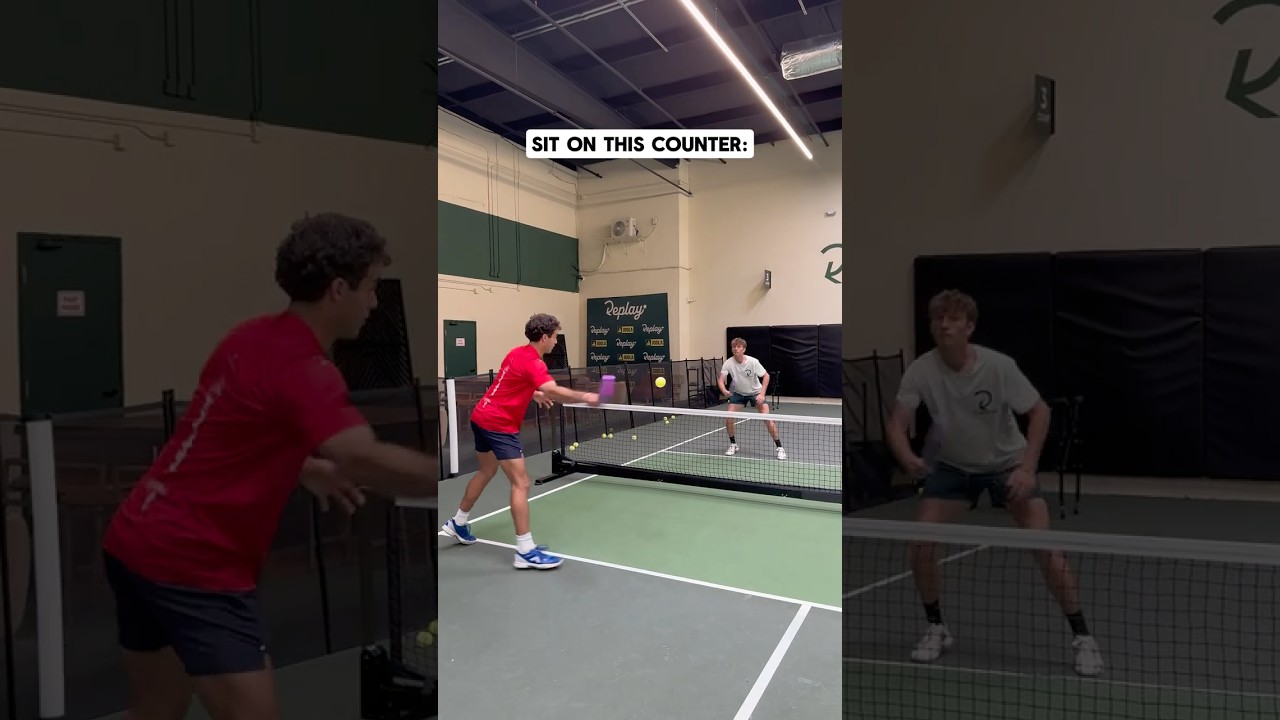
As JW Johnson's unusual dinking technique demonstrates, a well-placed dink into the kitchen can force your opponent to let the ball bounce and step in, completely changing the exchange. By internalizing the kitchen rule and practicing your footwork and momentum, you can take your game to the next level and become a more effective player.
AD
Custom Carbon Fiber Pickleball Paddle
From Branded Pickleball

Custom Carbon Fiber Pickleball Paddle

Your logo, your colors · Ships in 3.5 business days · As low as $38.99
Design Yours →
Source
The Dink https://www.thedinkpickleball.com/what-is-the-kitchen-in-pickleball-the-non-volley-zone-explained/

This article was originally published by The Dink. The summary above was generated for informational purposes. For the full story, visit the original source.

Frequently Asked Questions

What are the basic rules of pickleball?
Pickleball is played on a 20x44 foot court with a 34-inch net. Games are typically played to 11 points, win by 2, with points scored only on serve. Key rules include the two-bounce rule (ball must bounce once on each side before volleys are allowed) and the non-volley zone (kitchen) — a 7-foot area at the net where volleys are prohibited.
What is rally scoring in pickleball?
Rally scoring awards a point on every rally regardless of which team served, unlike traditional side-out scoring where only the serving team can score. Major League Pickleball has adopted rally scoring to create more predictable match lengths for TV broadcasts, though most recreational and tournament play still uses side-out scoring.
Why are some pickleball paddles banned?
USA Pickleball decertifies paddles that exceed surface roughness (grit) standards, which affect spin generation, or that fail other specifications for core thickness and deflection. Excessive surface texture can create an unfair spin advantage. Players using banned paddles in sanctioned events face disqualification.

Related Rules & Regulations News

More stories you might be interested in

Need Custom Pickleball Paddles?

Branded Pickleball offers premium custom paddles for teams, clubs, corporate events, and tournaments.

Shop Custom Paddles