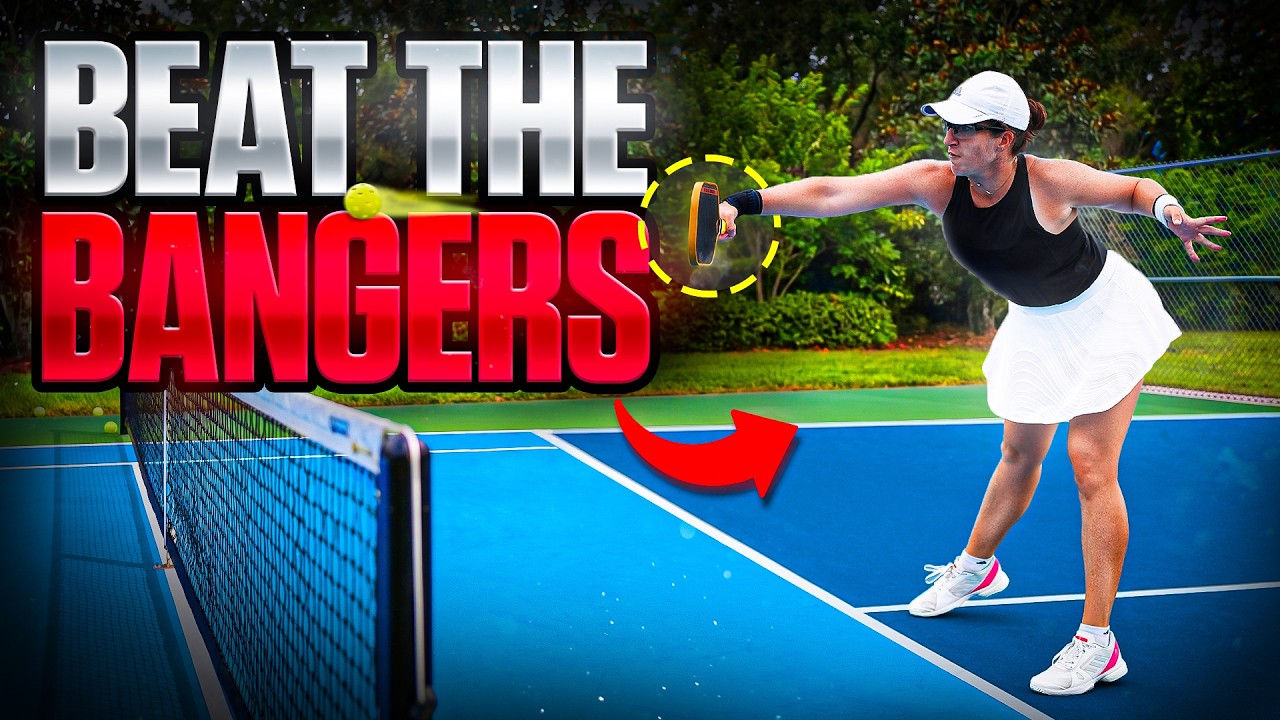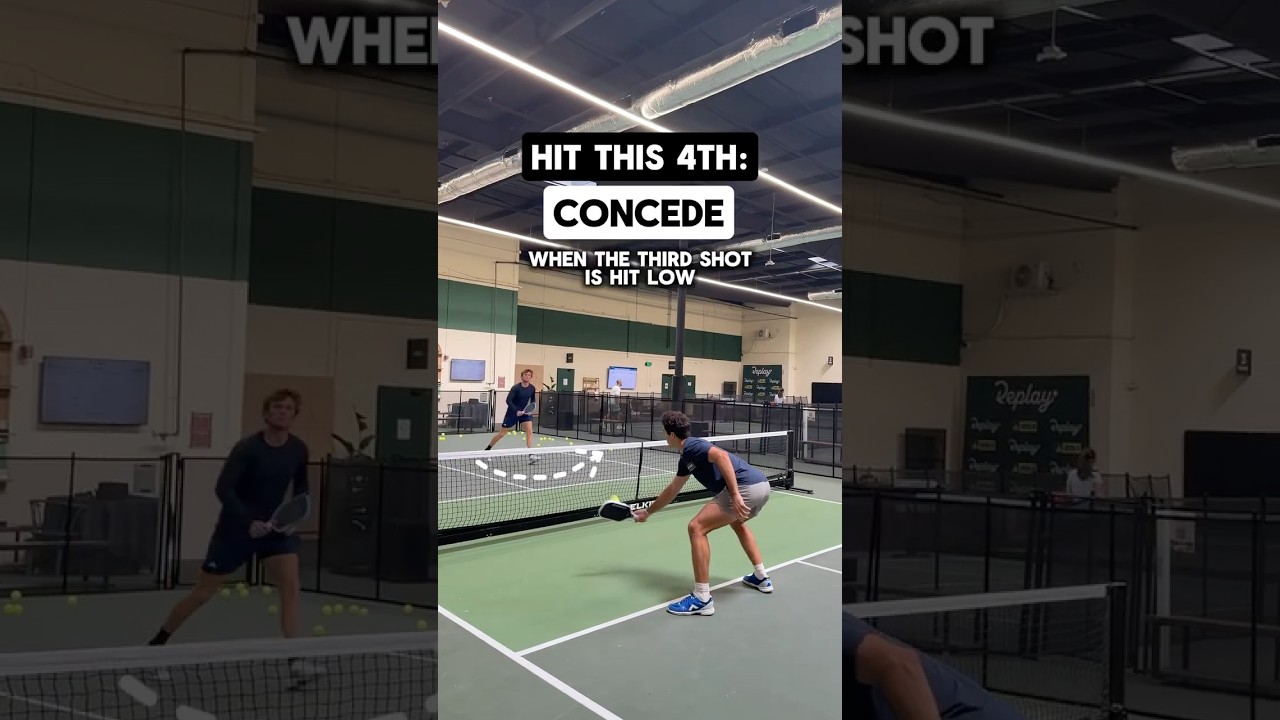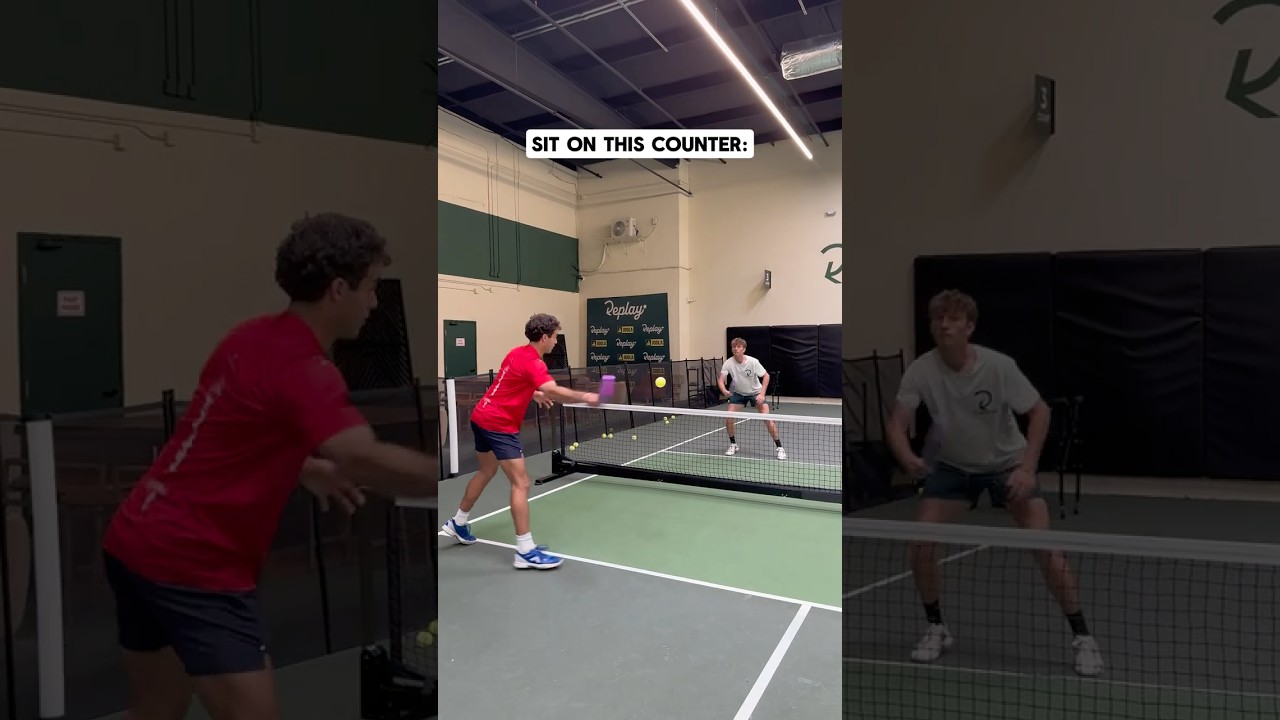
The pickleball shot selection rule that can change everything is surprisingly simple: when the ball is low, slide your forehand to it, and when the ball is high, sit into your backhand. This straightforward approach, inspired by Richard Pickleball on YouTube, can help players make better decisions at the kitchen line and improve their overall game.
At the heart of this rule is the understanding that ball height dictates the type of shot that is physically available to a player. When a ball drops low, especially below the tape, players are in a defensive position and need to lift the ball back over the net without giving their opponent an easy attack. In this scenario, sliding into a forehand shot provides a wider range of motion, more natural wrist extension, and a better paddle angle to handle the low contact point. On the other hand, when a ball sits up high, sitting into a backhand shot allows players to get their elbow in front of their body and drive through the ball with control, keeping opponents pinned and not requiring the same reach that a forehand would at that height.
Understanding the Rule
To apply this rule effectively, players need to understand what "slide forehand" and "sit backhand" actually mean. Sliding into a forehand shot means physically moving the body laterally to get behind a low ball with the forehand side, rather than reaching across the body with the backhand. This requires proper footwork and knee bend to set up the forehand contact point cleanly. Sitting into a backhand shot, on the other hand, means loading weight slightly into the back leg and setting up the backhand as the primary weapon on high contact points. This is a deliberate shot selection choice that prepares the player to handle the high ball effectively.
The two scenarios that this rule addresses can be broken down into specific actions:
- Low ball arriving to the forehand side or middle: Slide laterally so the forehand is behind the ball, using an open paddle face, soft hands, and lifting the ball with a controlled forehand dink or reset. Avoid reaching backhand across the body.
- High ball arriving to the backhand side or middle: Sit into the backhand, get the elbow forward, and drive through the ball with a compact backhand volley or counter. Avoid trying to run around the ball.
By drilling these two scenarios and committing the rule to memory, players can develop automatic decision-making and improve their pickleball shot selection. This, in turn, can help them win more rallies, tournaments, and rating points.