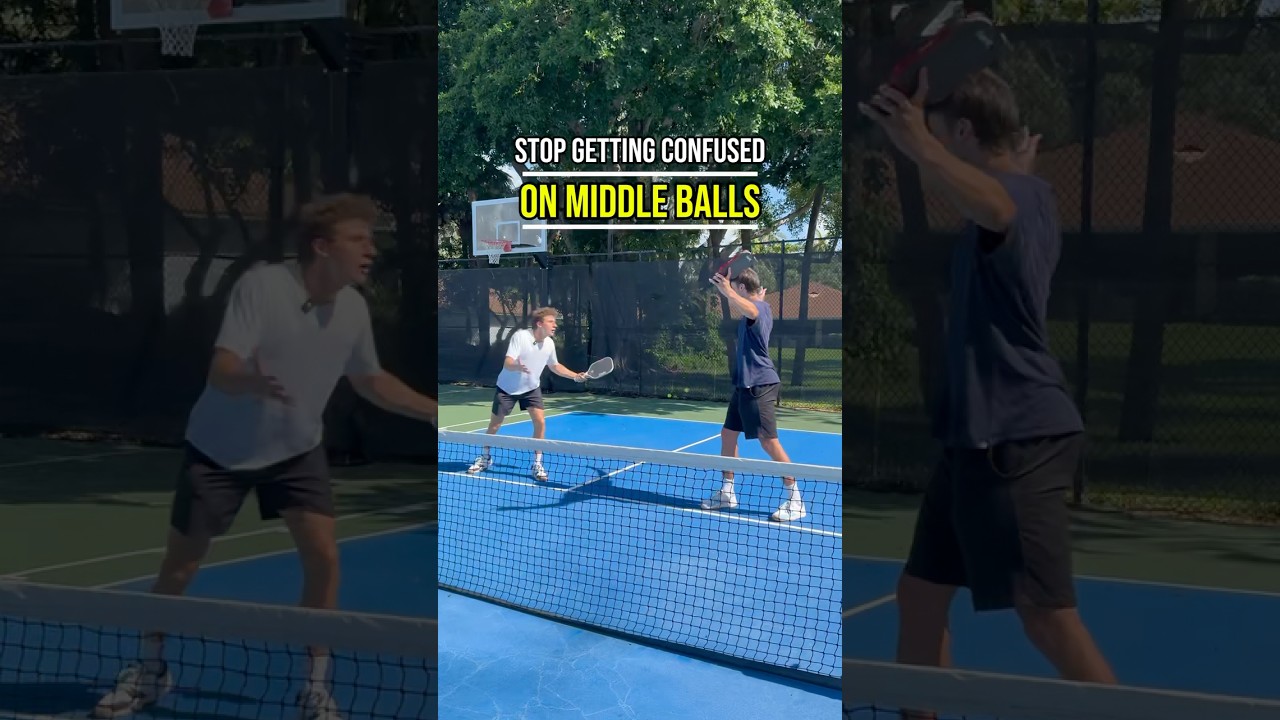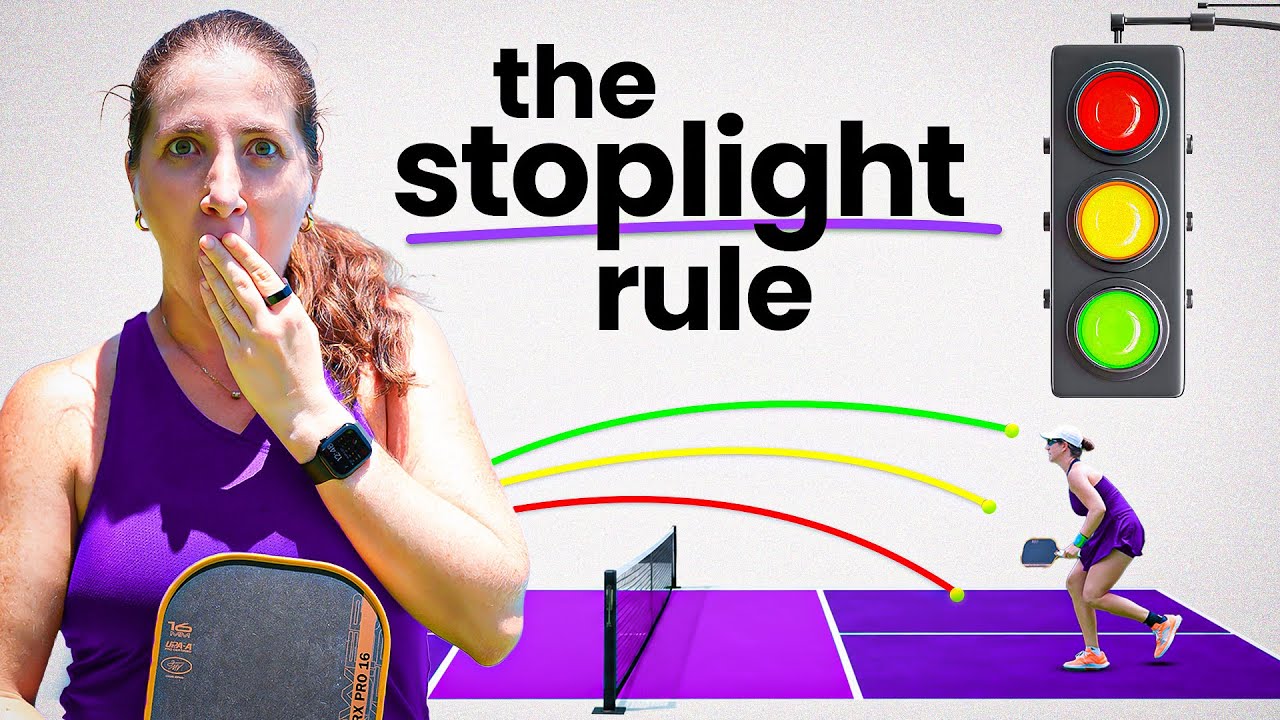
Many recreational pickleball players struggle not because of poor technique, but because they choose the wrong shot for the specific height of the incoming ball. By adopting a simple three-part decision-making framework based on ball height, players can move from reactive, panicked play to consistent, strategic shot selection.
The Three Ball Height Rules
According to the framework, the height of the ball at the moment of contact should dictate your response. Mastering these three rules helps you determine whether to play defensively, transition to offense, or go for the put-away.
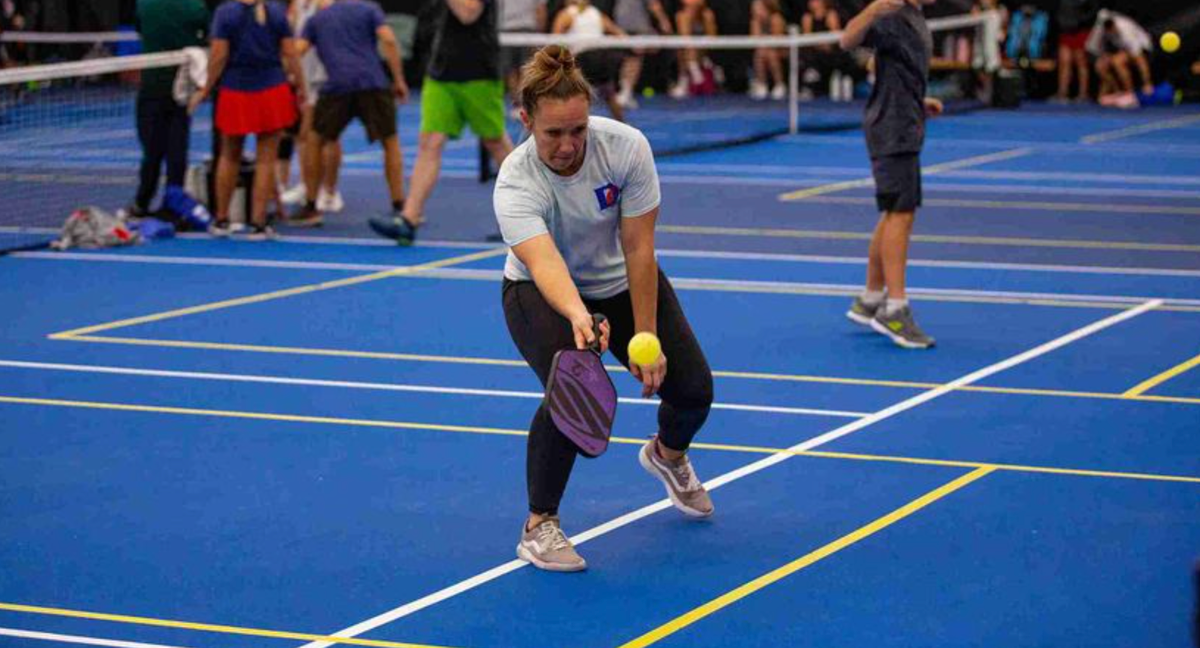
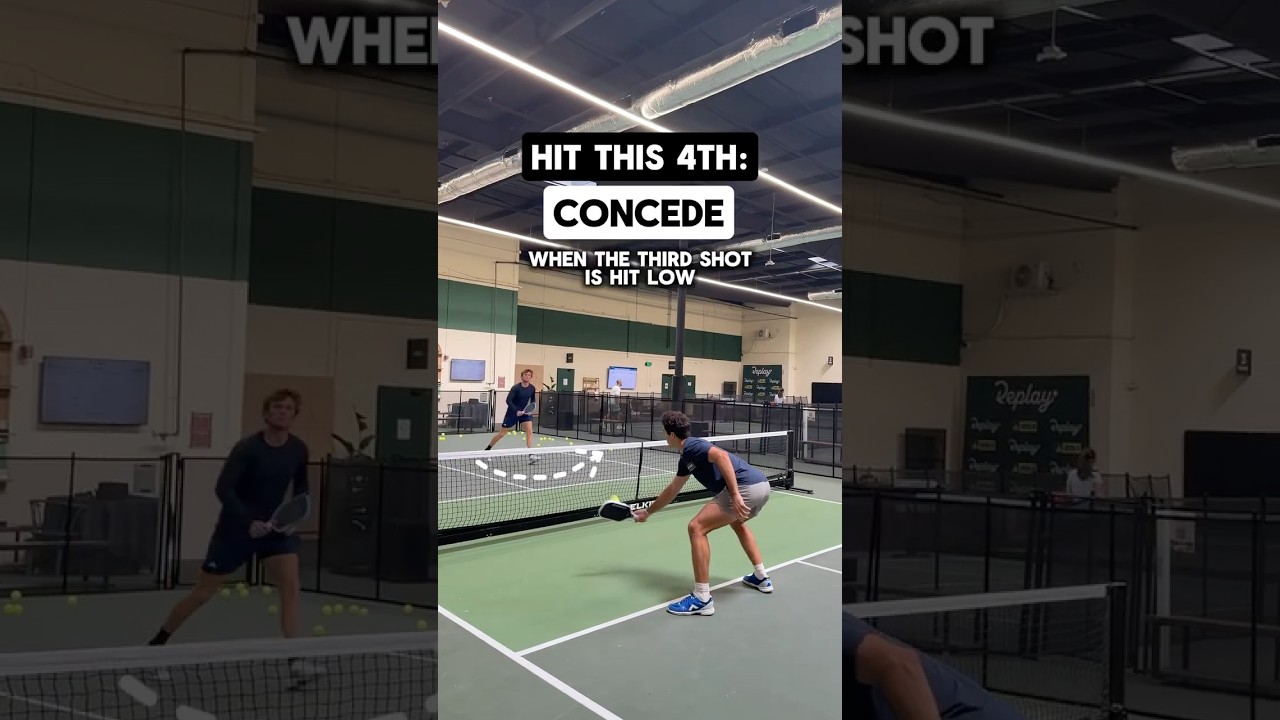
- When the ball is low (below the net): You must concede the net. Because the ball is at or below ankle level, any attempt to attack will likely result in a pop-up that your opponent can easily punish. Instead, use soft hands, keep your paddle face open, and absorb the pace to reset the ball into the kitchen. Your goal here is survival and neutrality, not winning the point immediately.
- When the ball is at net height: This is your opportunity to roll the ball. At tape level, you have enough leverage to generate topspin without needing to lift the ball upward. Use a compact backswing, brush up and through the ball, and aim crosscourt. This controlled, aggressive shot forces the ball to dive toward your opponent's feet, putting them on the defensive without the risks associated with a full-speed attack.
- When the ball is high (above the net): This is the time to attack. While the provided text focuses on the low and net-height scenarios, the framework implies that when a ball floats high enough to clear the net comfortably, you have the clearance and geometry required to hit a more aggressive, offensive shot.
The core of this strategy is discipline. Many players make the mistake of trying to attack every ball that is above ankle height, which leads to high unforced error rates. By internalizing these rules, you stop guessing and start making decisions based on the geometry of the court. As noted by elite players like Ben Johns, patience is key; waiting for the right ball height allows you to maintain control of the kitchen line and wait for a genuine opportunity to shift the momentum of the rally in your favor.