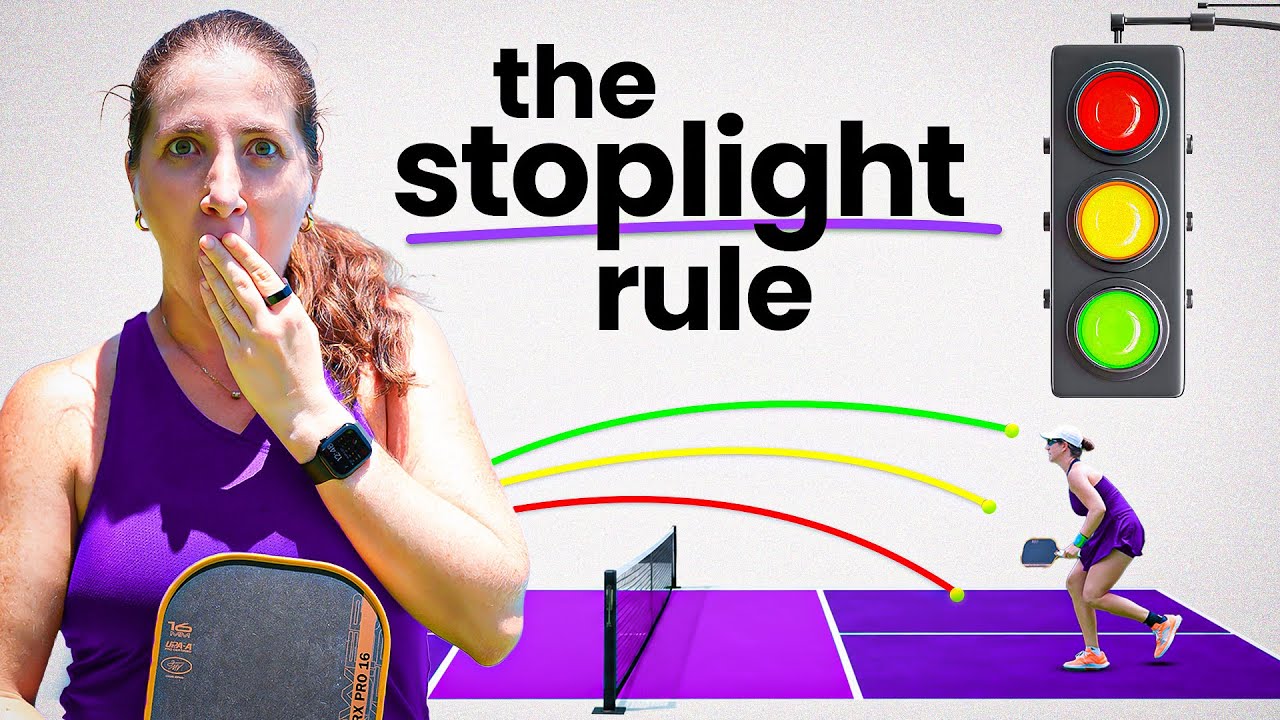
Many recreational pickleball players struggle with shot selection because they attempt to attack balls that are simply too low to be effective. By adopting the Stoplight Rule—a framework popularized by Mari Humberg Pickleball—you can remove the guesswork from your game by categorizing every incoming ball into one of three vertical zones based on contact height.
The Three Zones of the Stoplight Rule
The Stoplight Rule is not about how much power you have, but rather about the physics of your contact point relative to your body. Here is how to manage your shot selection based on where you make contact:
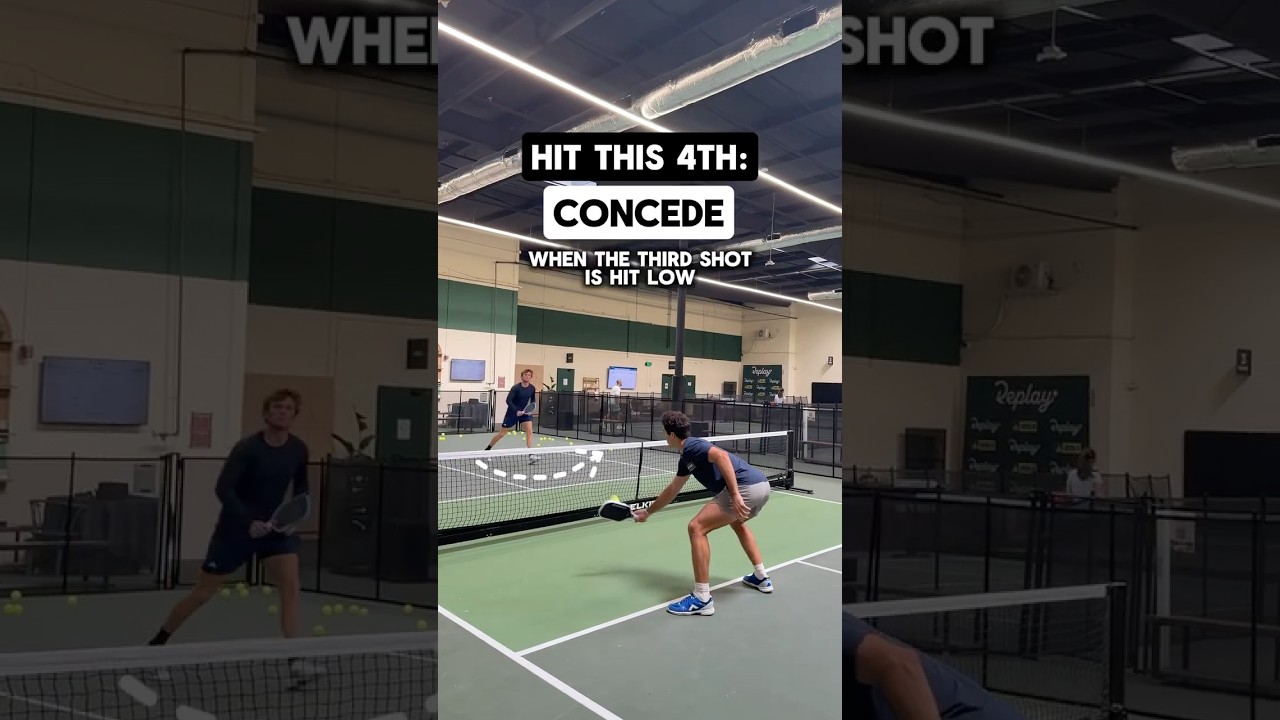
- Red Zone (Below the Knees): This is a stop signal. When you contact the ball below your knees, you are in a high-risk, low-reward situation. Because the ball is below the level of the net, you are forced to lift the ball aggressively, which often results in shots that hit the net or float high, handing your opponent an easy put-away. Even if you see pros occasionally attack from this low, it is statistically a poor decision for most players.
- Yellow Zone (Between Knees and Hips): This is a caution signal that requires a quick mental checklist. Before attacking a ball in this range, you must answer three questions: Am I well balanced? (If you are reaching or moving, reset instead); Am I well positioned? (If you are jammed or out of your hitting zone, do not attack); and Are my opponents out of position? (If they are both set and ready, it is better to play it safe). If you fail any of these criteria, treat the ball as a Red Zone shot.
- Green Zone (Above the Hips): This is a go signal. When the ball is at or above your hip, the geometry is in your favor, and you should be attacking every time. You have the ability to drive the ball down, use sharp angles, or target your opponent’s body. Failing to attack in the Green Zone is considered a missed opportunity to take control of the point.
To master this, you can use a simple catch drill to train your brain. Have a partner feed you balls at various heights and focus on catching the ball at the highest point possible. By noting where your hand is when you catch the ball—below your knees, between your knees and hips, or at/above your hips—you will develop an automatic sense of which zone you are in during a live rally. Internalizing these zones allows you to stop guessing and start making high-percentage decisions that keep you in control of the point.