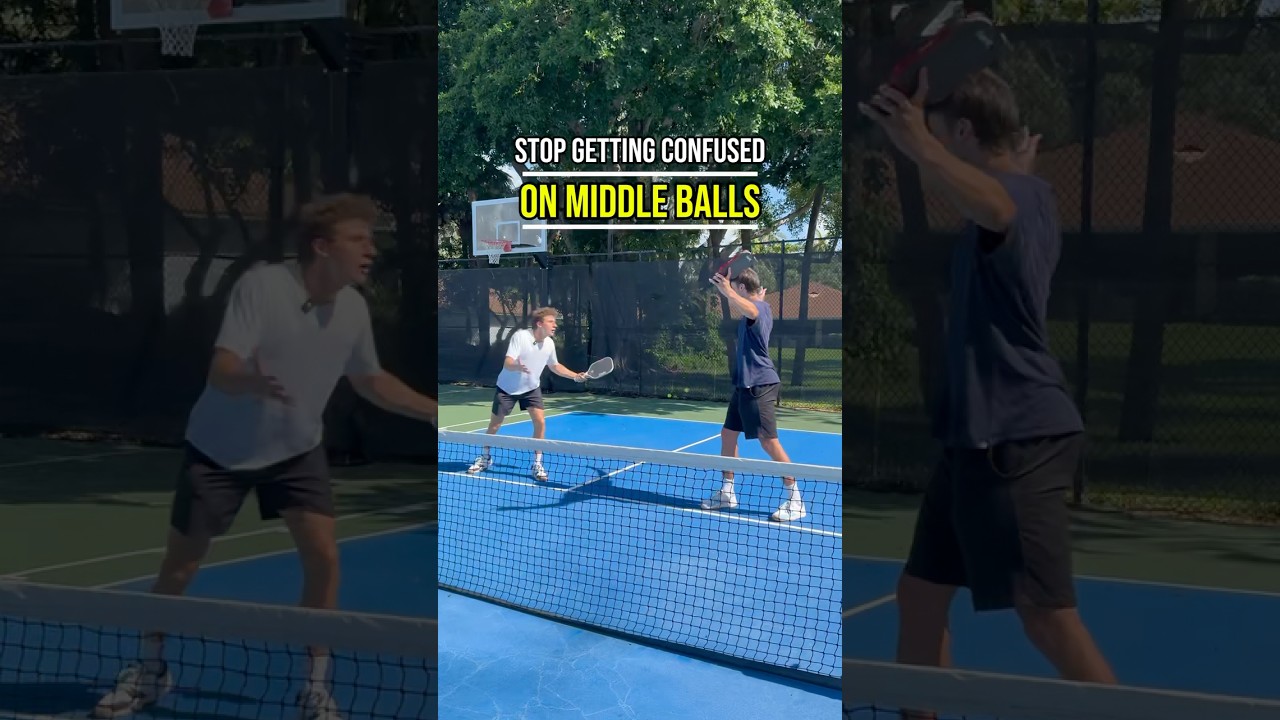
Hesitation on middle-court shots is a common source of lost points in doubles pickleball, often caused by an over-reliance on the "forehand rule." By understanding how ball speed dictates court coverage, you can eliminate confusion and stop letting balls drop between you and your partner.
The Two-Rule System for Middle-Court Coverage
According to insights from tanner.pickleball, the key to mastering middle-court shots is identifying whether you are in a slow-paced rally or a high-speed kitchen exchange. By applying the following two rules, you can remove the hesitation that leads to unforced errors:
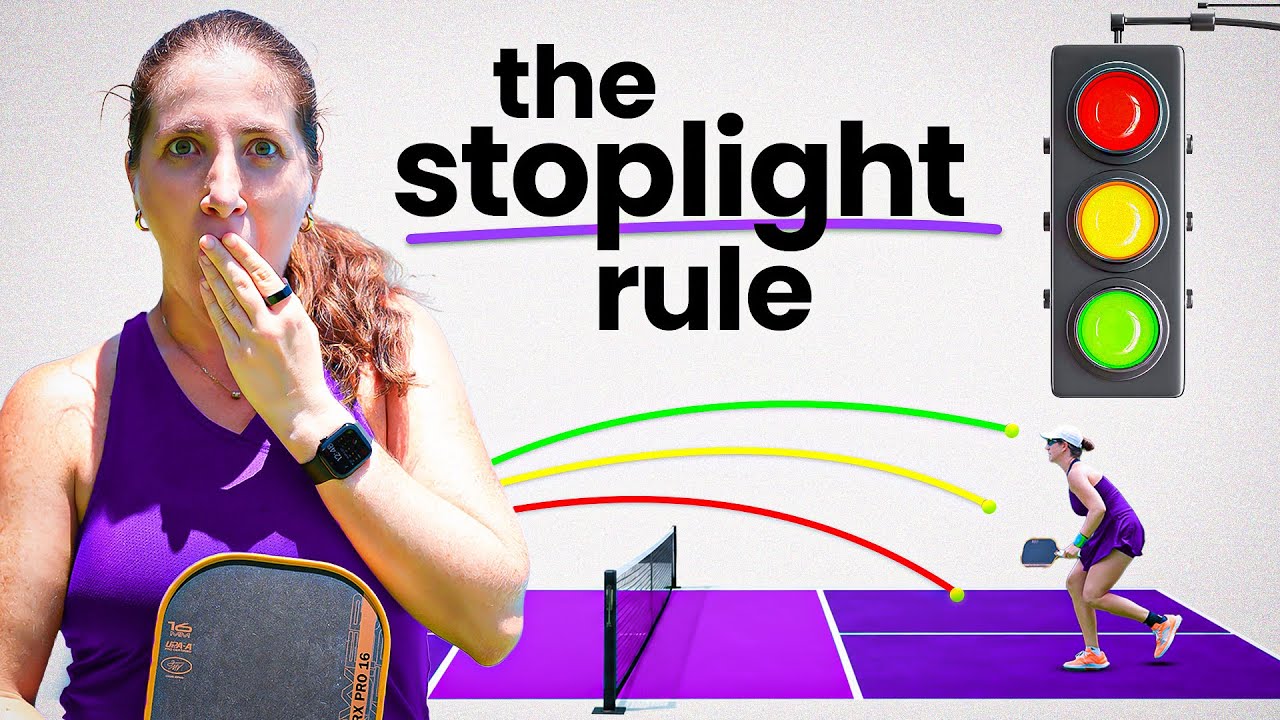
- The Forehand Rule (Slow Balls): When the ball is traveling slowly—such as during a third-shot drop or a standard dink exchange—the player with the forehand in the middle should take the shot. Because you have more time to react, you should utilize the superior paddle control, natural swing path, and better angles provided by your forehand.
- The Diagonal Rule (Fast Balls): When you are at the non-volley zone and facing a speed-up, the diagonal player owns the middle ball. Because attackers typically target the player directly across from them to maximize their angle, the ball will naturally gravitate toward the diagonal opponent. You must anticipate this path rather than waiting for your partner to react; at the kitchen line, there is no time to negotiate or set your feet.
The core of this strategy is geometry. When an opponent attacks from the left side, their most aggressive and natural line is cross-court, putting the ball directly into the path of the player standing diagonally across from them. Attempting to redirect a speed-up straight ahead is mechanically difficult and usually results in a weaker return, which is why professional players almost exclusively target the diagonal.
By internalizing these two scenarios, you shift your mindset from reactive to proactive. Instead of watching the ball and wondering who will move first, you can instantly recognize your assignment based on the speed of the incoming shot. This system allows you to play faster and more confidently, as both you and your partner will know exactly who is responsible for the middle before the ball even crosses the net.