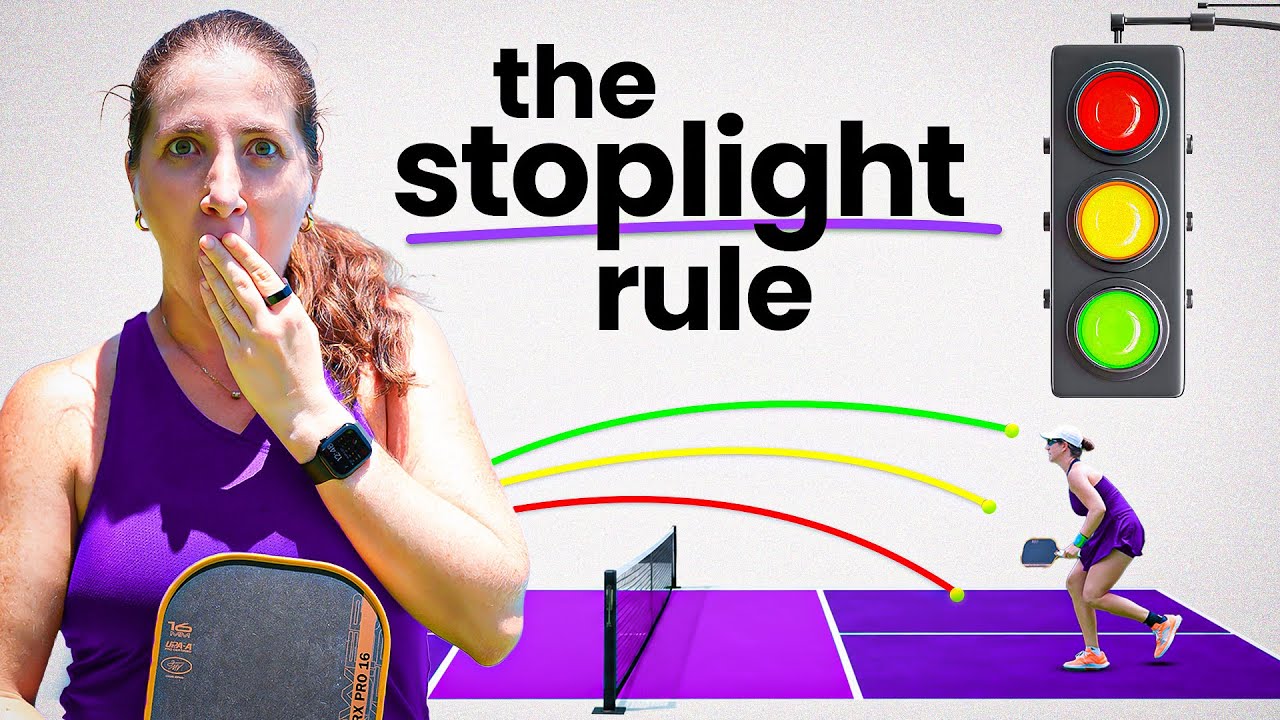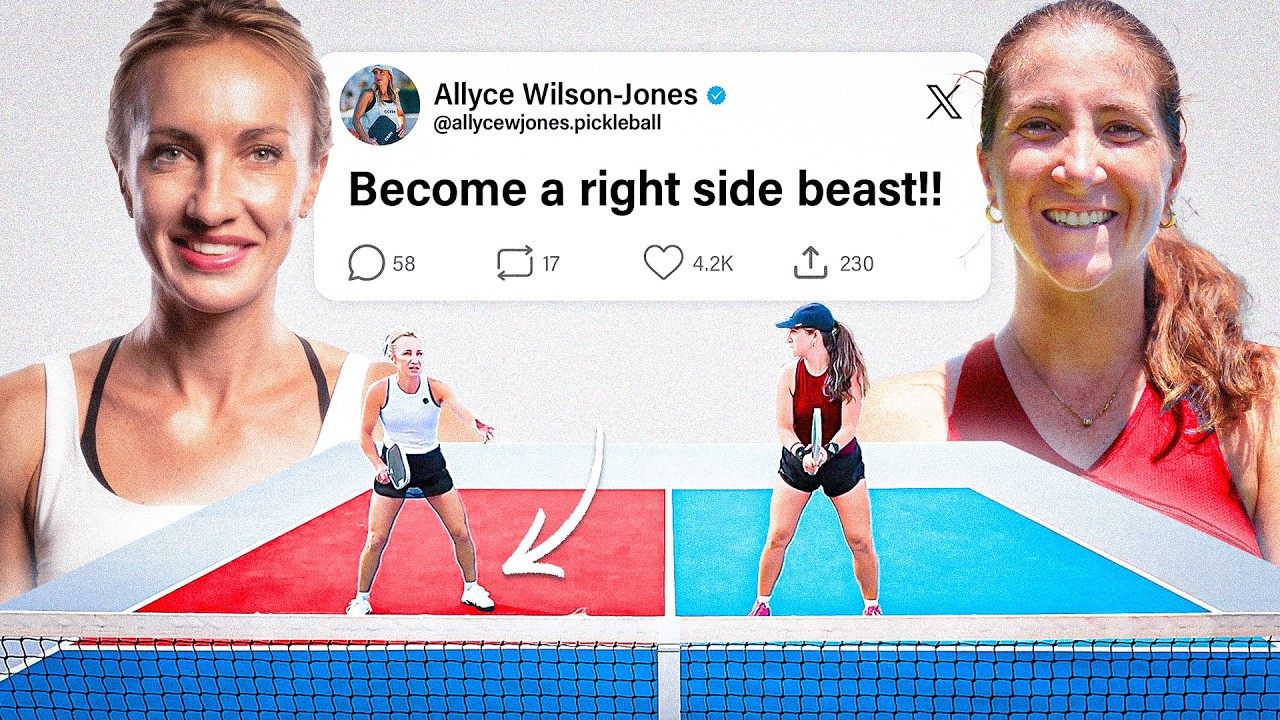
Many pickleball players mistakenly view the right side as a passive, defensive position, but pro specialist Allyce Jones argues that this mindset limits your offensive potential. By evolving your positioning and strategy, you can transform the right side into an active role that dictates the flow of the point.
Mastering Right Side Strategy
Choosing which side of the court to play should be based on your specific physical strengths rather than outdated conventions. Allyce Jones suggests using the following criteria to determine if you belong on the right:
- Cross-court forehand dink: If this is your primary weapon, the right side is likely your natural home.
- Backhand proficiency: If you possess a strong backhand dink and drive, you are better suited for the left side.
- Balanced skill set: If you have both strong forehands and backhands, test both sides to see where you generate the most scoring opportunities.
- Court coverage and height: If you are a shorter player, the right side may be advantageous. Managing the wide balls and middle coverage on the left side requires significant reach; being on the right allows you to play to your strengths if you struggle to cover the full court from the left.
Once you have established your position, you must abandon the myth that you must remain glued to the kitchen line. Allyce highlights these four positioning priorities for high-level play:
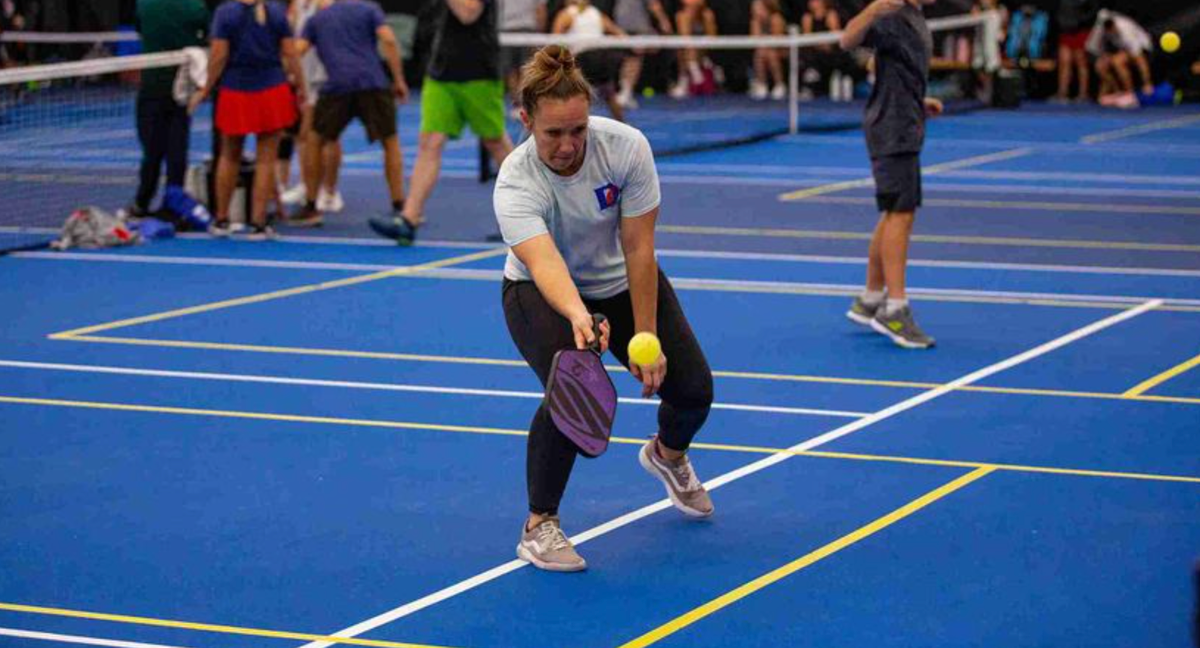
- Take balls in front: Aim to take balls out of the air whenever possible. Prefer a cross-body speed-up through the middle, as down-the-line shots are often easily countered by players with two-handed backhands.
- Shuffle for your forehand: Actively move laterally to ensure you are hitting forehands instead of backhands.
- Step back when off-ball: When your partner is dinking cross-court, take one step off the kitchen line. This adjustment provides better reaction time to counter any elevated balls.
- Reset after every exchange: Do not remain frozen in one spot. Constantly adjust your position based on the ball's trajectory and which player is currently in control.
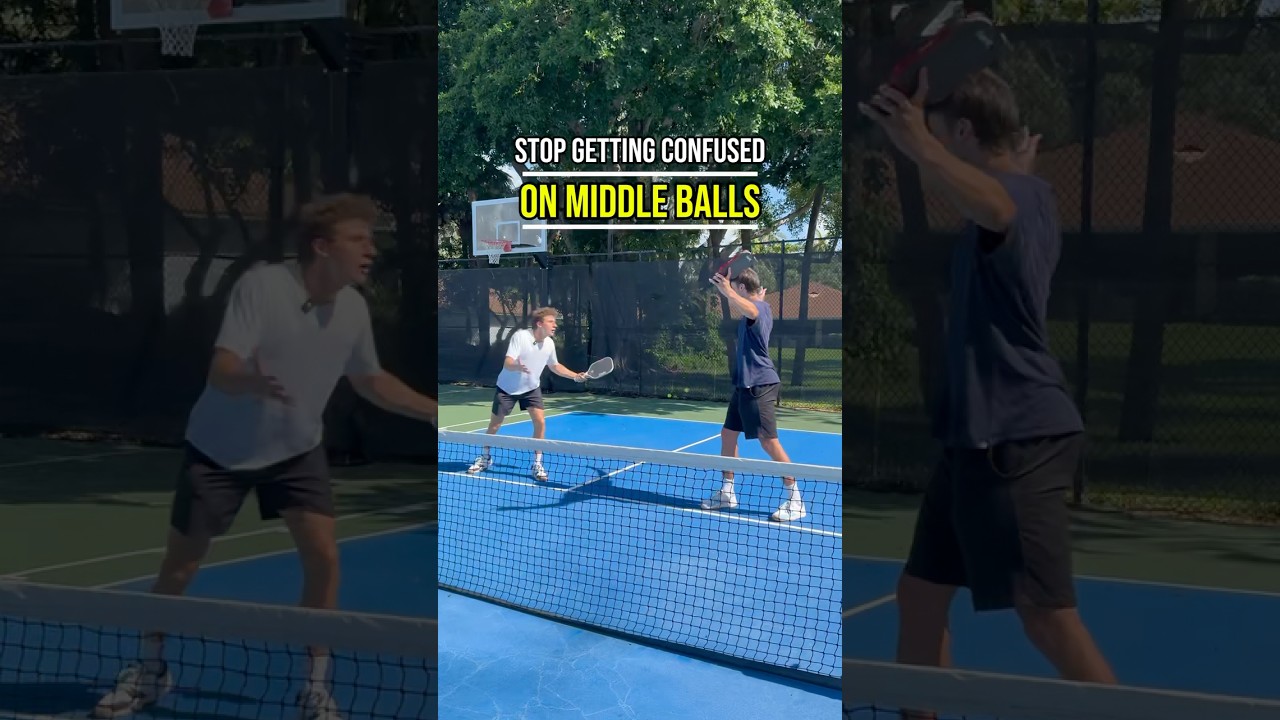
Finally, managing the middle of the court requires a system based on patterns rather than just "forehand takes all." The player who initiates the pattern—the one who forced the opponent into a difficult position—should generally take the middle ball. If your partner has set up a shot, resist the urge to poach it just to be involved; let them finish the play they created. Always communicate these responsibilities with your partner before starting a match to avoid confusion.