The primary difference between a 3.5 and a 4.0 pickleball player is not found in superior athleticism or more advanced shot-making, but in the disciplined habit of patience. While 3.5 players often force attacks on unrewarding balls, 4.0 players prioritize shot tolerance and strategic decision-making to wait for the right opportunity to strike.
The Three Common Habits That Stifle Progress
According to The Dink Media Team, many players plateau at the 3.5 level because they fall into three specific, predictable traps. Recognizing these patterns is the first step toward reaching the 4.0 threshold:
- Speeding up off a low dink: This is the most frequent error for 3.5 players. Because the rally has lasted longer than they are comfortable with, they force an attack on a ball that is already low, prioritizing their own comfort over the quality of the shot.
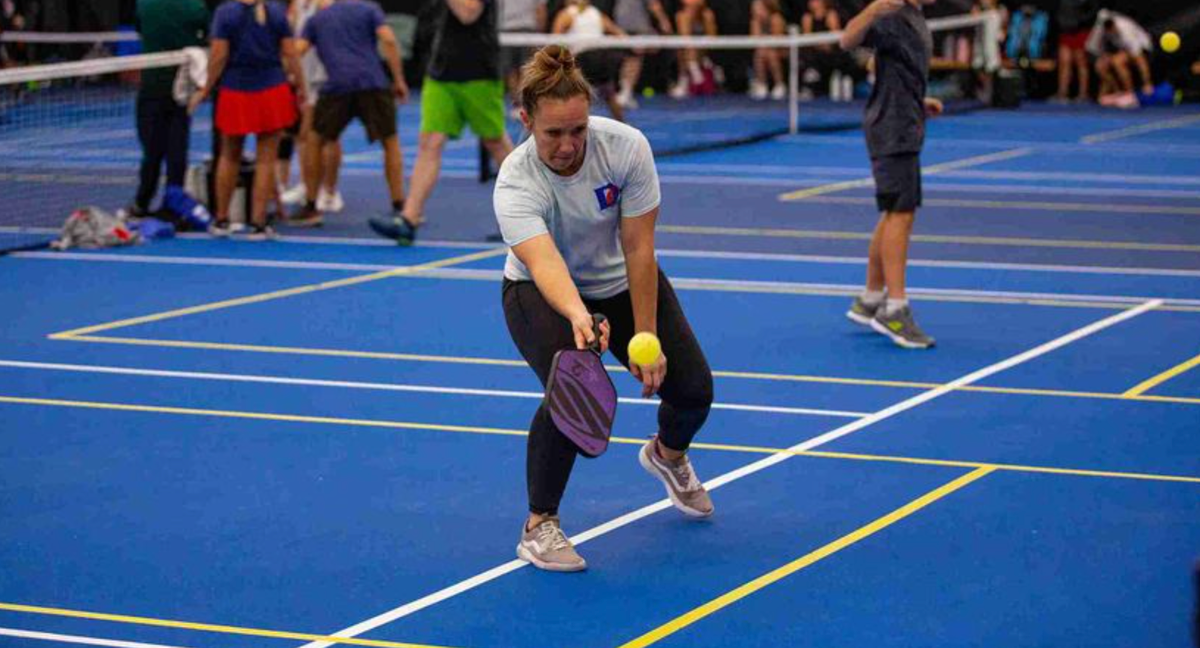
- Collapsing resets while moving: While many players can execute a clean reset during a static drill, their technique falls apart during live points when they are stretched wide or backpedaling through the transition zone. This leads to floating balls that are easy for opponents to punish.
- Lazy targeting: 3.5 players often hit shots to the same predictable locations, such as deep middle returns. A 4.0 player, by contrast, hits every ball with specific intent, aiming for an opponent's feet, targeting the weaker player, or hitting behind a player who is leaning.
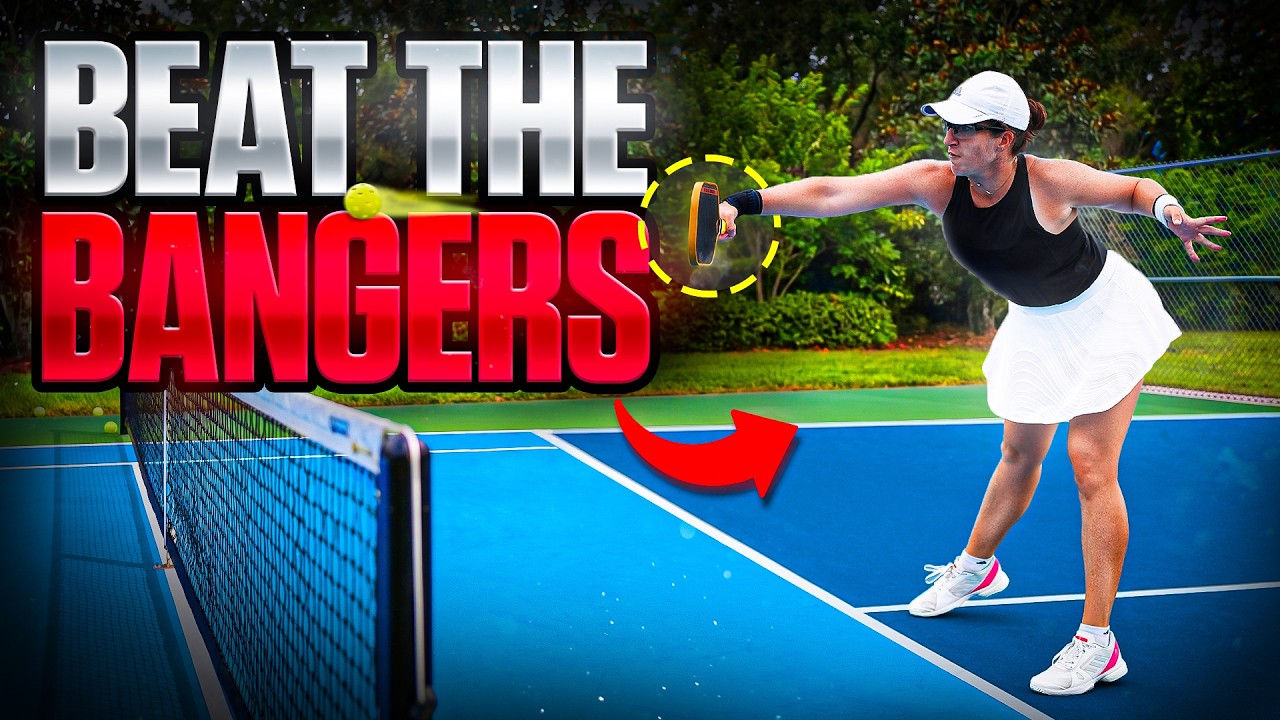
To overcome these hurdles, players must shift their mindset from asking, "Can I hit this?" to "Should I hit this?" A 4.0 player relies on a simple two-part checklist before attacking: the ball must be clearly above the net, and the player must be balanced and set. If the ball is below the tape or the player is lunging, the correct choice is always to reset.
The key to building this level of discipline is shot tolerance—the ability to remain in a neutral rally without forcing offense. While a 3.5 player typically has a tolerance of about three balls before feeling the urge to "do something," a 4.0 player can sustain soft, patient dinking for eight to ten shots.
To develop this, you must drill the decision-making process rather than the stroke itself. A recommended exercise is to play a cooperative dink game where neither side is permitted to attack until a ball is hit above the tape. By penalizing early speed-ups, you train your brain to wait for the appropriate trigger, effectively turning the "boring" habit of patience into a winning strategy.