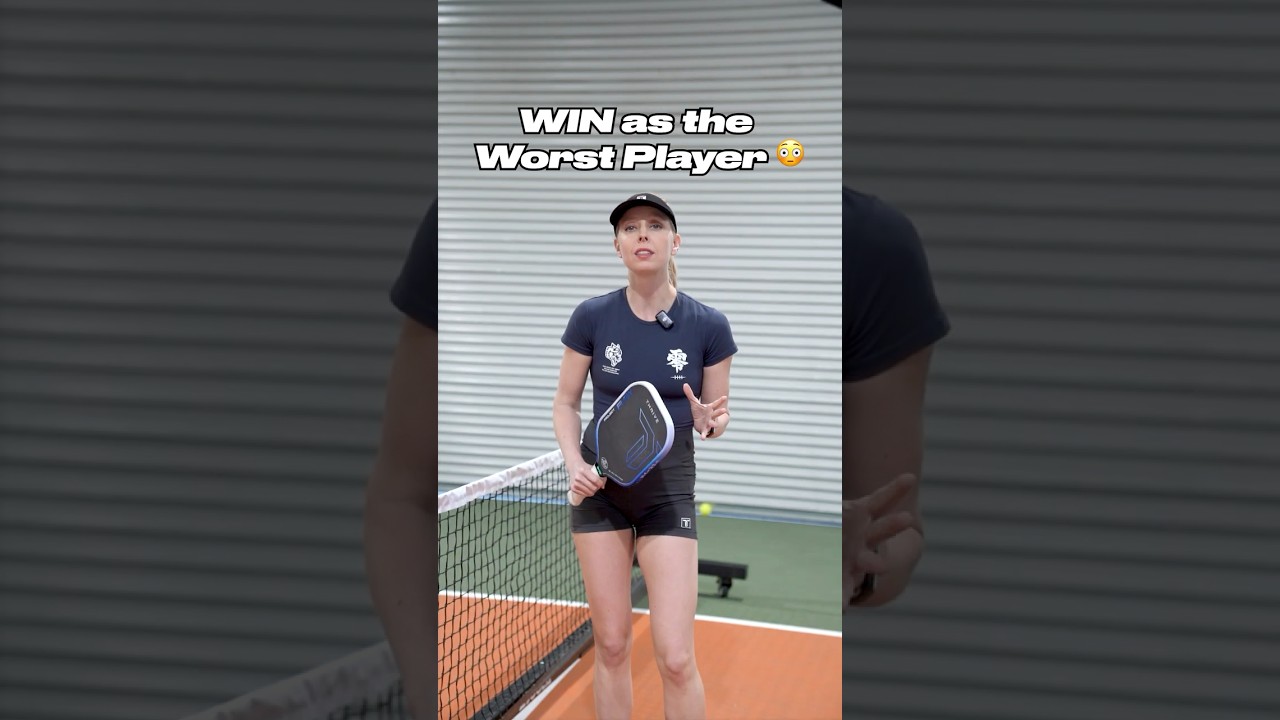
Pickleball players who find themselves as the weaker partner on the court often feel at a disadvantage, but with the right strategy, they can turn the tables and win more games. According to Cori Elliott, a pickleball expert on YouTube, there are four key rules that can help the weaker player gain control and come out on top.
The foundation of this approach is a mindset shift: instead of focusing on winning rallies, the goal is to control them. This means keeping the ball in play and making opponents uncomfortable, rather than trying to hit winners. By managing the ball's placement and pace, the weaker player can become a more formidable opponent.
Four Rules for the Weaker Player
The four rules outlined by Cori Elliott are designed to help the weaker player compete and win against stronger opponents. These rules are:
- Never Speed Up First: The weaker player should not initiate a speed-up, as this can play into the stronger player's hands. Instead, let the stronger player start the chaos, and then block and reset the ball to neutralize their attack.
- Aim at the Weaker Opponent 80% of the Time: Identify the weaker player on the opposing team and target them with 80% of your shots. This is a basic doubles strategy that can help to exploit the opponent's weaknesses and create errors.
- Play High Percentage Targets Every Time: Focus on hitting high percentage shots that have a high likelihood of success, rather than trying to hit flashy winners. Three key targets to aim for are: deep middle, backhand feet, and neutral dinks. These shots can create hesitation and errors in the opponents, and help to reset the rally.
- (The fourth rule is not explicitly stated in the provided text, but the first three rules provide a solid foundation for the weaker player to improve their game and compete against stronger opponents.)
By following these rules and adopting a more strategic approach to the game, the weaker player can gain an edge and win more matches. It's not about relying on raw talent, but about outsmarting the opponents and using discipline and control to outmaneuver them.
As Cori Elliott's approach emphasizes, the key to success is to focus on controlling the rally, rather than trying to win it outright. By keeping the ball in play and making opponents uncomfortable, the weaker player can create opportunities for errors and capitalize on them to win the point. With practice and patience, any player can develop the skills and strategy needed to compete and win, regardless of their level of talent.