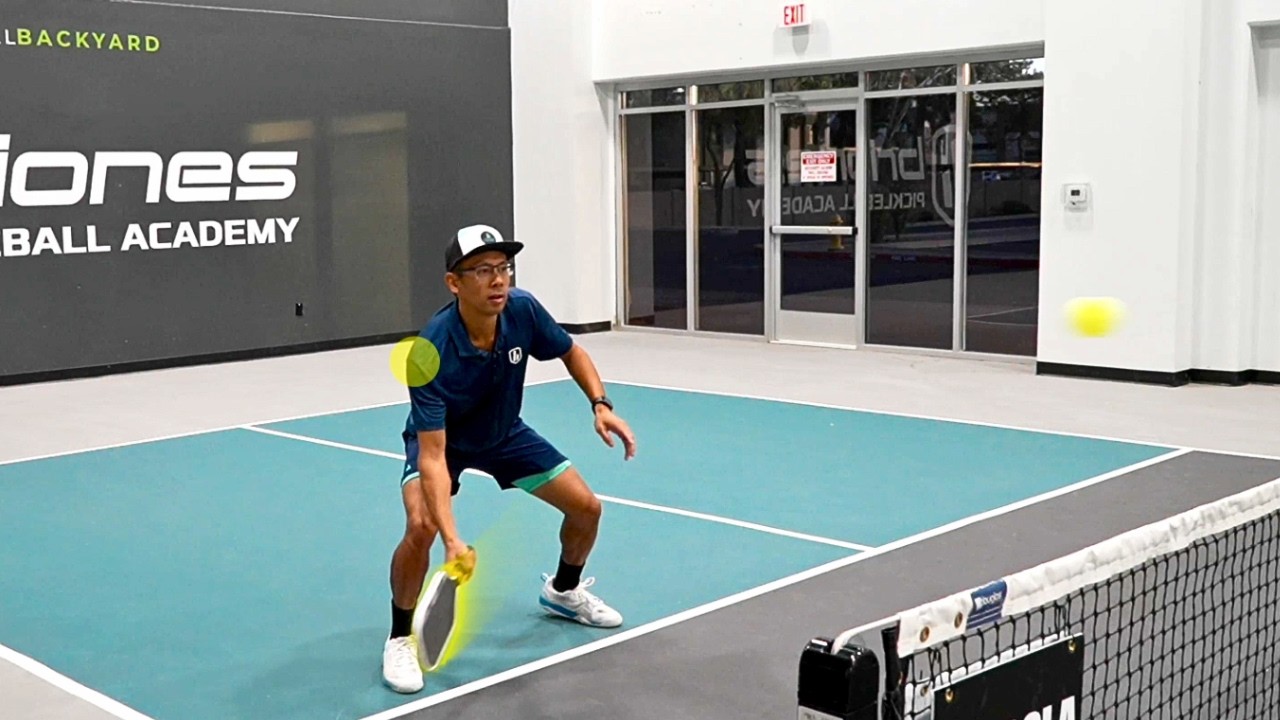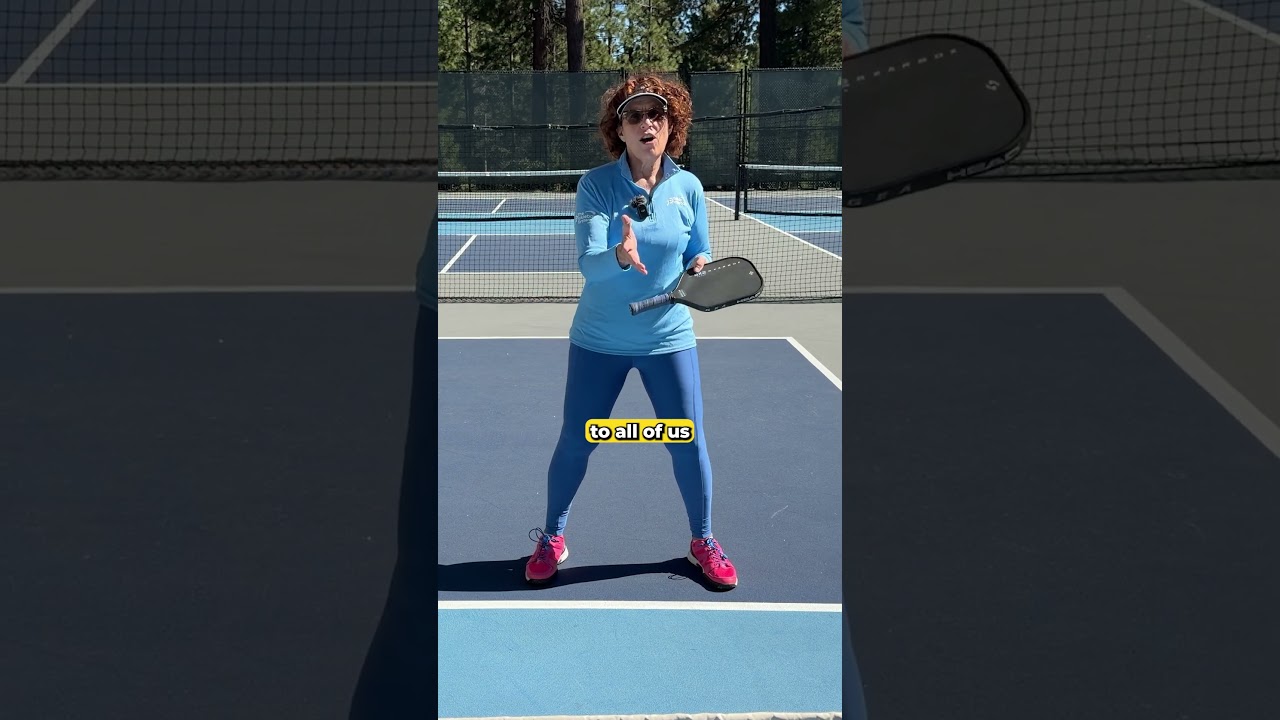
The most common way players sabotage their own performance is by overcorrecting after a single misread of a baseline ball. According to insights from Better Pickleball, the key to stopping the cycle of unforced errors is shifting your mindset to prioritize long-term statistical success over the temporary sting of a single point lost.
Building the Habit of Letting Balls Go
Many players fall into a trap where they let one ball land in, feel embarrassed, and then begin swinging at every ball near the baseline to avoid being "wrong" again. This reaction is a mental error that leads to compounding mistakes. To build the discipline required to let balls go effectively, you must treat this as a trainable skill rather than just a split-second reaction. Follow these five steps to master the process:
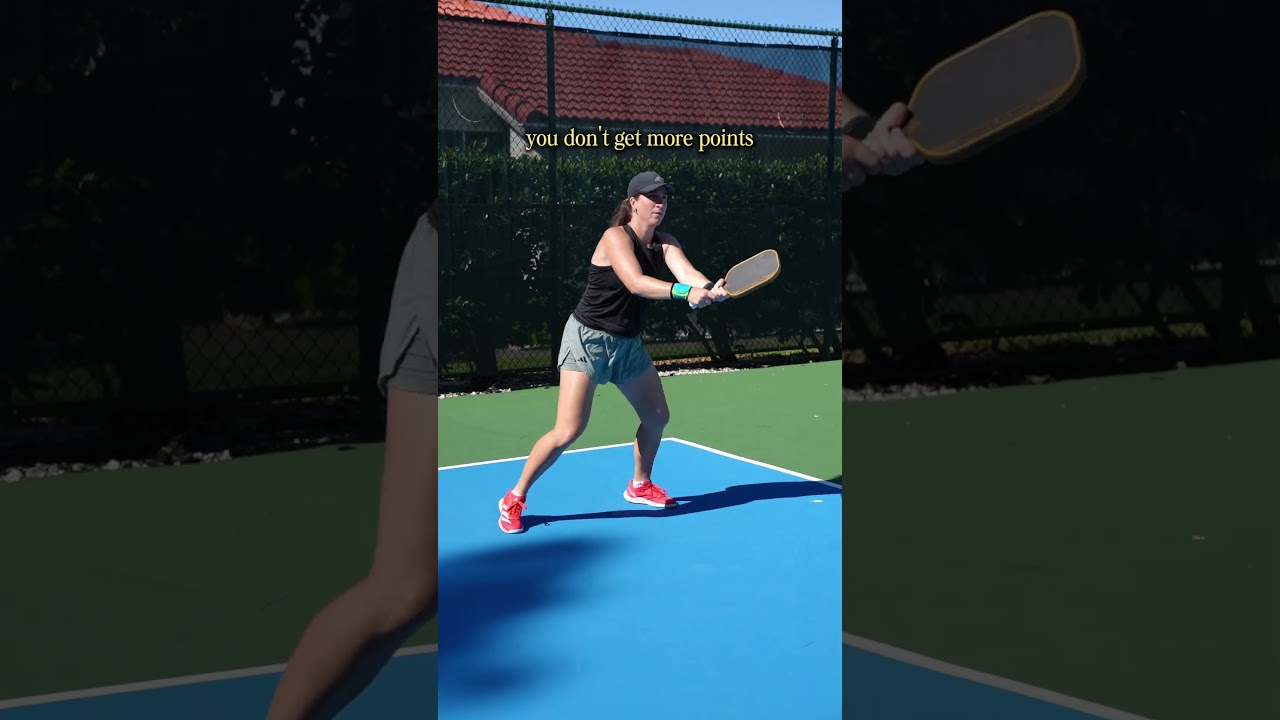
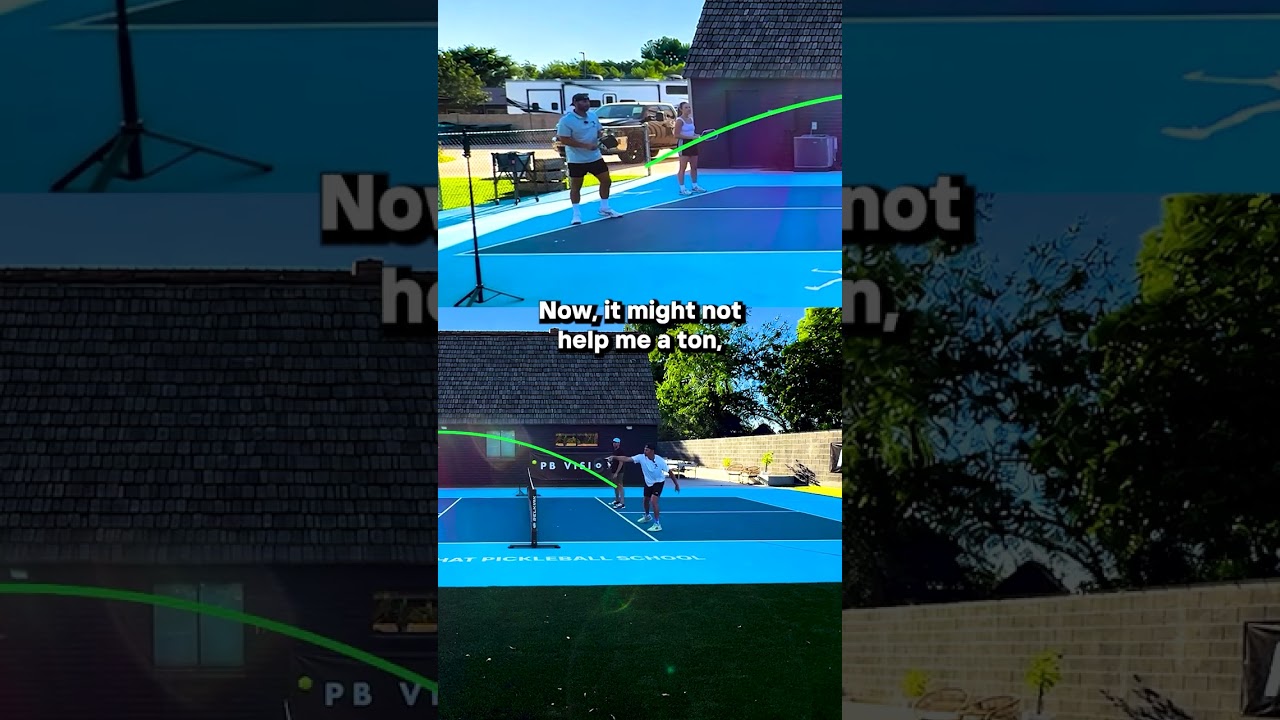
- Watch the trajectory early: Begin tracking the ball the moment it leaves your opponent’s paddle. By observing the flight path early, you can make your decision before the ball reaches your body, rather than reacting at the last possible second.
- Use a verbal or physical cue: Establish a trigger that prevents you from swinging. This could be saying "out" to yourself as the ball passes or dropping your paddle slightly. Consistency with this cue helps train your body to remain still.
- Trust your first read: The moment you begin to second-guess your initial assessment, your paddle will naturally start to move. Commit to your first read and hold your position firmly.
- Separate the outcome from the decision: After the point concludes, evaluate if your read was reasonable based on the information you had at the time. If the read was logical, the decision was correct—even if the ball ultimately landed in.
- Track it over sessions, not points: Do not let one unlucky bounce dictate your strategy for the entire match. Focus on whether your decision-making process is yielding more free points over the course of multiple games, rather than obsessing over a single mistake.
To improve your ability to identify these balls, look for two specific cues: the ball should be rising as it crosses the net and continuing to rise toward your baseline, or it should have little to no topspin, which indicates it will likely carry long rather than dropping quickly into the court.