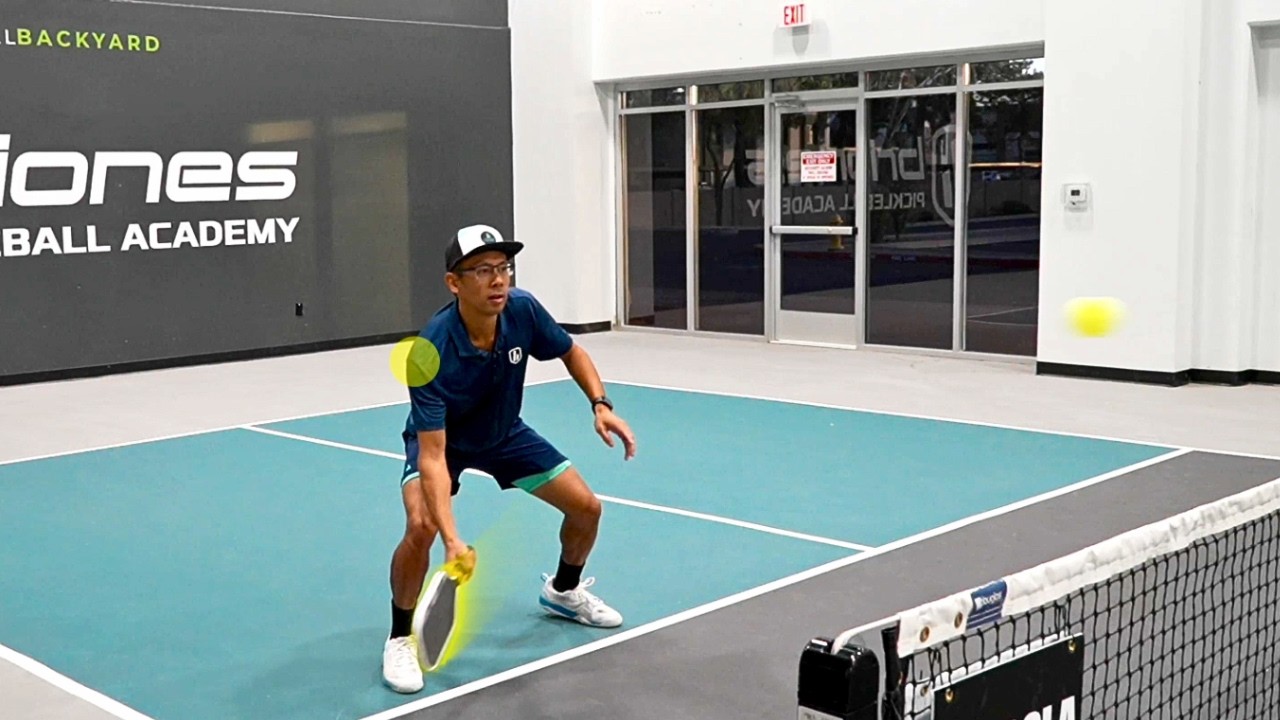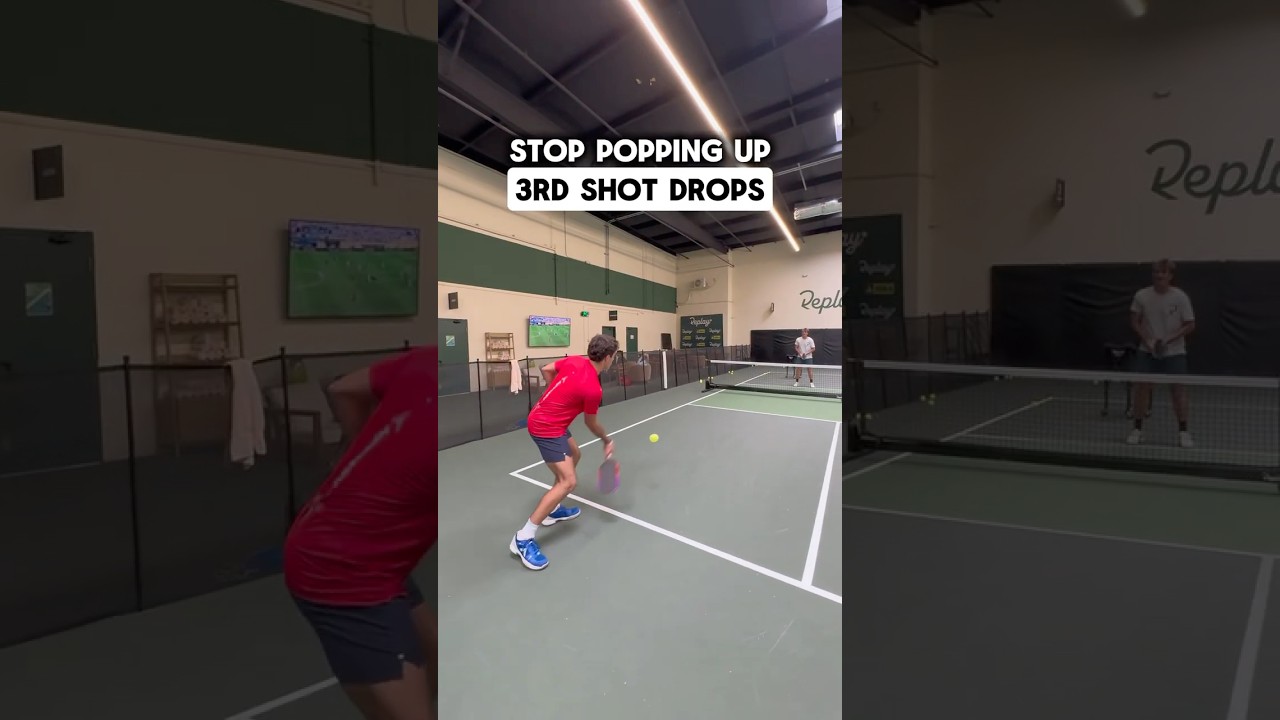
Many players struggle with the consistency of their third-shot drop due to a single, often overlooked mechanical error: active wrist movement during the swing. By shifting your technique to pre-set your wrist before the forward motion begins, you can eliminate unnecessary variables and achieve a more reliable, repeatable drop shot.
The Fix: Pre-Setting Your Wrist
The most common mistake players make is starting with their wrist high and attempting to drop, redirect, and lift the ball simultaneously during the swing. This creates a complex timing issue that frequently leads to pop-ups, balls hit into the net, or shots that float too high. According to insights from Richard Pickleball, the solution is to separate the two jobs of the shot: the wrist sets the angle, and the arm delivers the momentum.
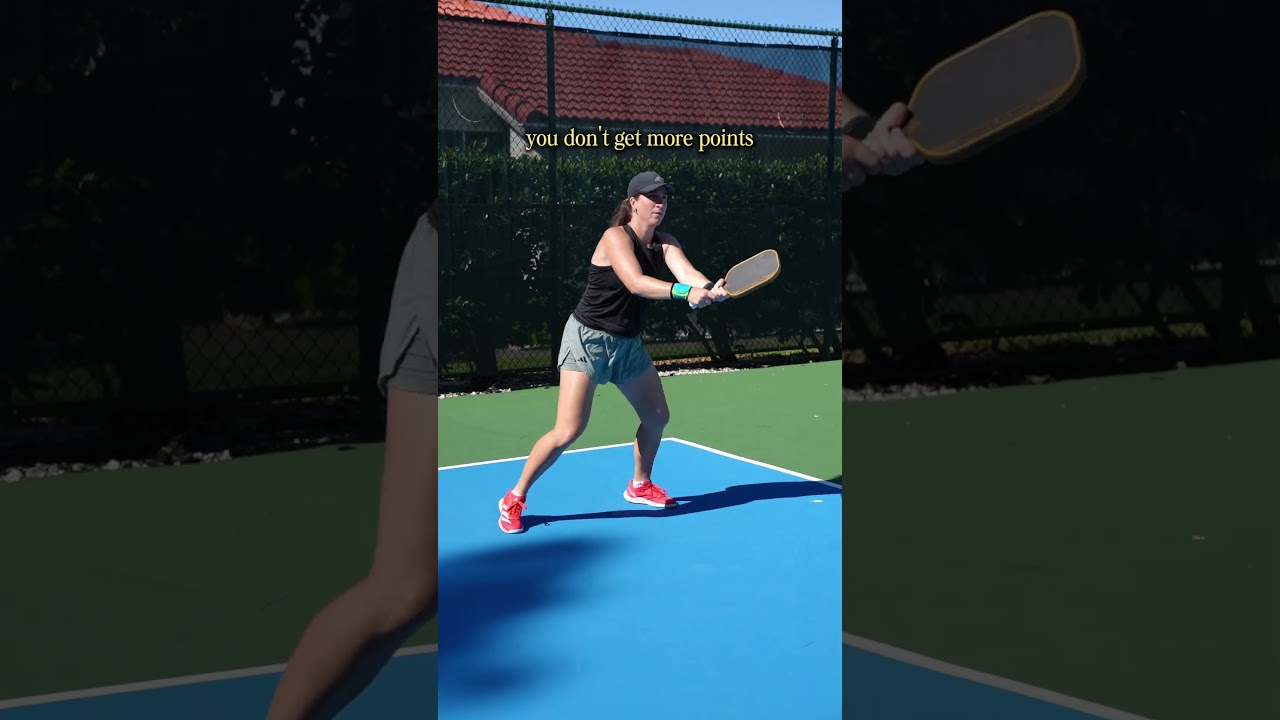
To implement this change, you must set your wrist back before the swing starts. By the time your paddle begins moving forward toward the ball, your wrist should already be in its final, loaded position. This turns your forward swing into a simple, clean push rather than a frantic, last-second scoop or flip.
To successfully integrate this timing adjustment into your game, follow these four training steps:
- Shadow swing slowly: Without a ball, practice dropping your paddle into your preparation phase and immediately setting your wrist back. Freeze in that position to verify the angle, ensuring it is consistent every time.
- Feed balls from close range: Have a partner toss balls from just past the kitchen line. Focus exclusively on getting the wrist set before you initiate your forward swing, ignoring ball placement for now.
- Add distance gradually: Once comfortable, move back to the transition zone and eventually the baseline. At every distance, prioritize pre-setting the wrist before the forward swing begins.
- Check yourself mid-rally: During practice games, pause after a missed drop and evaluate whether your wrist was already set or if you were still adjusting it during contact.
When executed correctly, the forward swing will feel passive. You are simply carrying the paddle forward while the pre-set angle handles the trajectory. This "quiet hand" approach minimizes the variables introduced by wind or awkward bounces, allowing you to focus on consistent contact rather than mid-swing corrections. While the specific wrist angle will vary—with forehands typically setting slightly back and under, and backhands requiring their own specific alignment—the core principle of separating the setup from the swing remains the key to mastering the drop.