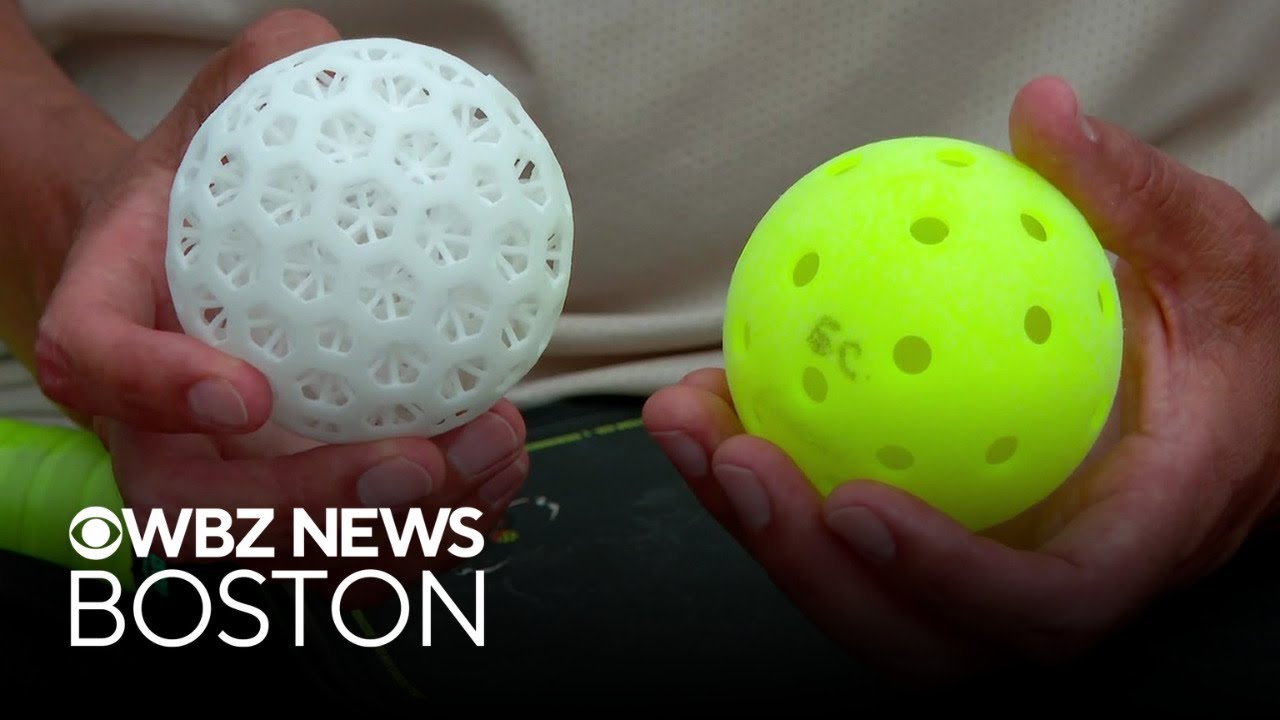
A Cape Cod town, Mashpee, Massachusetts, has implemented a new rule requiring pickleball players to use a specific noise-reducing ball that costs $50 each, sparking controversy among players who claim it affects their gameplay. The town's decision was made after receiving 16 complaints about pickleball noise, and it may set a precedent for other public courts to follow.
The new rule mandates the use of a 3D-printed ball from a company called Net X, which is designed to reduce noise. However, players have expressed concerns about the ball's performance, citing several issues. Here are the problems players have identified with the Net X ball:
- Cost: The Net X ball costs $50 per ball, significantly more expensive than standard pickleballs, which run a few dollars each.
- Inconsistent bounce: The ball does not respond consistently, compressing and releasing unpredictably, making it difficult for players to adjust their shots.
- More effort required: Players must hit the ball roughly twice as hard to get similar results, which changes shot mechanics completely and can be tiring.
- Not tournament-legal: The Net X ball is not used in sanctioned events, and playing with it regularly could hurt a player's game when they participate in tournaments or play on other courts.
- Visitor problem: Summer tourists who rent courts for a week may not have access to the $50 ball, creating an access problem for casual players visiting the area.
The Broader Implications
The controversy in Mashpee highlights the ongoing debate about noise levels and pickleball courts. While the Net X ball may reduce the noise of the ball bouncing, it does not address the overall noise generated by active courts, including player conversation, movement, and general activity. This issue is not unique to Mashpee, as similar conflicts are arising in neighborhoods across the country. The pickleball community needs to be aware of the potential for noise complaints to impact their ability to play on public courts and take steps to be good court citizens, such as watching their volume, respecting court hours, and engaging with their neighbors to address concerns before they escalate into formal complaints.