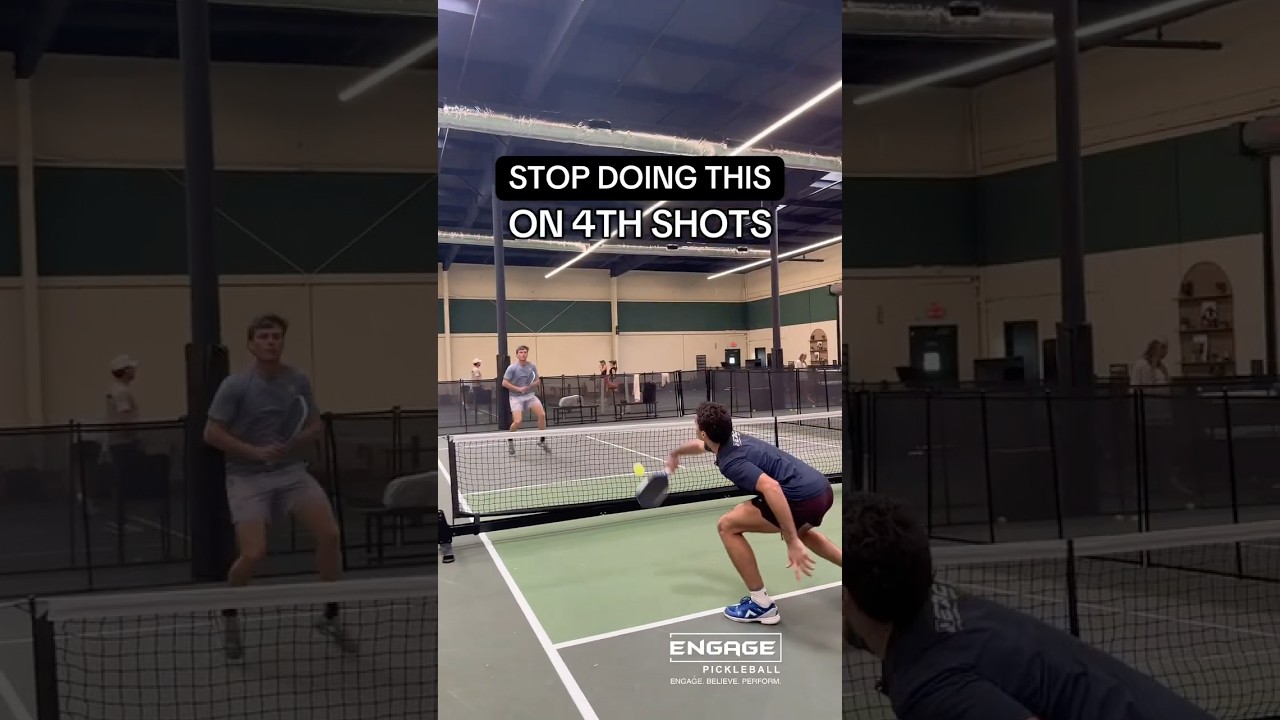
When a ball lands at your feet with heavy topspin, your natural instinct might be to speed it up, but doing so is often a recipe for disaster. According to insights from Richard Pickleball, attacking a ball below your knees is a common error that leads to unforced errors and lost points, as it forces you to strike from a compromised position.
How to Properly Neutralize a Low Ball
Instead of attempting a low-percentage attack, you should focus on "conceding the net." This strategy involves accepting that your opponent has gained a temporary advantage and choosing to reset the rally rather than forcing an offensive shot. By shifting your mindset from aggression to neutralization, you can stay in the point and wait for a better opportunity. To execute this effectively, follow these five steps:
- Read the ball early: As soon as you recognize a heavy, low-trajectory shot heading toward your feet, immediately abandon any thoughts of an attack and prepare to neutralize the play.
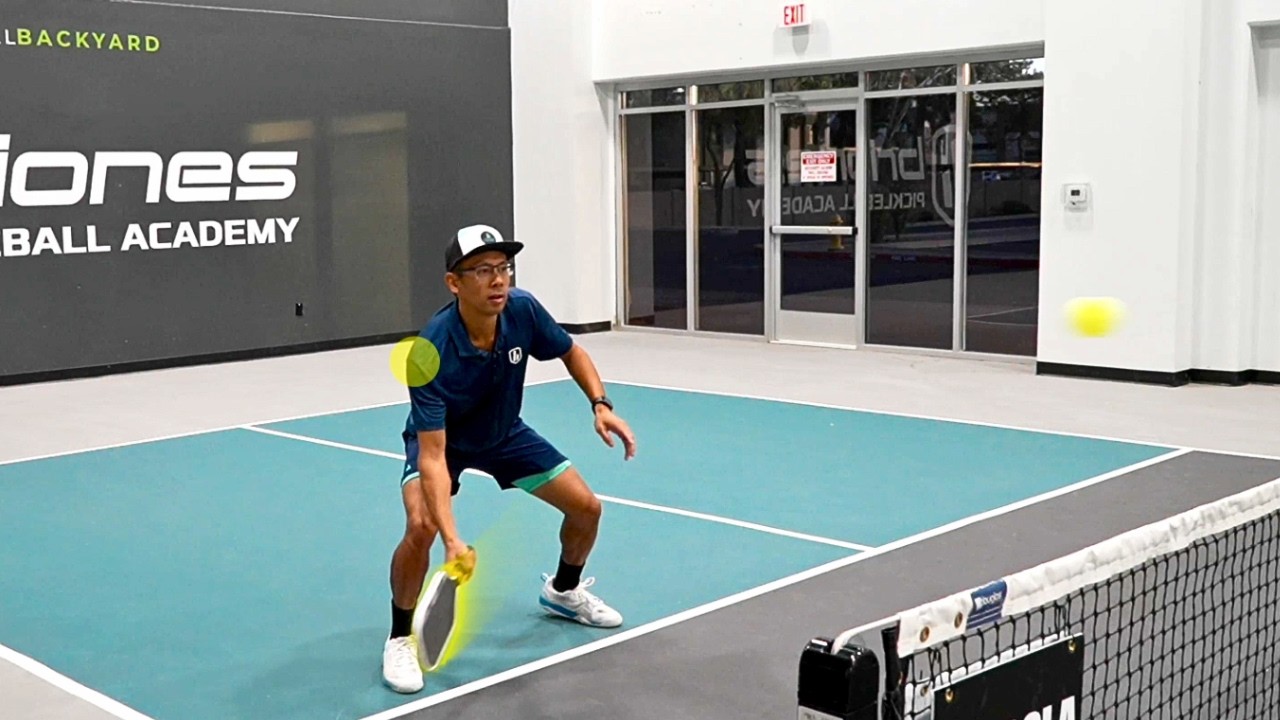
- Get low: Lower your center of gravity by bending your knees. It is essential to get your body down to the ball rather than simply reaching down with your arm while standing upright.
- Choose your contact point: You have two primary options: catch the ball out of the air as a short hop or take it immediately after the bounce at its lowest point. The short hop is often preferred for superior control.
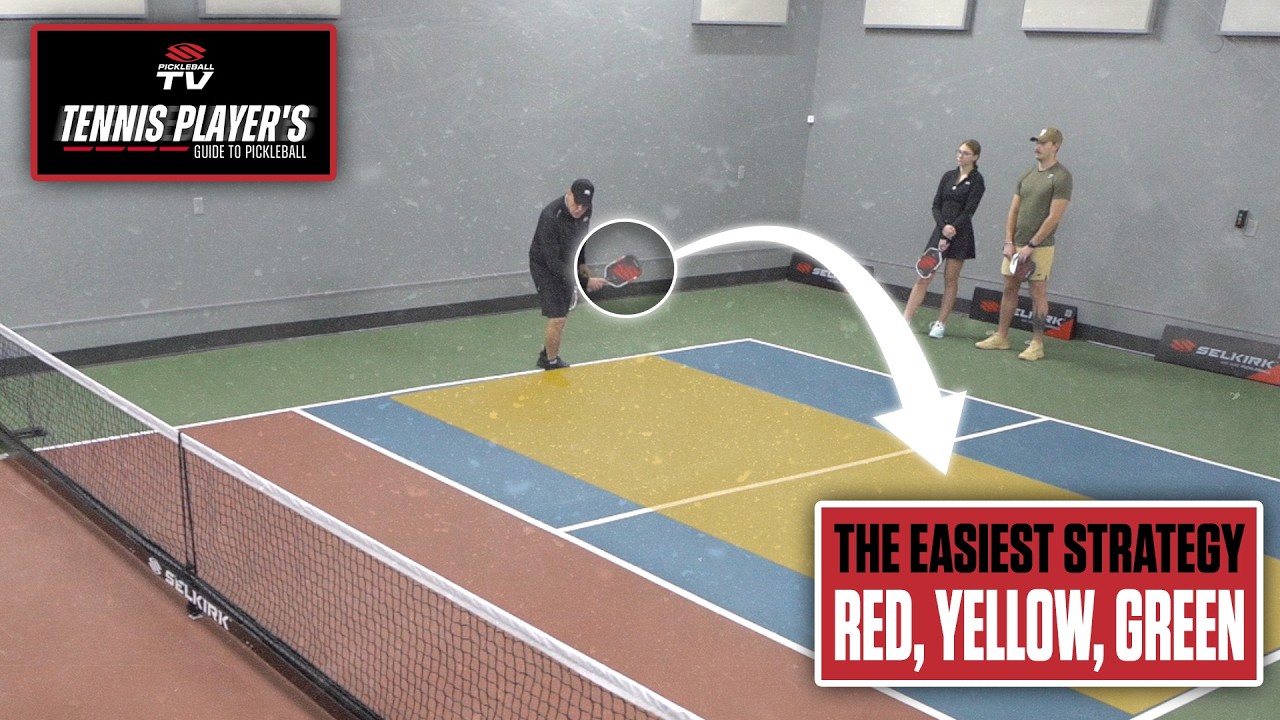
- Send it cross-court: Direct your shot across the court. This path provides the most net clearance and the greatest distance, making it the safest way to reset the rally. Avoid the temptation of a down-the-line flick.
- Aim for depth, not pace: Your goal is not to win the point outright, but to return the ball to a neutral state. Focus on placing the ball deep to reestablish your position at the kitchen line.
The danger of topspin at your feet is that it accelerates downward after the bounce, significantly shortening your reaction time and creating an awkward contact point. When you try to force an attack from this position, you are essentially fighting against the physics of the shot. Ultimately, players often attack these balls out of ego or frustration, viewing a well-placed shot by their opponent as an insult that must be punished. By recognizing that a low ball is a defensive situation, you can stop handing out free points and start playing with the patience required to win at higher levels.