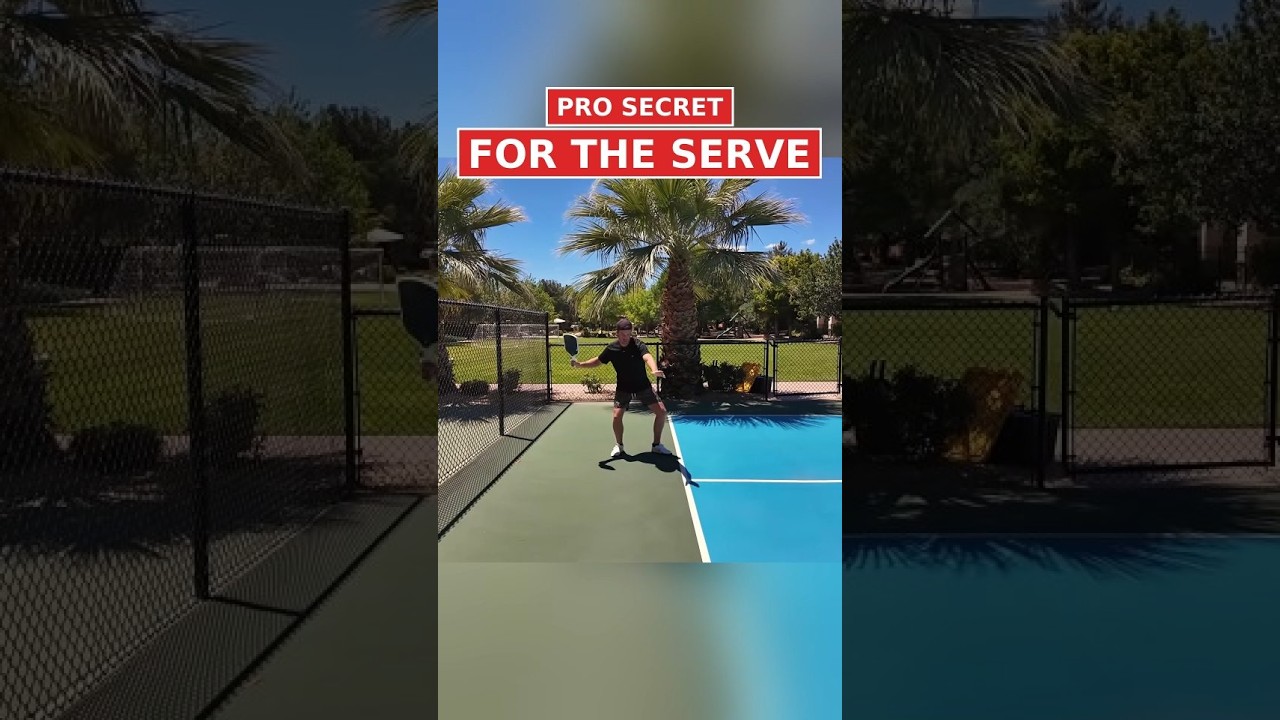
Many top pickleball players incorporate a jump into their serve, and it's not just for show - this technique can add significant power to their shots. By leveraging their legs and core, players can generate more speed and control, making their serves more effective.
The key to a powerful jumping pickleball serve lies in the timing and execution of the jump. According to coach Austin Hardy, the jump should occur after contact with the ball, not before. This allows the energy from the legs to transfer through the hit, rather than being wasted in the air. Here are the five keys to jumping into your pickleball serve the right way:
5 Keys to a Powerful Jumping Pickleball Serve
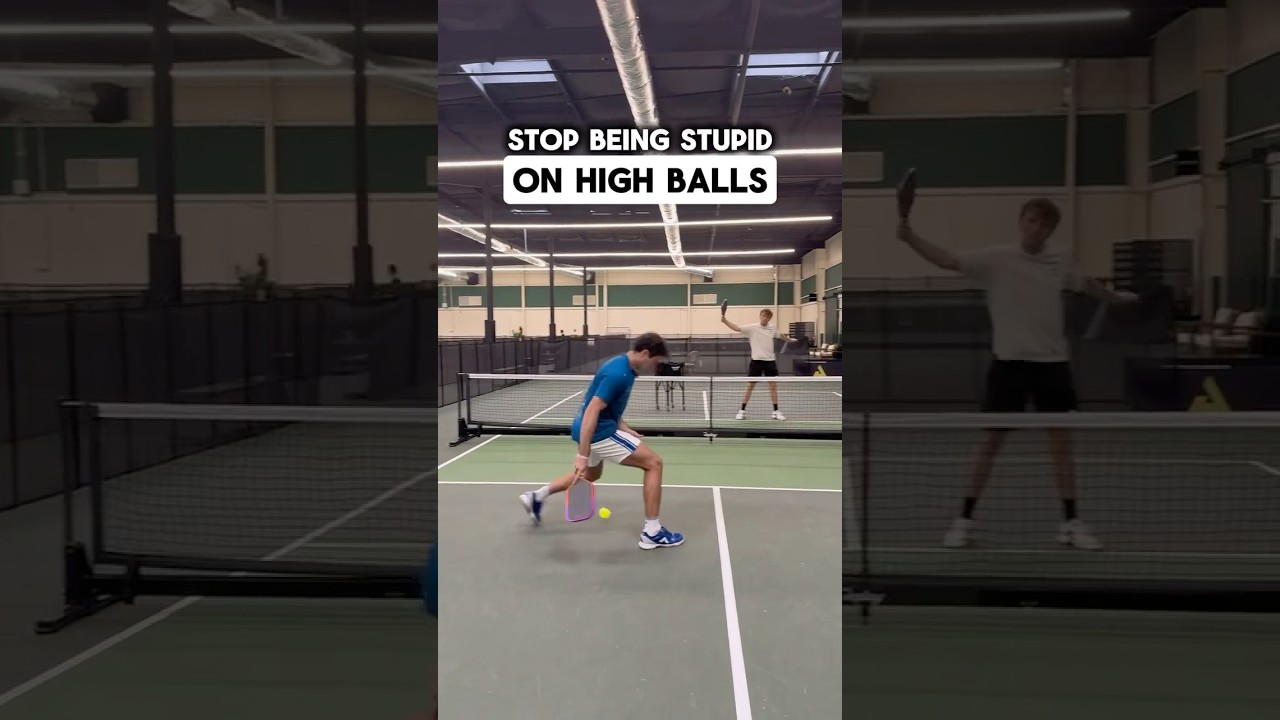
- Jump after contact, not before: The most common mistake is leaving the ground too early, which can cause the player to lose the connection between the ground and the ball. Instead, players should stay down a beat longer than feels natural, then release.
- Jump forward into the court, not up: A low, forward hop sends the body weight in the same direction as the ball, while a high jump can make the player airborne and throw off their contact point. As Hardy explains, "We're not jumping up. We're jumping forward, our momentum is going forward into the court."
- Let your rotation come through: A good pickleball serve is a rotational move, and the jump only helps if the player lets their hips and shoulders turn. Hardy describes feeling the rotation come through as he jumps into the court, loading slightly with his shoulders coiled away from the target, then unwinding through contact as his back foot lifts.
- Drive up from your legs: The power comes from the ground, and the whole point of jumping is to force the player to "push from their legs" instead of arming the ball over. By bending the knees during the load and feeling like they are pressing the court away from them at contact, players can generate more speed and control.
- Land balanced and ready: The serve is not finished when the ball leaves the paddle. Players should use the momentum from the jump to land inside the baseline with their weight controlled and their paddle back up in front of them, ready to respond to the return.
One player who exemplifies this technique is pro James Ignatowich, who has one of the fastest serves in the sport. According to Hardy, Ignatowich "utilizes his legs and he jumps into his contact" on every shot, making him a great model to study. The jump is not just a serve trick, but an athletic habit that can be applied to other shots, such as drives, speed-ups, and overheads.
It's also worth noting that jumping on your pickleball serve is legal, as long as the contact still meets the volley serve rules and the player does not touch the baseline or the court before hitting the ball. By incorporating this technique into their game, players can add power, speed, and control to their serves, making them more effective and competitive.