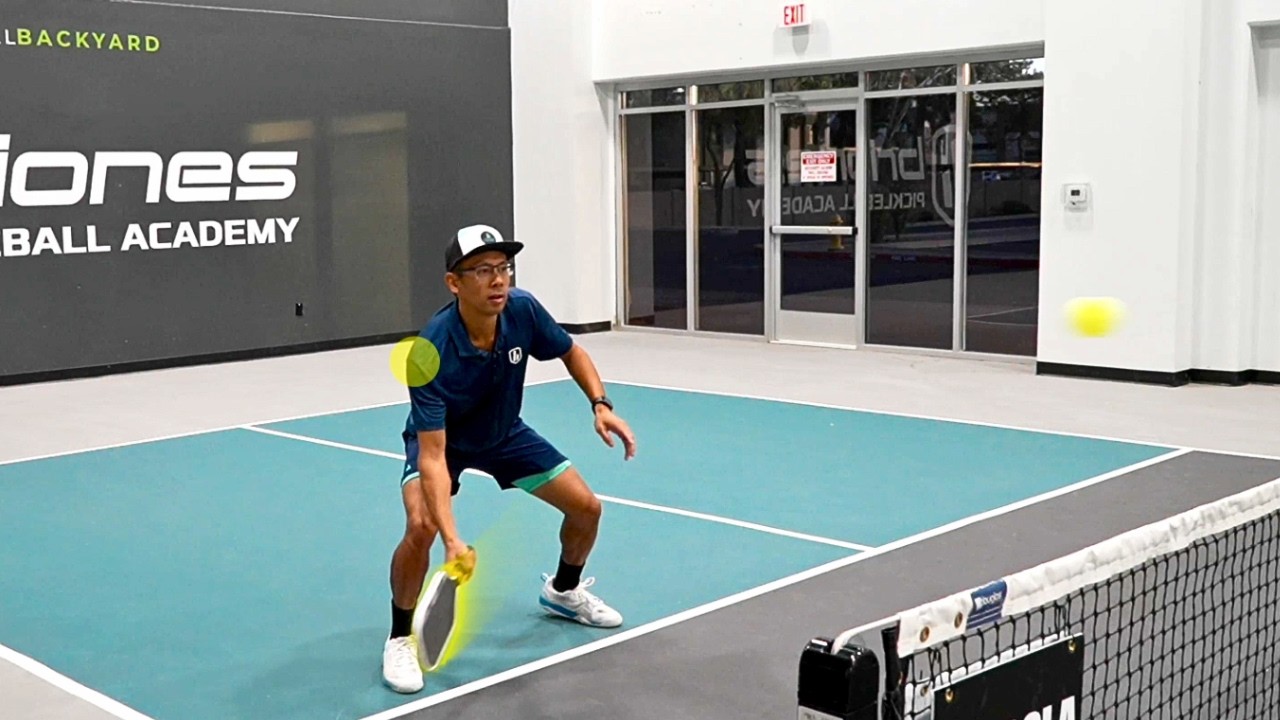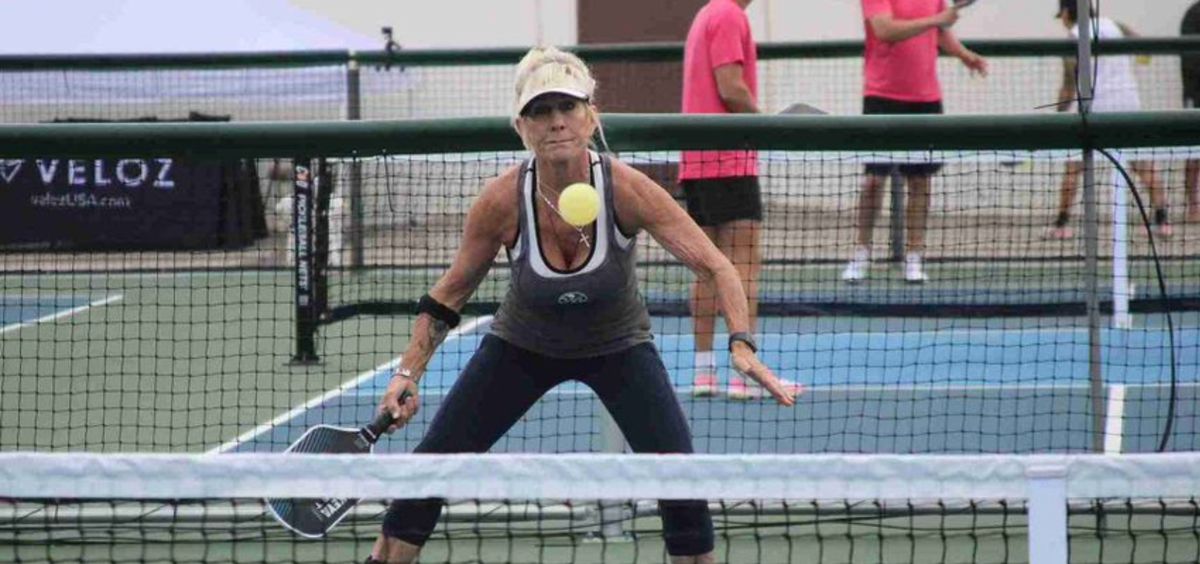
Pickleball lateral movement training is less about raw strength and more about mastering your body mechanics to reduce joint stress. By focusing on how you plant your feet and control your trunk, you can prevent the knee pain that often follows intense sessions on the court.
Essential Adjustments for Safer Lateral Movement
To protect your knees while navigating the court, you should integrate these four specific movement adjustments into your existing drilling sessions. These changes focus on biomechanics rather than just physical conditioning:
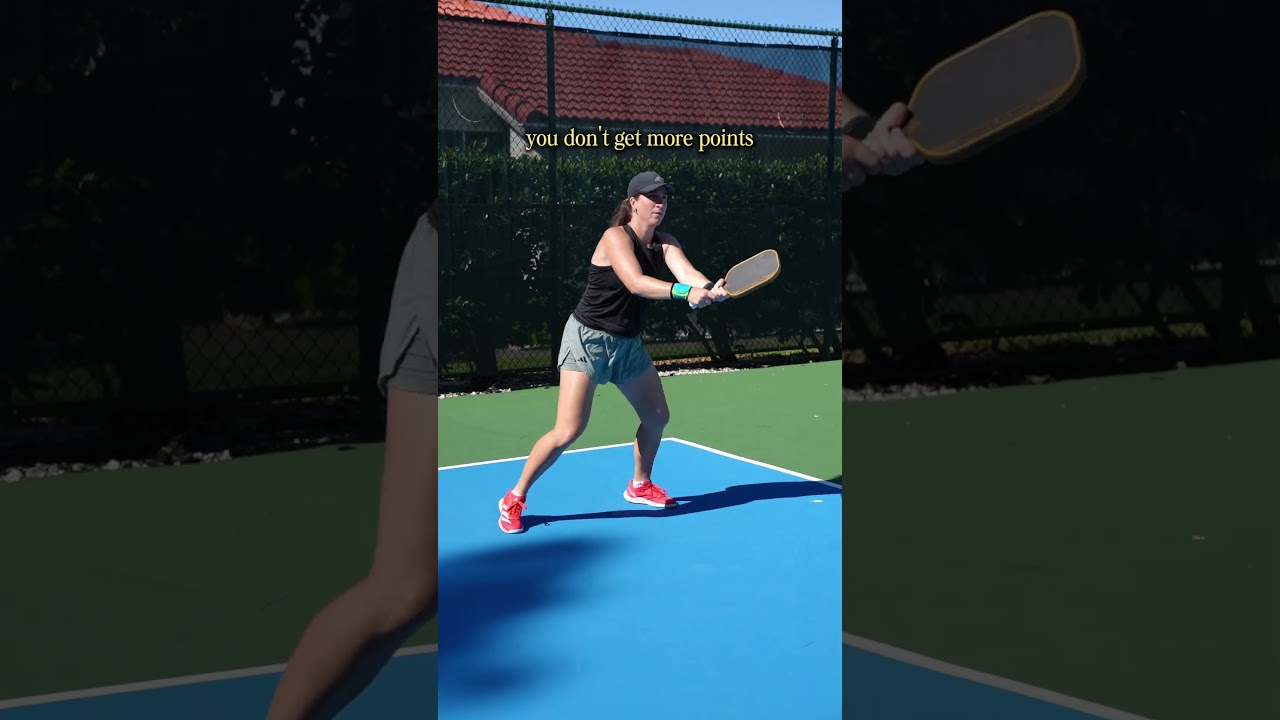
- Shuffle, don't cross: Avoid using crossover footwork, which forces your body into a rotated position with a wide, unstable plant. Instead, keep your feet positioned under your hips whenever you are within two steps of the ball.
- Narrow the plant: The most significant load spikes occur during that final, wide reaching step. To mitigate this, take an extra small shuffle step to reach the ball rather than attempting one large, lunging step.
- Bend more on contact: Research indicates that deeper knee flexion during the plant phase acts as a protective factor. Focus on staying low from the moment you perform your split step, rather than waiting until the ball arrives to drop your center of gravity.
- Keep your chest square: Resist the natural instinct to lean your shoulders toward the ball. Instead, prioritize moving your feet to the ball's location to keep your trunk upright and stable.
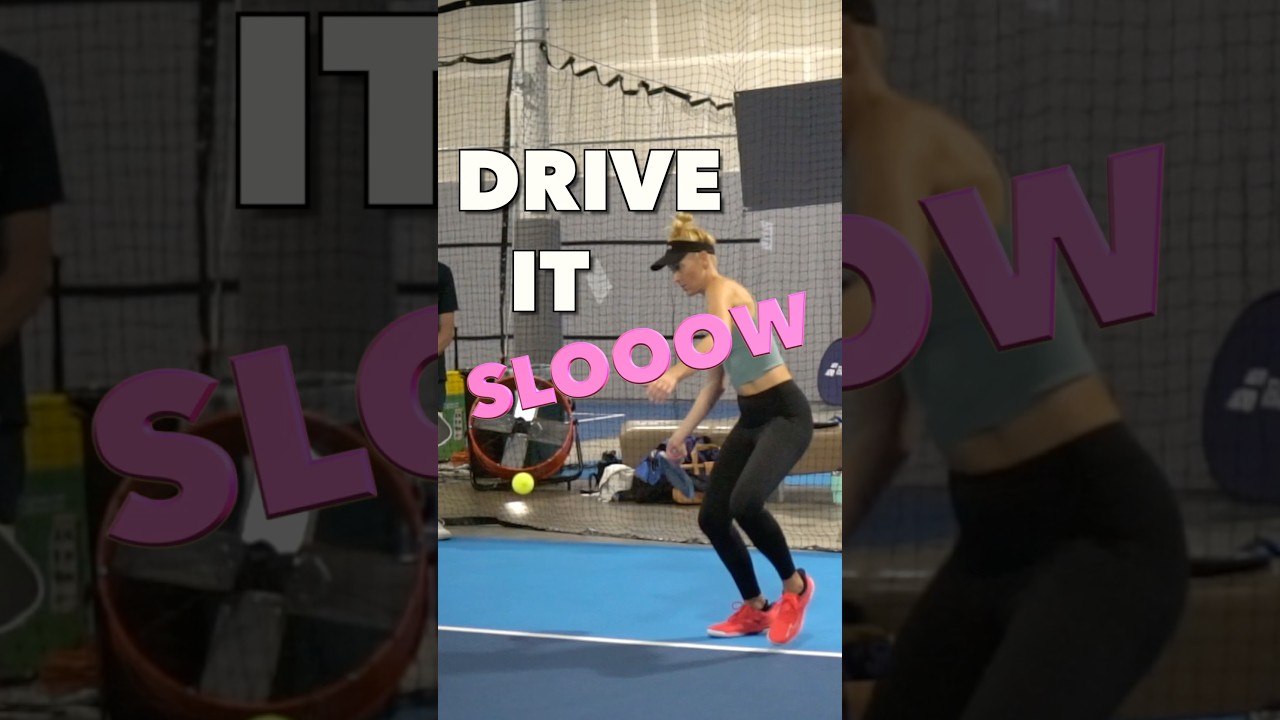
These adjustments can be practiced effectively during solo drills, such as the figure-8 drill, which allows you to rehearse direction changes at a controlled tempo without the pressure of a competitive rally.
The science behind these movements centers on the gluteus medius, a muscle located on the side of the hip. This muscle acts as a "guy wire" that keeps your knee tracking correctly over your foot. When the gluteus medius is weak or inactive, the knee tends to drift inward, leading to improper loading. Furthermore, experts warn against over-emphasizing quad-heavy exercises like leg extensions, as these can increase forward shear force on the shin and place additional strain on the ACL. Instead, players should focus on balanced work across the hips and hamstrings to ensure long-term joint health.