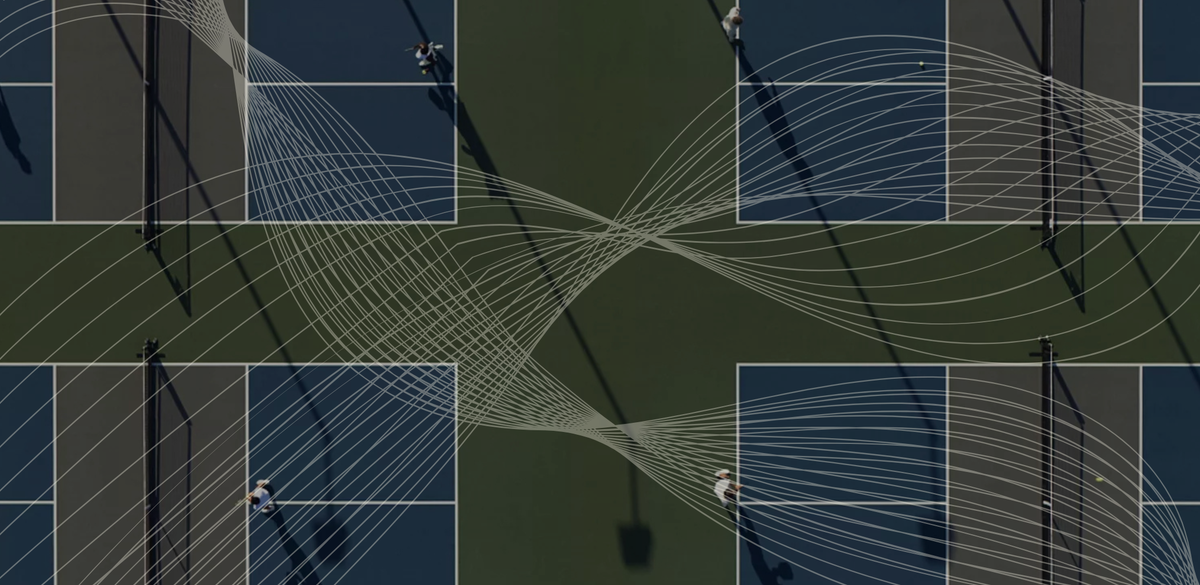
Pickleball has become a beloved sport for many, offering a unique combination of movement, competition, connection, improvement, and joy. At its core, the sport provides an opportunity for players to experience a state of complete immersion, known as flow, which is characterized by energized focus, heightened enjoyment, and stronger performance.
The concept of flow, developed by University of Chicago professor Mihaly Csikszentmihalyi, occurs when the challenge and skill level are closely matched, allowing players to become fully engaged in the activity. In pickleball, this can be seen when the DUPR ratings of the players on both sides of the court are similar, creating an uncertain outcome and a sense of excitement. This balance of challenge and skill is what makes pickleball so addictive and enjoyable for players of all levels.
Experiencing Flow in Pickleball
Flow can be experienced in various ways in pickleball, including:
- Extended rallies: When players are fully engaged in a long and intense rally, they can experience a sense of flow, where time seems to disappear and their focus is solely on the game.
- Instinctive counters: When a player makes an instinctive shot, they can feel a sense of flow, as their body and mind are working together in perfect harmony.
- Points where the ball keeps coming back: When players are engaged in a point where the ball is constantly being returned, they can experience a sense of flow, as they are fully focused on the game and reacting to the ball.
- First ATP (Around the Post) shot: When a player hits their first successful ATP shot, they can feel a sense of flow, as they have executed a difficult shot and are fully engaged in the game.
- Group flow: Pickleball is uniquely suited to creating group flow, where all four players on the court are connected and working together, creating a sense of harmony and cohesion.
Flow is not limited to individual players; it can also be experienced by groups of players working together. The small court size, dominant doubles format, and constant connection between players create an environment where group flow can thrive. This allows players of different ages, genders, and athletic backgrounds to come together and experience flow, making pickleball a uniquely accessible and enjoyable sport.
As players progress in their pickleball journey, they can experience deeper levels of flow, which can be seen in the way higher-level players play the game. They can extend points, hit calmer resets, and engage in drawn-out hand battles, demonstrating a richer and deeper version of the flow experience. This can inspire beginner and intermediate players to strive for improvement, not just to win more games, but to experience the joy and excitement of flow.
Ultimately, the pursuit of flow is a key aspect of pickleball's appeal, and it is what keeps players engaged and motivated to improve. By understanding and experiencing flow, players can elevate their game and enjoy the many benefits that pickleball has to offer.