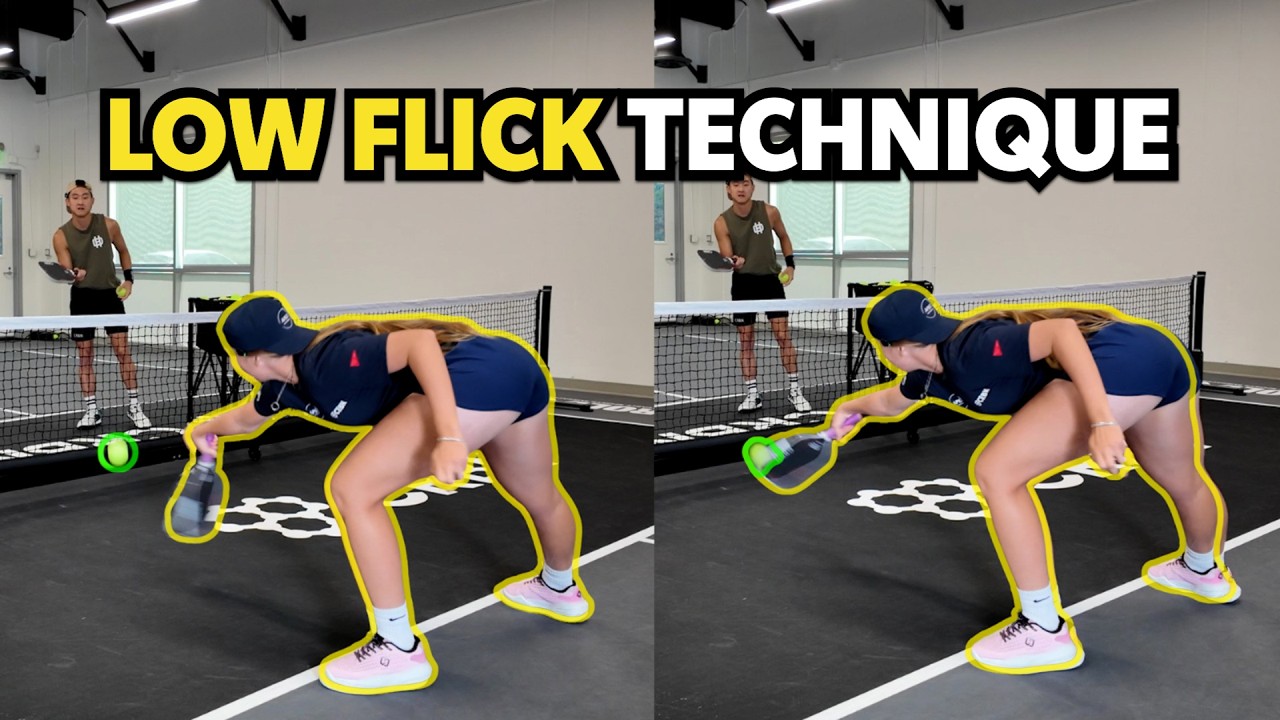
Many recreational pickleball players struggle with inconsistent backhand flicks, often blaming their technique on a lack of wrist snap. However, 6.02 DUPR-rated pro Danni-Elle Townsend argues that the wrist is actually the root of the problem, and that true power and control come from shoulder rotation and proper footwork.
Mastering the Backhand Flick
To improve your backhand flick, you must move away from relying on small, weak joints like the wrist and instead utilize larger muscle groups. By adopting the mechanics used by top professionals, you can achieve greater reach and consistency at the kitchen line. Here are the core components of the modern backhand flick:
- Shoulder Rotation: Instead of snapping the wrist, drive the motion from the shoulder socket. By rotating the joint inward through the swing, you generate force even when your arm is fully extended, providing a much more stable base for the shot.
- Layered Power Sources: You can stack your mechanics to increase pace. Start with shoulder rotation as the primary driver, add slight elbow extension for extra reach, and only use minimal wrist acceleration at the very end if you need additional finishing power.
- Vertical Paddle Positioning: Avoid the common advice to drop your paddle tip low, which often leads to unpredictable face angles and balls sailing long. Keep the paddle more vertical and use a lifting, brushing motion rather than a scooping one to maintain better height control over the net.
- The Front Foot Pivot: To maximize your reach, turn your front foot outward. Squaring your foot forward blocks your hip, limiting your extension. By pointing your toe out, you open your hip, allowing your weight to shift forward naturally and enabling you to reach balls without lunging or risking a foot fault.
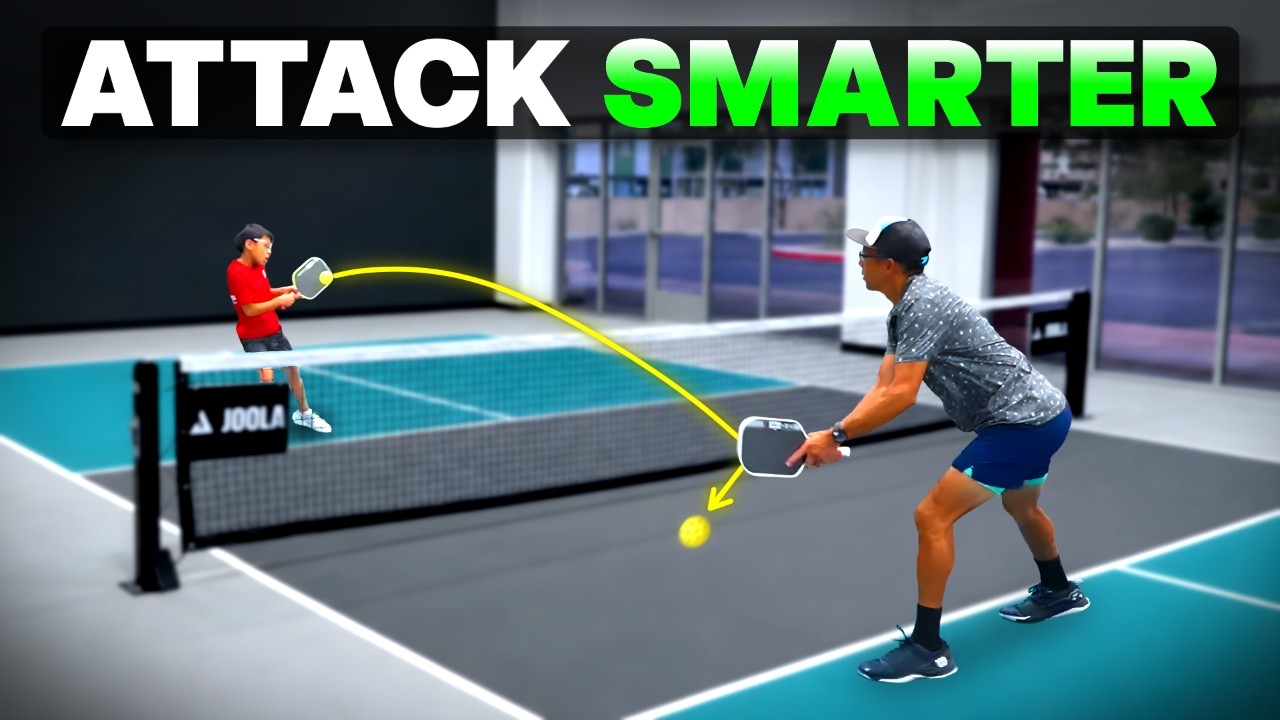
By implementing these adjustments, you can stop "popping" the ball up and start attacking with the same precision as high-level pros. This approach emphasizes that winning at the kitchen line is less about swinging harder and more about creating space through your body's coil and maintaining smarter paddle positioning throughout the contact point.