Many pickleball players avoid learning new skills because they feel they should have started years ago, but your current experience level actually makes you a faster learner than ever before. By leveraging your existing court sense and following a structured four-stage development process, you can break through plateaus and add high-impact shots to your game.
The Four Stages of Learning a New Shot
Learning a new technique is not about instant mastery; it is about building familiarity through a specific progression. Most players fail because they get stuck in the drilling phase and refuse to risk the awkwardness of competitive play. To successfully integrate a new shot, you must move through these four stages:
- Mechanical awareness: You must first understand the physical requirements of the shot, specifically focusing on your grip, the ideal contact point, and the necessary swing path.
- Isolated drilling: Practice the shot repeatedly in a controlled setting, such as hitting against a wall or working with a partner who can provide consistent, predictable feeds.
- Cooperative play practice: Transition the shot into slow, cooperative rallies. This allows you to build consistency and confidence without the pressure of trying to win the point.
- Competitive integration: Begin using the shot during actual points. You must accept that you will fail initially, but these failures are necessary feedback to help you refine the shot under pressure.
High-Return Shots to Prioritize
Not all shots offer the same benefit. To improve your game, focus on these five specific techniques that provide the highest return on investment for recreational players:
- Two-handed backhand: This shot is essential for adding power, disguise, and consistency to the backhand side, which is frequently targeted by opponents.
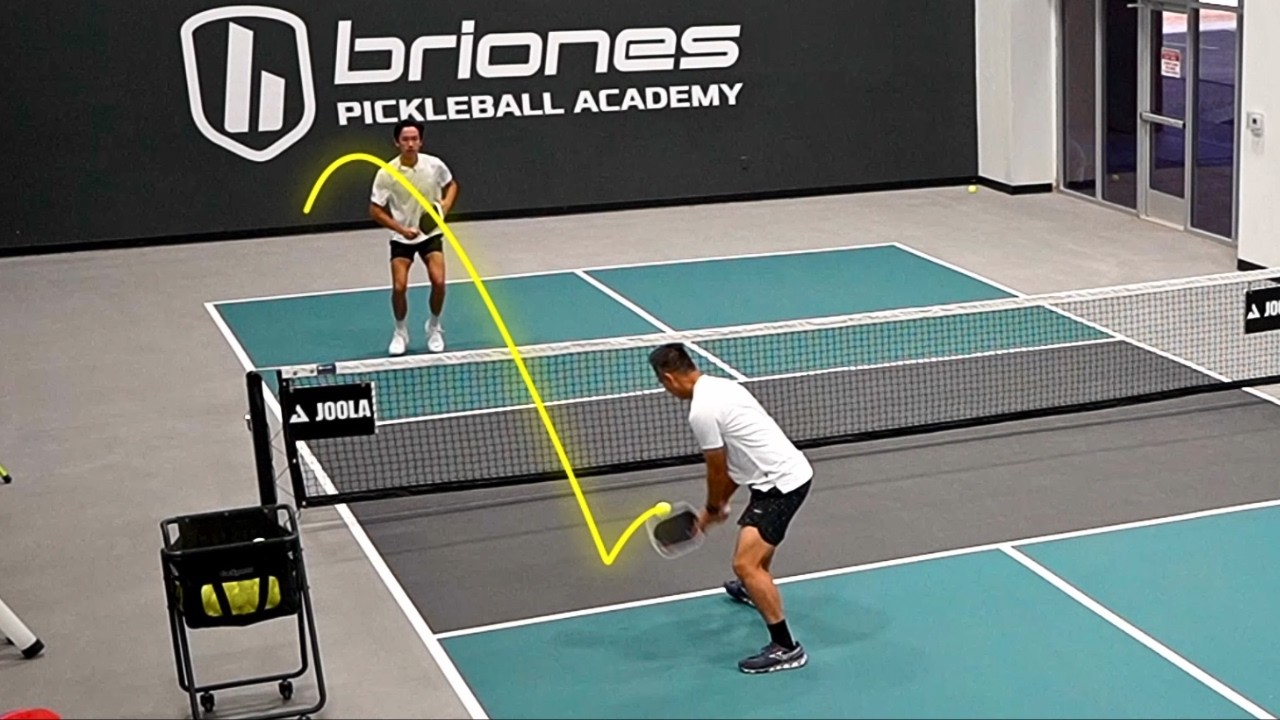
- Speed-up off the bounce: Learning to attack the ball directly off the bounce allows you to create offensive opportunities in situations where most players would simply settle for a reset.
- Third-shot drop: As the most critical transition shot in the game, a consistent drop is vital. Focus on placement over power to ensure you can reach the kitchen line effectively.
- Reset from a hard drive: Especially important for players in the 3.5 to 4.5 range, this skill allows you to absorb pace and neutralize aggressive opponents.
- Fake dink into speed-up: Once your standard dink is reliable, adding deception by faking a dink before accelerating the ball turns a neutral rally into an offensive weapon.
Ultimately, your growth is supported by your existing foundation. Because you already understand angles, spin, and positioning, you have a massive advantage over beginners when learning these advanced mechanics. To begin, dedicate five to ten minutes before your sessions to isolating the mechanics of your chosen shot, then commit to testing it in live play.