Pickleball players often struggle with knowing when to speed up their game, and this decision can be the difference between winning a point and giving their opponent a free counterattack. According to professional player John Cincola, a simple "traffic light system" can help players make this decision, and it's based on five key factors that determine when to speed up in pickleball.
The Green, Yellow, Red Light System for Speeding Up in Pickleball
This system rates every ball that might be attacked on five factors, with the goal of stacking as many "green lights" as possible before committing to an attack. The five factors are:
- Ball height: how high the player makes contact with the ball, with higher contacts being more favorable for an attack.
- Contact point: where the ball is relative to the player's body, with balls struck out in front of the body being more controllable.
- Balance: how much body control the player has, with good balance being essential for a clean and effective attack.
- Opponent readiness: how prepared the opponent is to counter the attack, with a less prepared opponent making it safer to attack.
- Partner readiness: how prepared the player's partner is to clean up a redirect, with a more prepared partner making it safer to attack.
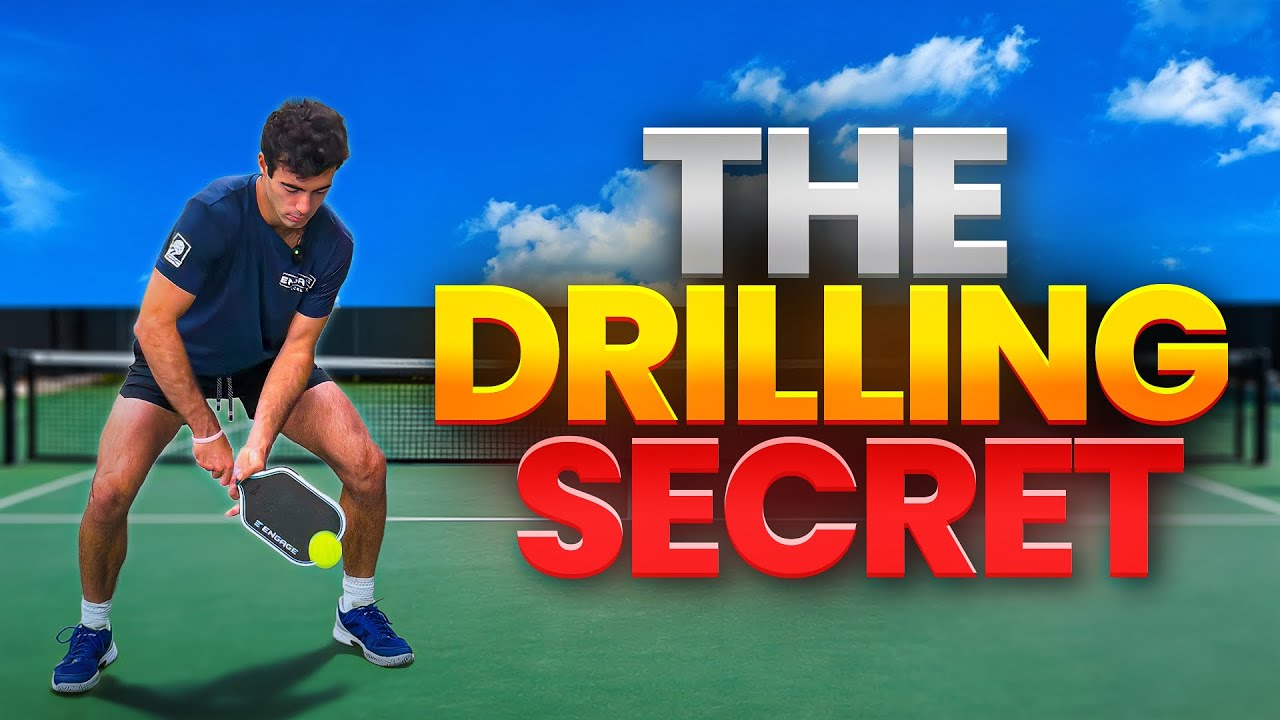
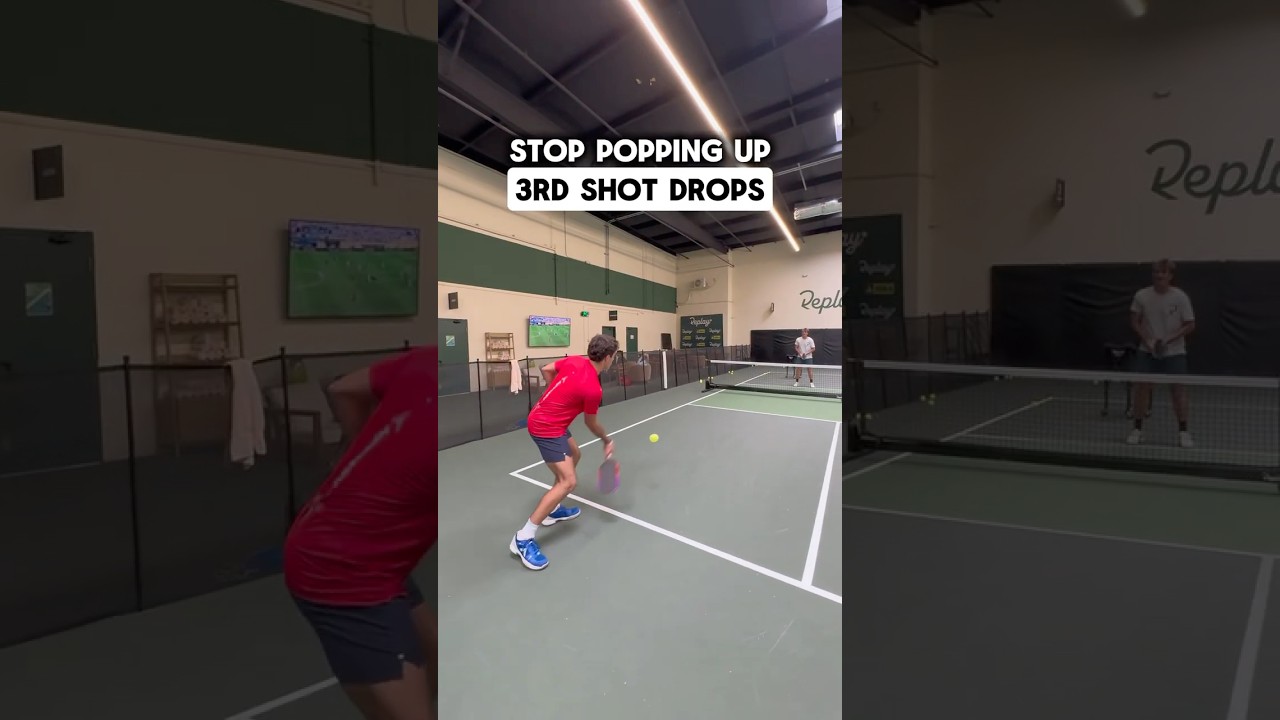
For example, when it comes to ball height, a ball contacted around net height is considered a "green light", while a ball contacted at or below the middle of the net is a "red light". Similarly, when it comes to contact point, striking the ball out in front of the body is a "green light", while striking it behind the body is a "red light". By considering these factors, players can make more informed decisions about when to speed up their game and increase their chances of winning.
It's worth noting that there are some exceptions to this system, such as when the ball is contacted around shoulder height, which is always considered a "green light". Additionally, players should prioritize patient dinking to force a pop-up and create a more favorable opportunity to attack. By mastering these factors and principles, players can improve their game and become more effective attackers.