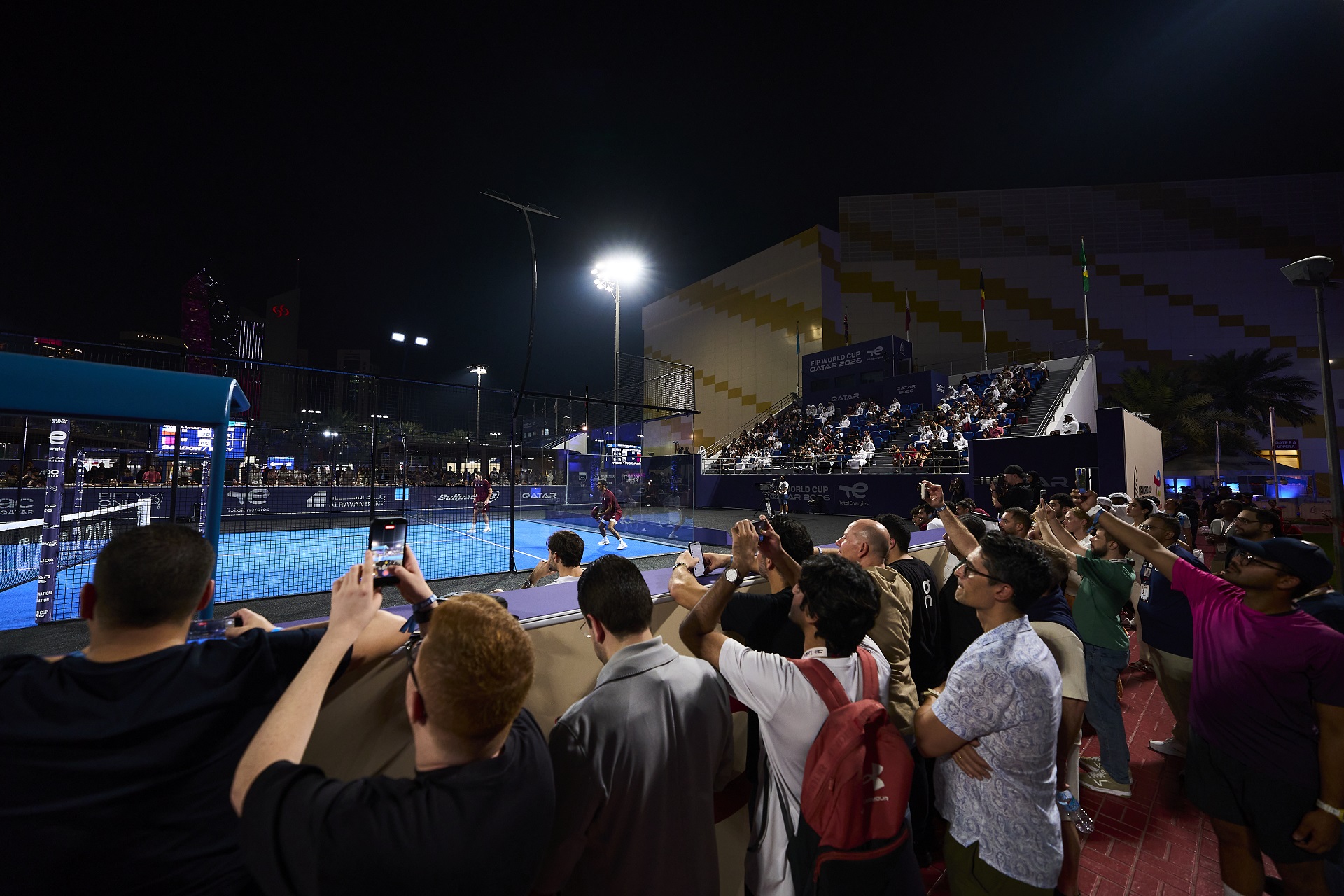
The opening round of the FIP World Cup in Doha has provided tangible evidence that padel is evolving from a niche sport into a truly global discipline. Beyond the final scores, the tournament highlights a significant narrowing of the technical gap between established powerhouses and emerging nations, a trend further supported by the latest FIP World Padel Report.
Key Indicators of Padel's Global Expansion
The tournament results and recent data reveal several critical shifts in the international padel landscape:
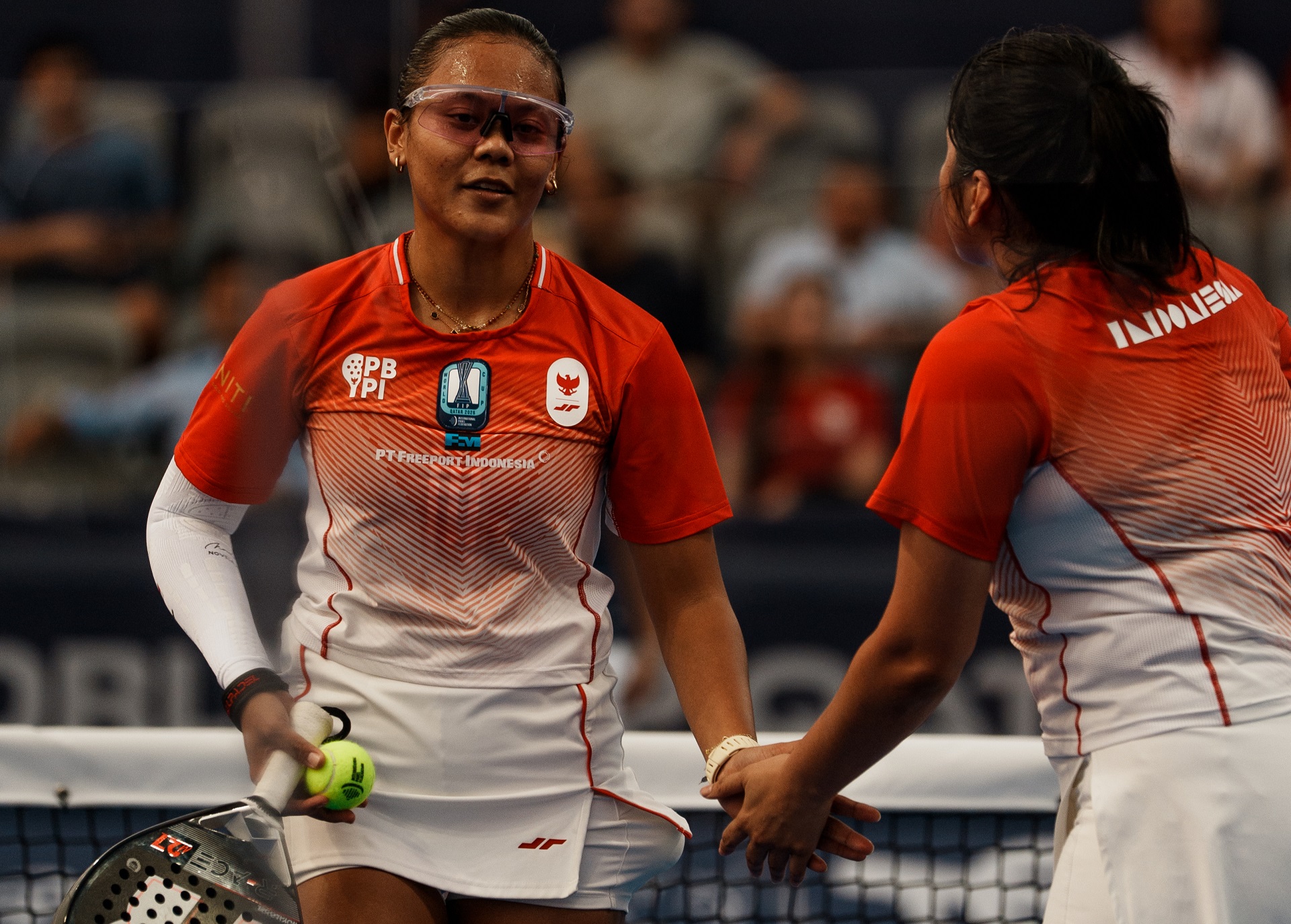
- Indonesia’s competitive debut: Despite a 3-0 loss to Sweden, the Indonesian women's team proved their technical growth by forcing their opponents into a third set in two of the three matches. This performance aligns with data showing Indonesia is Asia's fastest-growing country for the sport, boasting a 310.1% increase in clubs and a 440.8% rise in court installations since September 2025.
- The Asian market surge: Asia is becoming a major hub for the sport, with the continent's share of global court installations more than tripling in just one year, climbing from 10% in 2025 to 31.7% in 2026.
- The rise of American competitiveness: While Portugal secured a 2-1 victory over the United States, the American pair of Morga and rising star Ornella Beltramino mounted a fierce comeback in the third match. This closely contested result serves as a barometer for the sport's rapid expansion and improving quality of play across the Americas.
- Dutch technical advancement: The Netherlands demonstrated their elite potential by defeating France 2-1, a nation traditionally favored for podium finishes. This success follows their fourth-place finish at the FIP Euro Padel Cup and is backed by the installation of approximately 400 new courts in 2026.
- Netherlands' infrastructure milestones: The Dutch market has reached two significant benchmarks: they have officially surpassed Sweden in total court numbers and have crossed the 4,000-court threshold, securing a spot in the world’s top five nations for infrastructure.
- Sweden’s narrowing performance gap: Sweden’s men’s team showcased the increased depth of the sport by pushing top-tier players Yanguas and Goñi to a third set. This level of competitiveness from the Swedish pair of Slaryd and Axelsson highlights a technical standard that would have been considered impossible just a few years ago.
These developments suggest that the traditional hierarchy of padel is being challenged, as countries invest heavily in both infrastructure and high-level training to compete on the world stage.