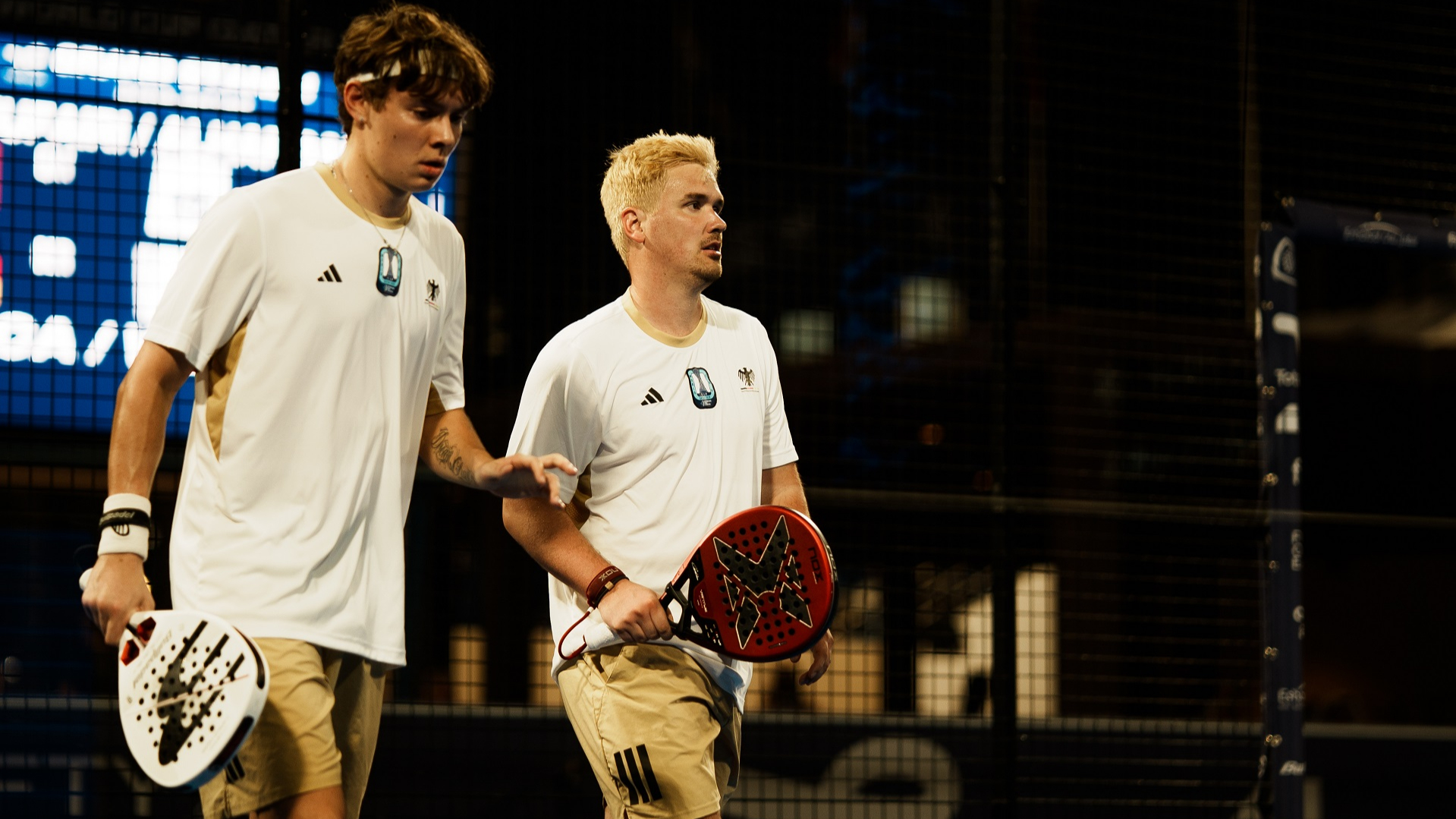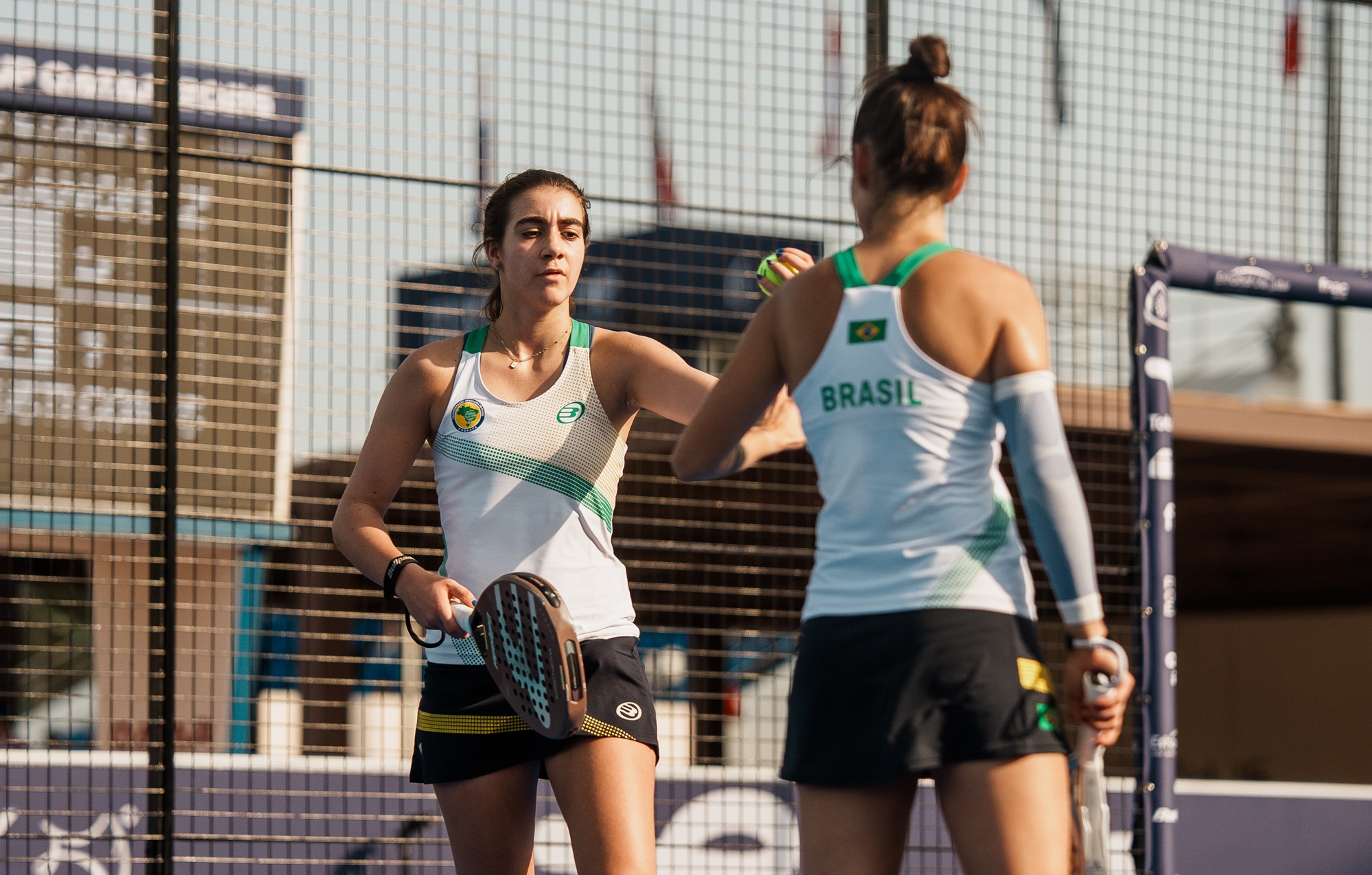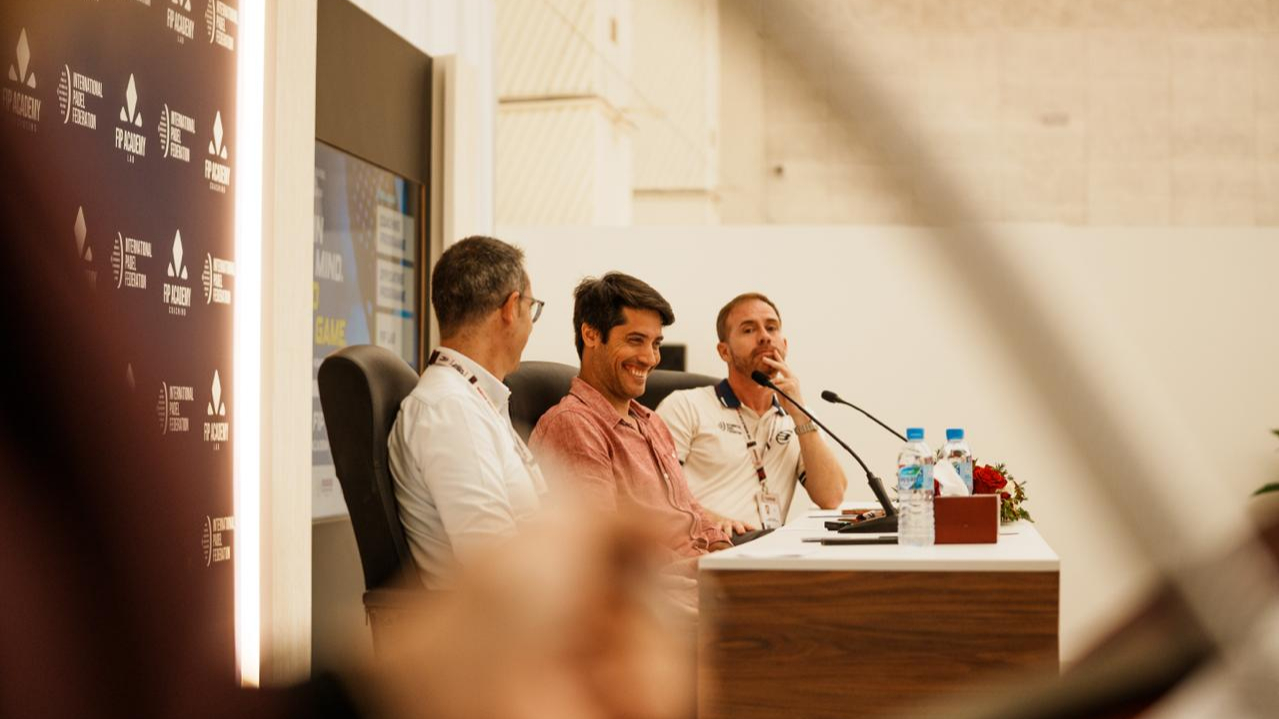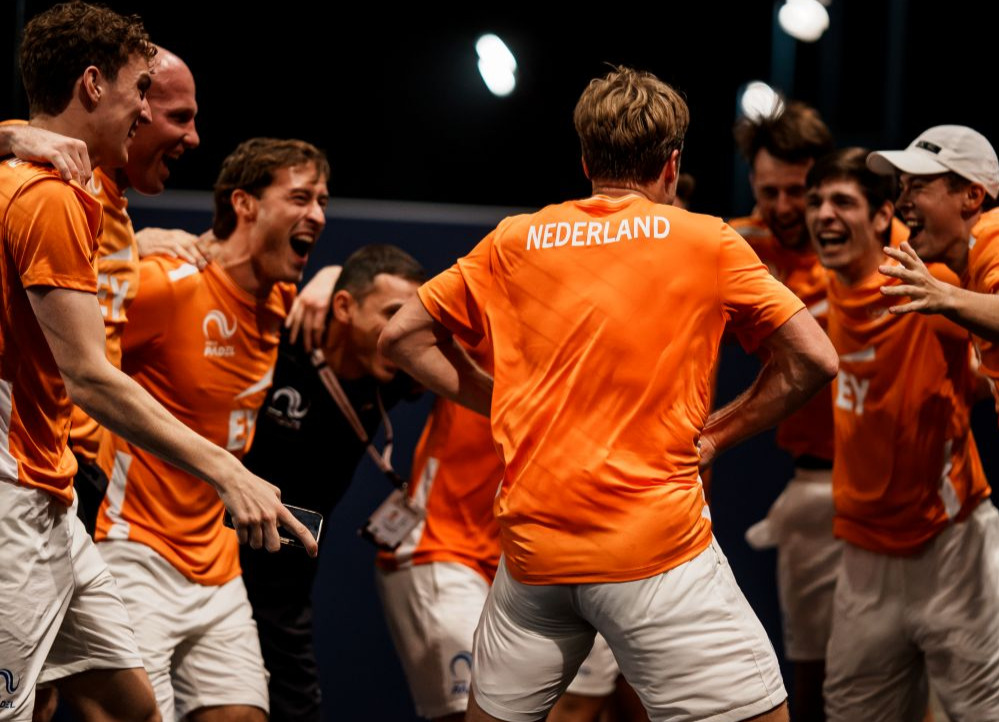
The Netherlands and Sweden have achieved a historic milestone at the FIP World Cup in Doha, with both their men’s and women’s teams advancing to the quarter-finals for the first time. This dual success highlights the rapid maturation of padel in these nations, driven by massive infrastructure growth and a strategic focus on team cohesion and youth development.
Key Drivers of Success in the Netherlands and Sweden
The rise of these two nations is not accidental; it is the result of deliberate strategies and structural growth. The following factors have been identified as central to their international breakthrough:
- Massive Infrastructure Investment: Both countries have cultivated a deep talent pool by building extensive facilities. The Netherlands currently ranks fifth globally with 4,040 padel courts, while Sweden follows closely with 3,750, providing the grassroots foundation necessary for competitive play.
- Emphasis on Team Unity: Coaches from both nations emphasize that collective spirit outweighs individual talent. Dutch men’s coach Pablo Moreno and women’s coach Milou Ettekoven both noted that their squads are defined by their ability to support one another during difficult match situations, making the group stronger than the sum of its parts.
- Strategic Youth Development: Sweden, in particular, has prioritized its junior pipeline. Success at the 2025 FIP Junior World Cup and the FIP Junior Euro Padel Cup has provided a clear path for young talent to transition into the senior squad.
- Integration of NextGen Talent: The senior Swedish teams are successfully blending experience with youth. Players like Juni Sjöland, Silje Kjaergaard, and Zoe Andersson have moved directly from junior podium finishes to becoming key contributors for the senior women’s team.
- International Exposure: Swedish men’s coach David Howe highlights that regular competition against high-level international opponents is essential. By gaining experience on the global circuit, younger players are maturing rapidly and preparing to take over leadership roles from veterans like Daniel Windahl and Simon Vasquez.
- Technical and Mental Growth: The Dutch teams have focused on holistic development. After finishing tenth two years ago, the Netherlands men’s team utilized their experience from the 2025 FIP Euro Padel Cup to build the mental resilience required to navigate the qualifying rounds and reach the quarter-finals in Doha.
By transforming their vast domestic popularity into high-level athletic performance, the Netherlands and Sweden have proven they are no longer just participants, but legitimate contenders on the world stage.