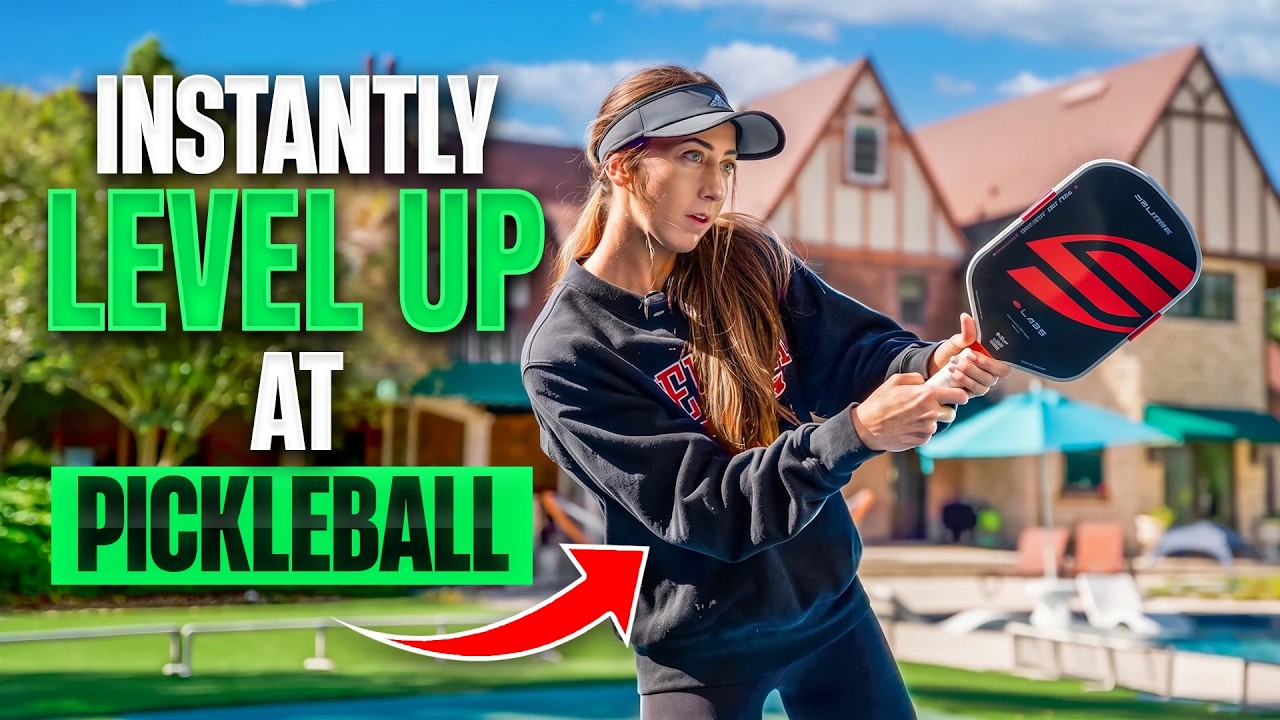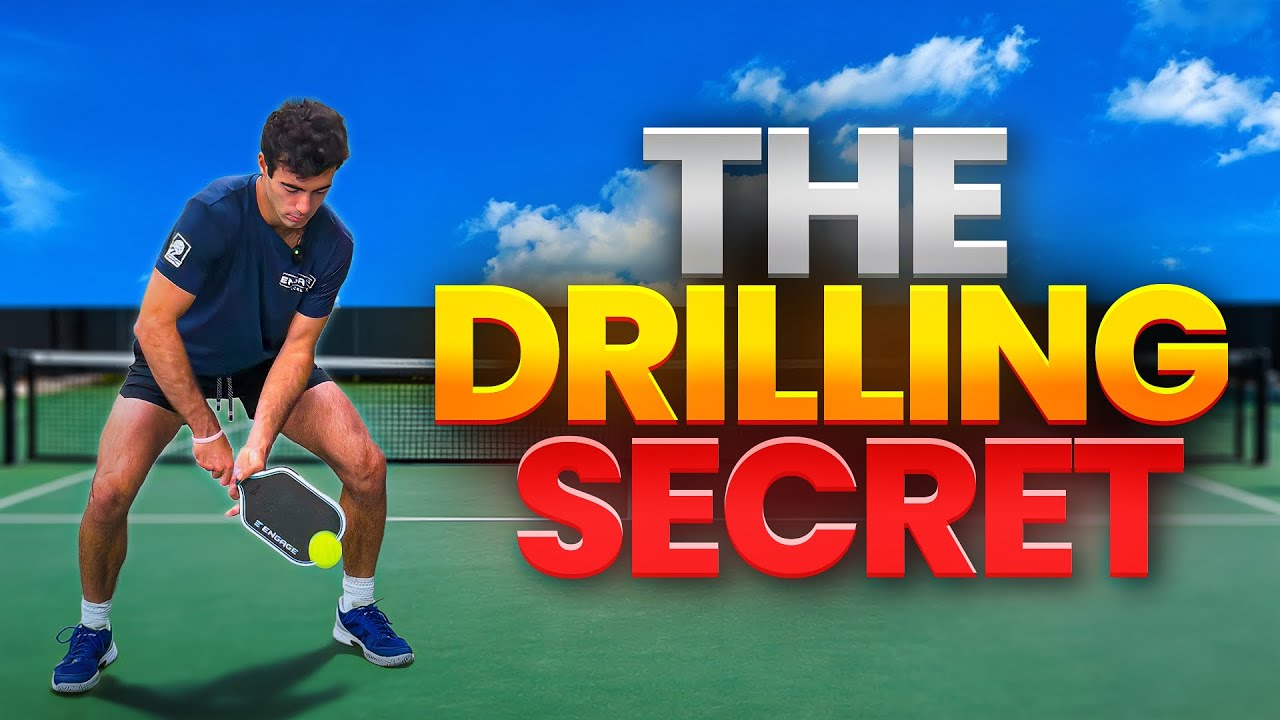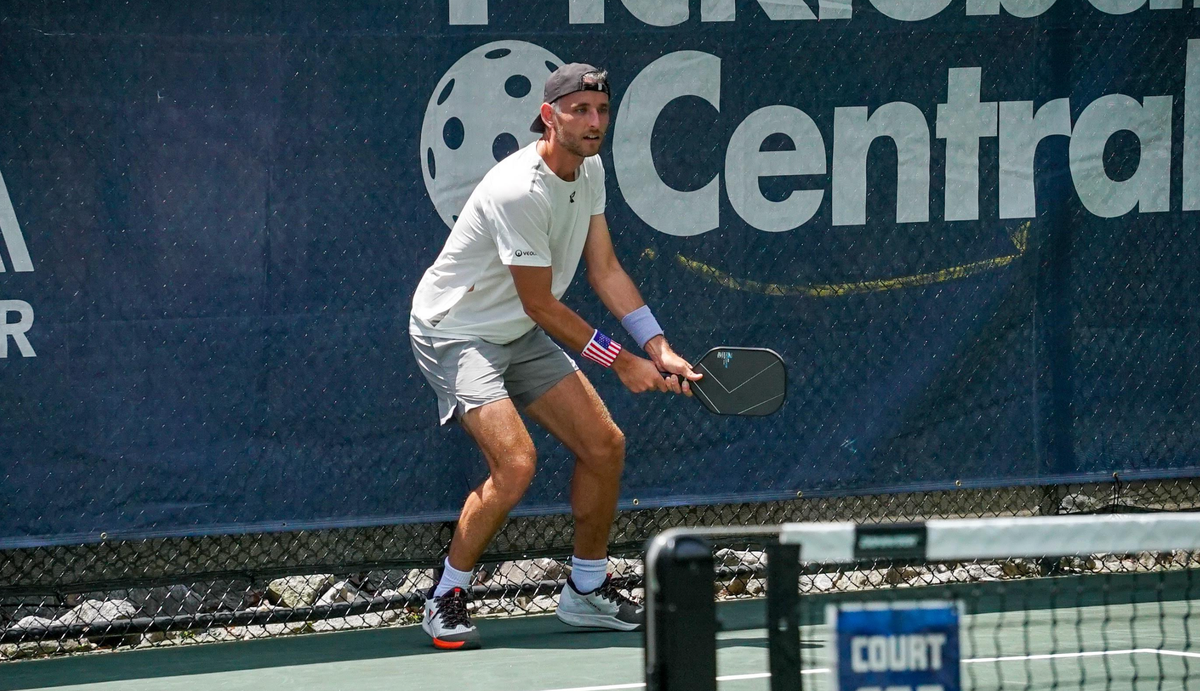
Pickleball players, particularly those at the recreational and amateur levels, are being encouraged to develop a two-handed backhand to improve their game and keep up with the increasing speed and power of the sport. The two-handed backhand, once a rarity in pickleball, has become a staple of top players, including Ben Johns, who has recently adopted the technique.
The benefits of a two-handed backhand are numerous, particularly in key areas of the court. At the kitchen, a two-handed backhand provides more stability and control, allowing players to counter aggressive dinks and speedups more effectively. Specifically, a two-handed backhand dink enables players to get closer to the ball with their feet and hit a topspin or aggressive dink back, rather than just a neutral or defensive dink. When countering, the two-handed backhand adds support and helps keep the paddle face stable, reducing the likelihood of shanking or popping up the counter.
Key Benefits of a Two-Handed Backhand
In addition to its benefits at the kitchen, a two-handed backhand is also advantageous in other areas of the court. Some key benefits include:
- Improved Resets: A two-handed backhand reset forces the paddle more in front, helping to absorb pace and prevent the paddle from getting too far behind, and also requires players to get lower to the ground, using touch to place the ball just in front of their opponents.
- More Control at the Baseline: Hitting a two-handed backhand drop or drip (a drop and drive hybrid) enables players to get the ball over the net and make it start dipping as it crosses the net, causing opponents to have to hit up on the fourth shot volley.
- Increased Versatility: A two-handed backhand provides more options for players, allowing them to hit a variety of shots, including topspin, aggressive dinks, and drops, and to adapt to different game situations and opponents.
- Reduced Dependence on Footwork: While footwork is still essential in pickleball, a two-handed backhand can help reduce the need for perfect footwork, allowing players to hit effective shots even when they're not in the ideal position.
- Improved Overall Game: By developing a two-handed backhand, players can improve their overall game, increasing their chances of winning and becoming a more competitive player.
As the game of pickleball continues to evolve, with increasing speed and power, players must be willing and able to adapt to stay competitive. Learning a two-handed backhand is an essential part of this adaptation, and can help players of all levels improve their game and achieve their goals.