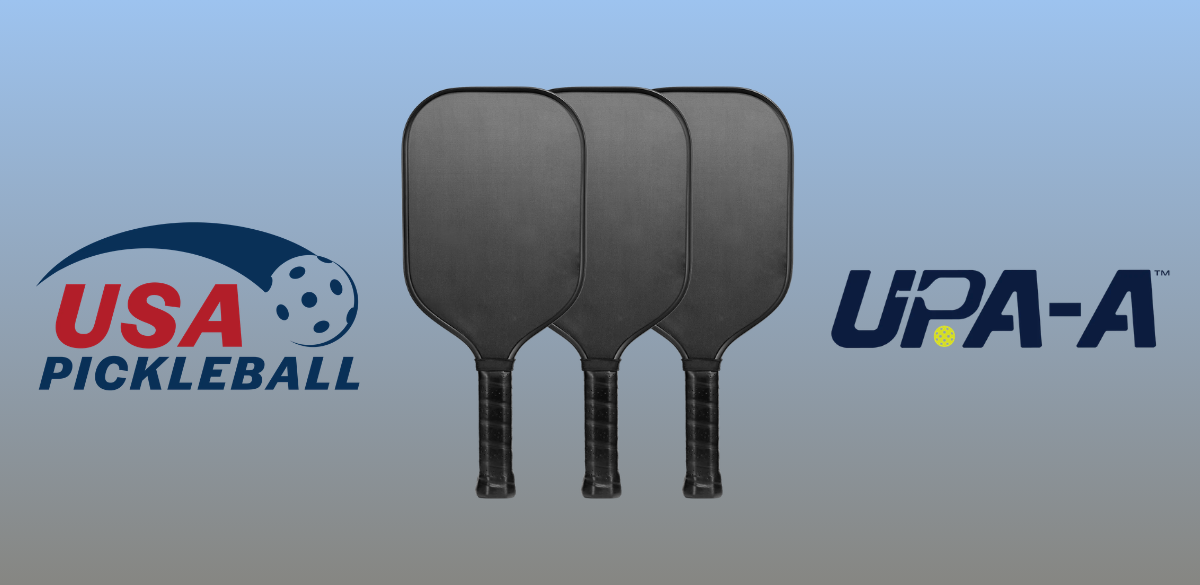
The USA Pickleball Association (USAP) has introduced a new Spin Rate Test, which measures the actual ball rotation and RPM produced by a paddle, with a cap of 2,100 RPM. This move brings USAP's certification process more in line with the United Pickleball Association of America (UPA-A), which has been using output-based spin testing since its launch.
The introduction of the Spin Rate Test is a significant development, as it marks a shift in USAP's philosophy from regulating what a paddle is made of to regulating what a paddle does. However, despite this change, the certification problem remains, with two key gaps between USAP and UPA-A's certification regimes. The first gap is the certification model, with USAP's model being a "certify-once" approach, where paddles are held to the standards of the period in which they were certified, whereas UPA-A's certification expires every two years and requires paddles to be resubmitted and pass again against current standards.
Certification Regime Gaps
The second gap is the testing process, with USAP testing paddles fresh, whereas UPA-A's testing includes destructive testing, which simulates real wear and measures the paddle after the break-in process. This difference in testing approach is significant, as it can catch paddles that may be legal when new but become illegal after break-in. For example, the JOOLA Gen 3 paddle passed USAP's fresh test but was later delisted when it was found to play hot after break-in.
UPA-A's testing process is more comprehensive, with a partnership with UMass Lowell's sports science team, which has experience in testing bats and balls for Major League Baseball. This team researches how balls interact with paddles, how they soften on repeated hits, and how that affects the testing itself. In contrast, USAP's testing process has been criticized for being less rigorous, with the example of the OWL paddle, which was provisionally approved despite not meeting the roughness requirement, and was later found to have high spin output.
The differences in certification regimes have significant implications for players, manufacturers, and the sport as a whole. A certify-once model can lead to a list of approved paddles that are not necessarily compliant with current standards, whereas a recertification model ensures that paddles meet current standards and are safe for play. The testing process is also critical, as it can catch paddles that may be illegal or unsafe, and provide a more accurate assessment of a paddle's performance.
In conclusion, while the introduction of the Spin Rate Test is a positive development, the certification problem remains, with significant gaps between USAP and UPA-A's certification regimes. Players, manufacturers, and the sport as a whole would benefit from a more comprehensive and rigorous certification process that ensures paddles meet current standards and are safe for play.