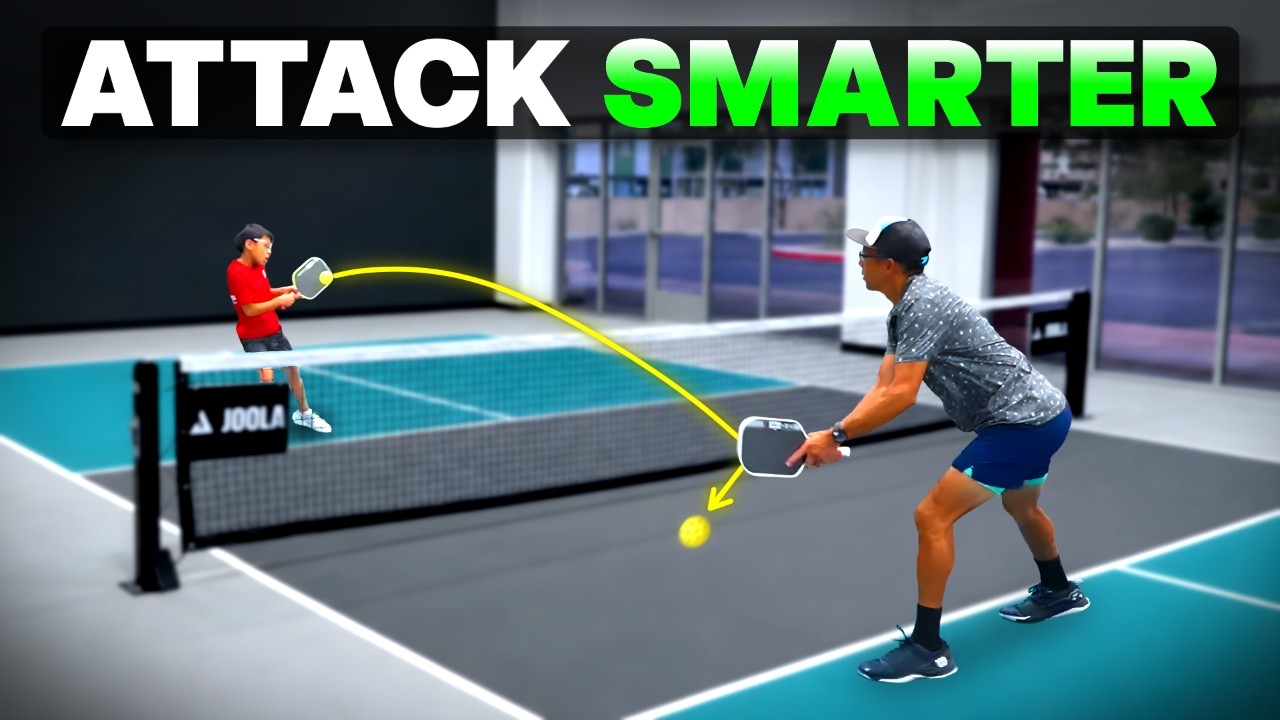
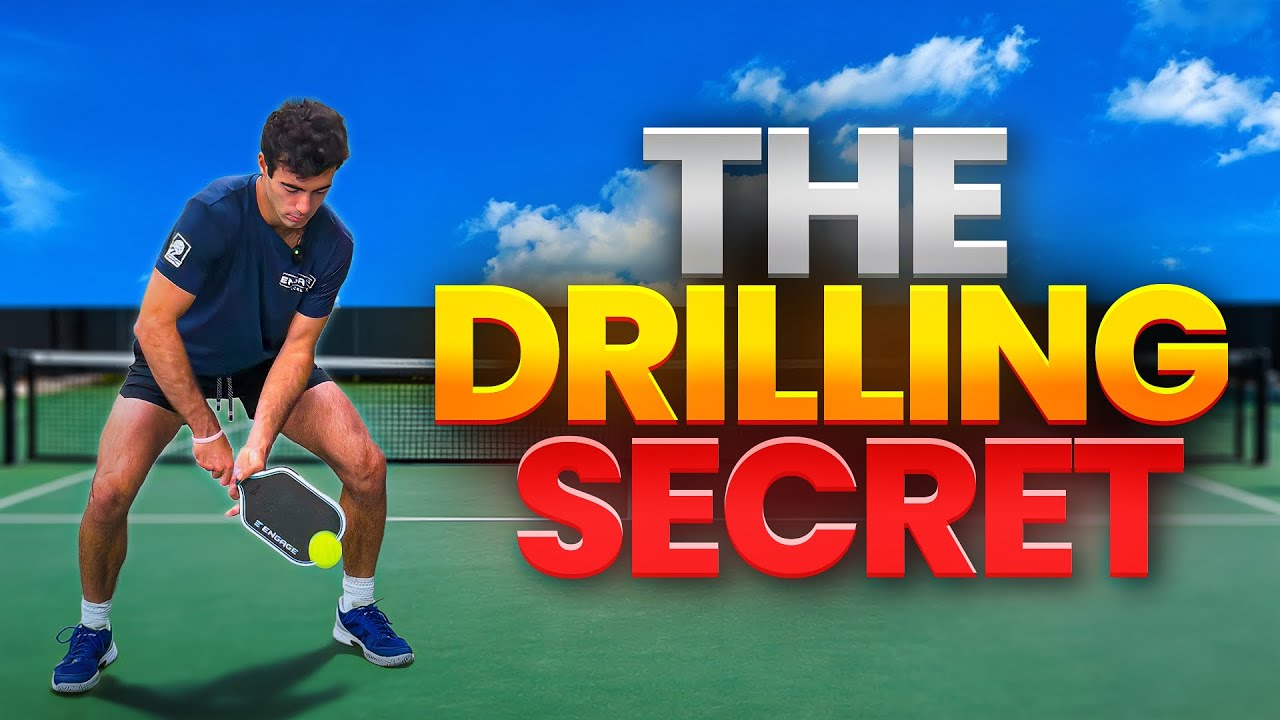
Pickleball players looking to elevate their game can learn from the strategies employed by professionals, particularly when it comes to the aggressive dink pattern. This pattern involves hitting a deep, uncomfortable dink to force a weak reply from the opponent, followed by a quick attack on the popped-up ball to create instant offense.
The aggressive dink pattern is a two-shot sequence that requires planning and execution. According to APP pro Tanner Tomassi, the first shot is an aggressive deep dink that troubles the opponents, and the second shot is a fast reach to flick the ball that comes back. This approach differs from neutral dinking, where the goal is simply to keep the rally alive, as every dink in this pattern is designed to elicit a weak reply.
Key Components of the Aggressive Dink Pattern
To master this pattern, players should focus on the following key components:
- Hit an Aggressive Dink With a Purpose: An aggressive dink is not just about hitting the ball harder, but rather placing it in a spot where the opponent cannot answer comfortably. The goal is to pull a weak reply, usually a ball that sits up a few inches too high, and then attack it.
- Read the Court and Pick the Trouble Spot: Before hitting the aggressive dink, players should identify the opponent's weakness and target that spot. This could be the player who is off balance, has their paddle low, or has just stretched wide on the previous ball. Picking the seam between two opponents can also be an effective strategy.
- Can You Anticipate the Popup Before It Happens?: Pros are not reacting to the popup, but rather anticipating it because they know their aggressive dink was good. Players should focus on developing this anticipation by watching their opponents' movements and preparing to attack the ball before it even leaves their paddle.
- Lean Into the Kitchen the Second You Hit: The biggest difference between pros and amateurs is what they do after hitting the aggressive dink. While amateurs stand up to admire their shot, pros are already moving in, leaning into the kitchen to shrink the distance to the ball and meet the popup while it's still rising.
By incorporating these key components into their game, players can develop a effective aggressive dink pattern that creates instant offense and sets them up for success. As Anna Leigh Waters and Ben Johns demonstrate, this pattern requires a combination of strategy, anticipation, and quick movement to execute effectively.
Players looking to improve their pickleball skills can also benefit from learning how to target the weaker player in doubles, as well as fixing common mistakes such as popping up dinks. By focusing on these areas and developing a strong aggressive dink pattern, players can take their game to the next level and start winning more matches.