To elevate your pickleball game, particularly in kitchen battles, understanding the nuances of the dink shot is crucial. According to Roscoe Bellamy, a top 10 pro, treating every pickleball dink as the same can lead to losing battles that should be won, as there are four distinct dink types, each with a specific role.
Understanding the Four Pickleball Dink Types
These dink types are designed to address different situations in a game, such as applying pressure, absorbing it, or maintaining court position. The four dink types are:
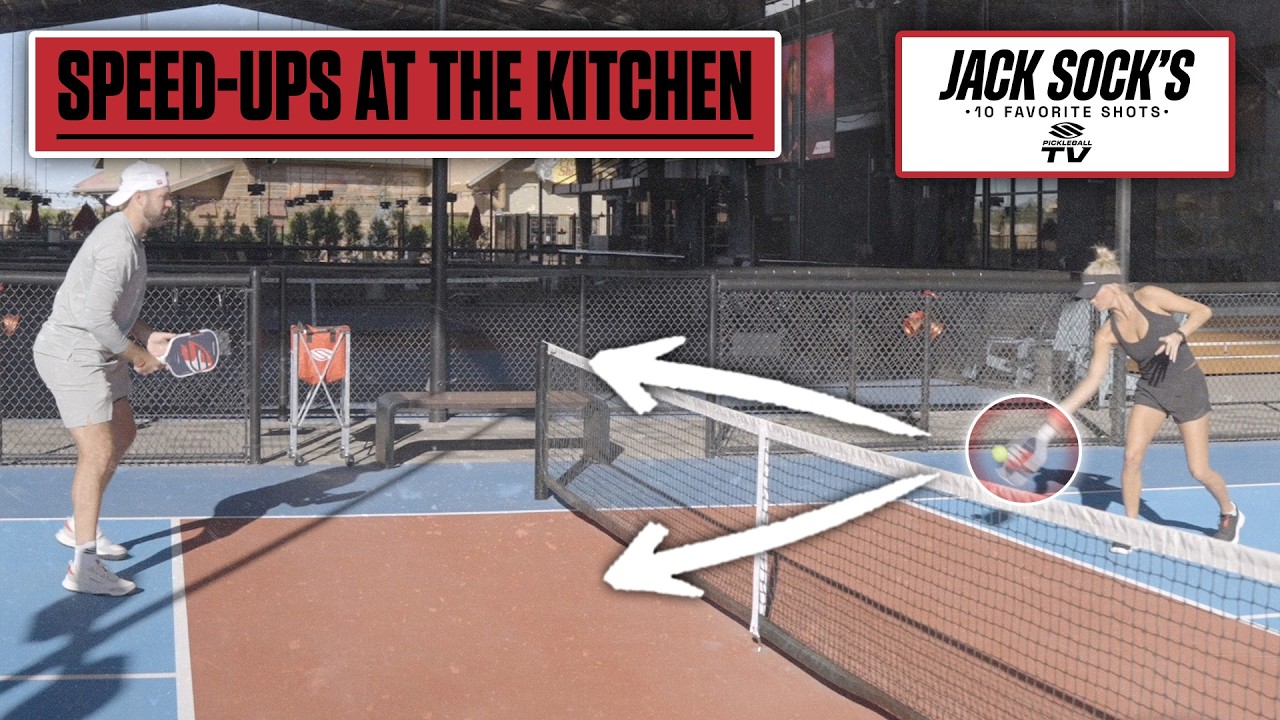
- The Slice Dink: Considered the neutral pickleball dink, it's used as a setup shot. The key to executing a slice dink involves locking the wrist, using the shoulder as the primary lever, keeping the arm straight, and extending the bottom edge of the paddle towards the target. This shot is not intended to win the point but to create openings for the next ball by keeping it low and moving the opponent around the kitchen.
- The Topspin Roll Dink: This is the aggressive option, making the kitchen feel smaller for the opponent. It's used when receiving a "dead dink," a slow and sitting ball with the player's feet set behind it. The roll dink involves a simple motion, locking the wrist and brushing up the back of the ball with the shoulders and legs, applying the same principles as generating topspin for drives but on a smaller scale. The real pressure comes from positioning after contact, leaning in to shrink the kitchen and being ready to take any sitting ball out of the air.
- The Dead Dink: This shot is used to reset a kitchen battle, neutralizing the opponent's pressure with a soft, shallow ball aimed at the middle. It's about slowing the ball down rather than swinging back harder when under attack. High-level players absorb the ball instead of panicking and answering with aggression. The dead dink involves aiming for the middle, where opponents have less angle to attack, and using the legs to get to the ball, keeping the arm quiet and catching the ball on the paddle.
- The Take-Out Dink: Although not detailed in the initial overview, understanding when to take the ball out of the air is a critical aspect of winning kitchen battles. This involves recognizing the right moment to be aggressive and finish the point, rather than letting the ball bounce and potentially giving the opponent an opportunity to recover.
Mastering these four dink types and knowing when to use them can significantly improve a player's ability to win kitchen battles. It's about understanding the situation and selecting the right tool for the job, whether it's to apply pressure, absorb it, or reset the battle. By incorporating these strategies into their game, players can elevate their performance and become more competitive, especially in high-pressure situations like kitchen battles.