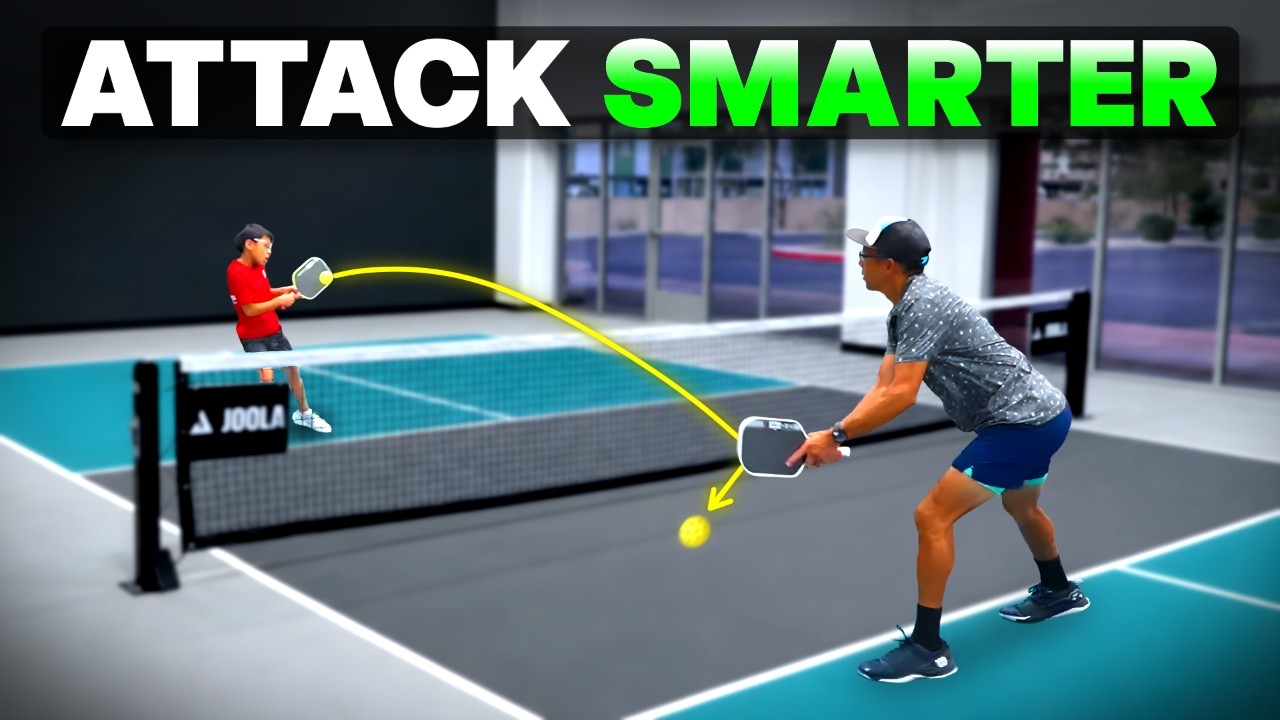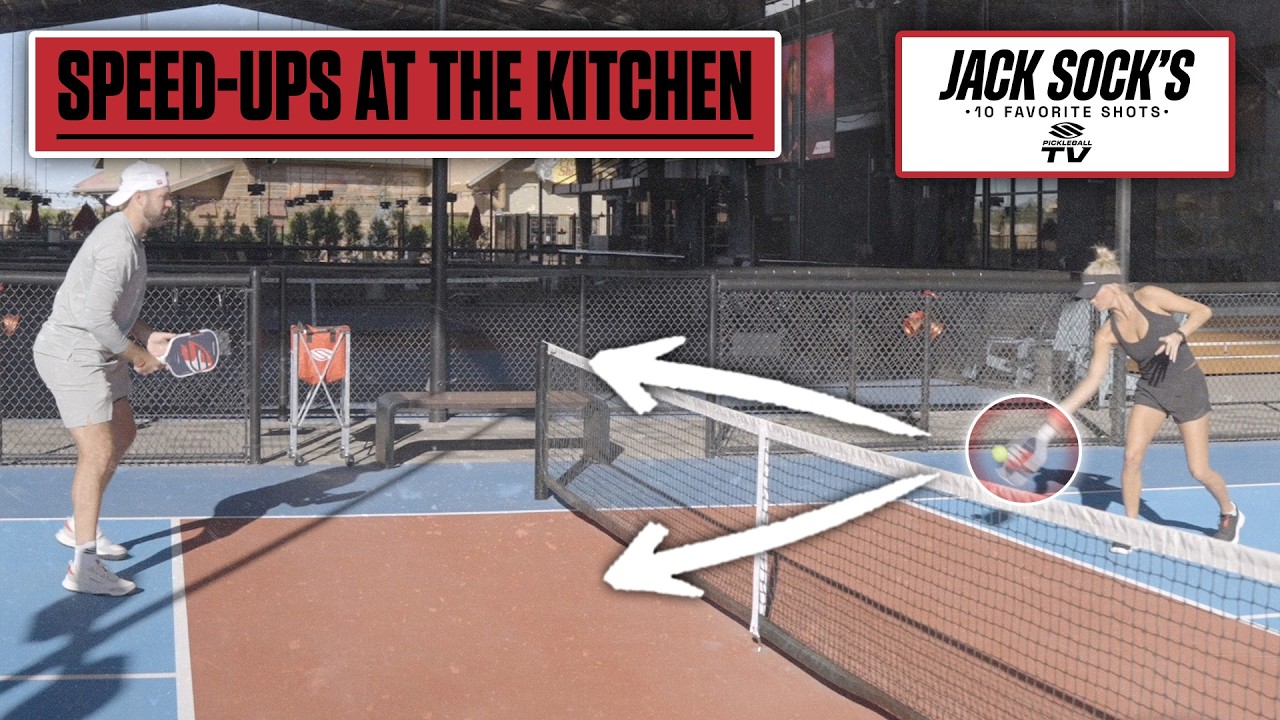
Pickleball players often misuse the speed-up shot, treating it as a point-ender, but according to professional player Jack Sock, this approach is outdated. The key to a successful speed-up lies not in hitting the ball harder, but in hitting it smarter, with a focus on timing, target, and strategy.
The traditional view of the speed-up as a point-ender is no longer effective, as players at the 4.5 and 5.0 level have developed the skills to counter hard contact. Instead, the speed-up should be used as a setup shot, aiming to force a bad position and create an opportunity for a winning shot on the next ball. To achieve this, players should focus on deliberate location and placement, rather than simply hitting the ball as hard as possible.
Key Strategies for a Successful Speed-Up
Jack Sock identifies two specific targets that can put opponents in uncomfortable positions: the hip and the shoulder. Hitting the ball into the hip or shoulder can limit the opponent's ability to extend, reset, and return the ball, creating a weak and readable response. The goal is not to hit the ball with pace, but to place it in a way that creates a vulnerable position for the opponent.
In addition to targeting, disguise is a crucial element of a successful speed-up. Players should aim to make their speed-up look like a dink for as long as possible, using the same stance, paddle preparation, and body position. This can be achieved by making the decision to speed up late and committing quickly, without telegraphing the shot through changes in movement, grip, or paddle position.
To determine when to attempt a speed-up, players should use the following checklist:
- Is the ball above net height when you make contact?
- Are you hitting it on your forehand side, where you have the most control?
- Is your opponent slightly out of position or leaning the wrong way?
- Do you have a specific target in mind before you swing?
- Are you ready for the ball to come back and already planning your next shot?
Finally, Jack Sock notes that the forehand is generally a more effective side for speeding up, as it allows for more paddle face control, wrist involvement, and angle variation. However, this doesn't mean that players should ignore their backhand; rather, they should focus on developing their backhand skills and building dinking patterns that allow them to get the ball to their forehand side when they want to attack.