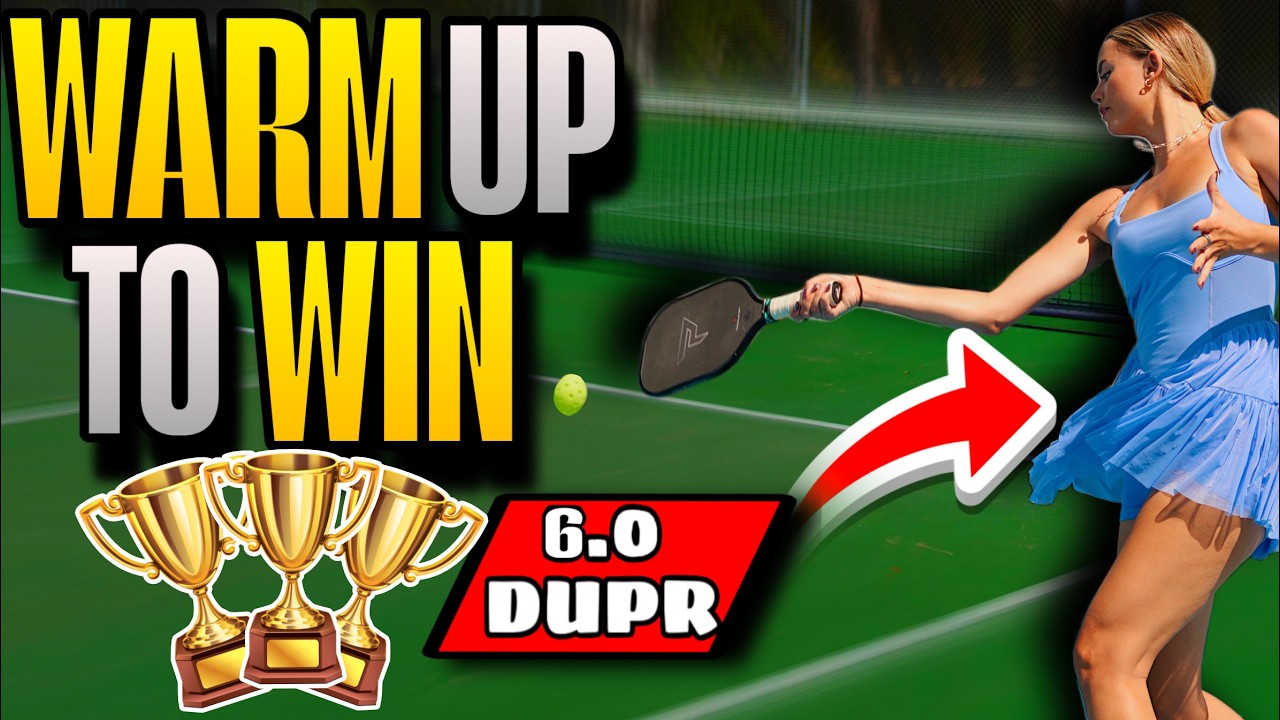
Ava Ignatowich, a PPA Tour professional, emphasizes the importance of a thorough warm-up routine in pickleball, which can make all the difference in feeling "locked in" from the start of a game. By following a 3-step pickleball warm-up routine, players can improve their performance and reduce the risk of injury.
The three distinct steps in this routine are: warm up your physical body, warm up your touch, and warm up your reaction time. Each step is crucial in preparing the body and mind for the game. The first step, warming up the physical body, involves a series of exercises to prepare the feet, ankles, calves, knees, hips, and spine for lateral movement and split steps. The exact sequence includes:
- Ankle circles: Lean against a fence or wall, extend one foot, and circle the ankle in both directions about 10 times each, repeating on both feet.
- Calf raises in three positions: Feet neutral, toes pointed inward, and toes pointed outward, with about 10 reps in each position.
- Toe heel walks: Walk heel to toe, back and forth, to warm up the full length of the foot.
- Knee circles (stanky leg): Roll out the knees in both directions before loading them with squats.
- Assisted squats: Hold the net or a fence for balance and drop into a squat with a few pulses, standing and repeating.
- Leg swings: Side to side and front to back, both legs, for hip mobility work.
- World's greatest stretch: Step into a deep lunge position and rotate each side, getting as low as the body allows.
- Walking lunges with rotation: Add a torso turn at the bottom of each lunge, then do lateral side lunges.
- Hamstring sweeps: Point the toe up, sweep the ground, step forward, and repeat.
- Knee to chest walks: Pull each knee up with both hands while walking forward.
- Spine mobility: Standing cat cow, arching the back and then rounding the spine.
- Wrist and forearm circles: Circle the wrists in both directions, then flex the wrist down and up repeatedly to prime the forearm tendons.
- Arm circles and shoulder loosening: Large backward arm circles, then moving into whatever shoulder rotation feels right.
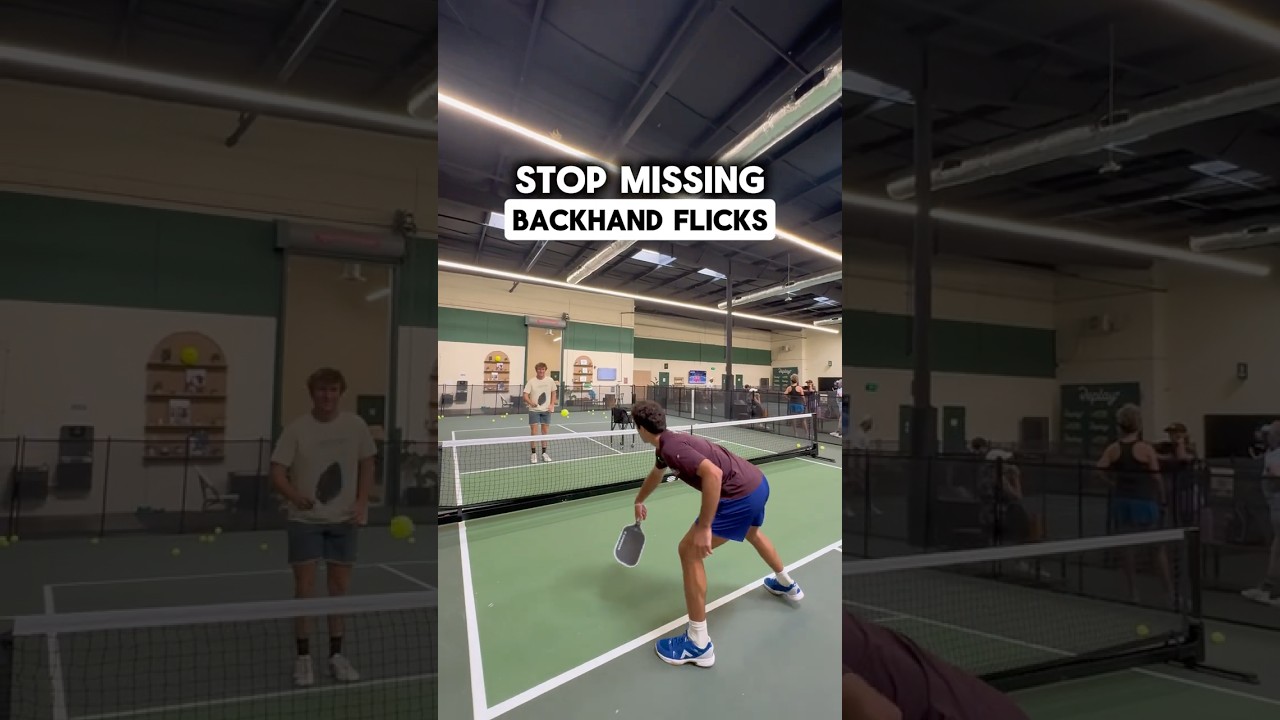
The second step, warming up the touch, refers to developing a soft, controlled paddle face that absorbs pace rather than redirecting it, which is essential for drops, resets, and dinks. To warm up the touch, players should use a moving drop and reset drill, starting at the baseline and dropping the ball toward the kitchen while moving forward. The partner meets the ball at the kitchen line and resets or counters it, and the player moves back, repeats, and works both directions continuously. It's also important to warm up putaways by having a partner feed attackable balls during the drill.
Conclusion
By following this 3-step pickleball warm-up routine, players can improve their performance, reduce the risk of injury, and develop a better touch and reaction time. Remember, warming up is not just about hitting a few balls, but about preparing the body and mind for the game. As Ava Ignatowich emphasizes, a good warm-up routine is essential for playing at your best, and by prioritizing it, you can take your game to the next level.