If your pickleball flick feels more like a slow, floating push than a sharp, aggressive attack, the issue likely isn't your swing—it's your setup. By adjusting the position of your paddle tip before you make contact, you can unlock the wrist snap necessary to turn a standard dink into a high-pressure weapon.
The Mechanics of the Tip-Down Setup
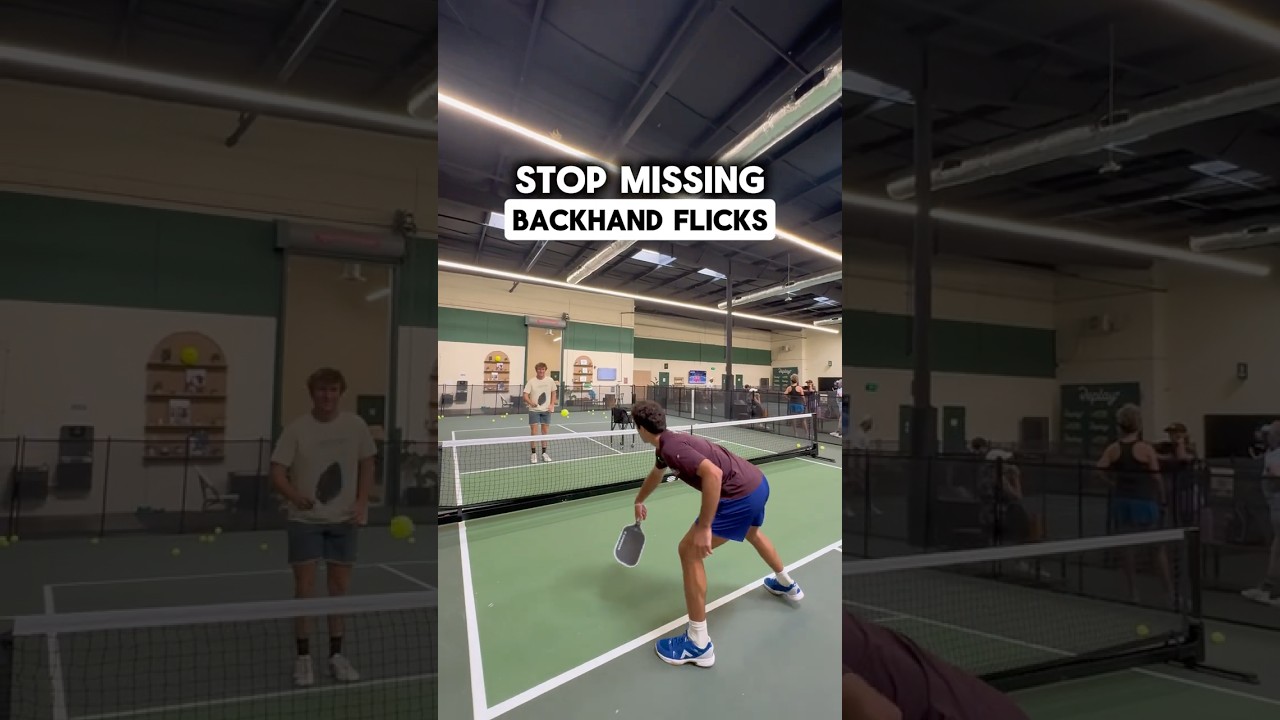
The pickleball flick is a wrist-driven shot executed at the kitchen line, designed to accelerate the ball past your opponent before they can reset. Many players struggle because they hold their paddle with the tip pointing up or level, which fully extends the wrist and eliminates the range of motion needed for a snap. According to insights from Richard Livornese, the key is to drop your paddle tip toward the ground before initiating your swing. This creates a "cocked" wrist position, acting like a loaded rubber band that stores energy to be released at the moment of contact.
To build the habit of this "tip-down" setup and ensure your flick has real bite, follow this four-step progression:
- Shadow reps with no ball: Perform 20 repetitions without a ball, focusing on dropping the tip and snapping your wrist forward. The movement should mimic the motion of cracking a whip rather than pushing a door.
- Feed yourself slow dinks: Have a partner feed you slow, knee-high dinks. Focus exclusively on your tip position during the setup phase, ignoring ball placement until the snap feels natural.
- Add targets: Once the snap is consistent, begin aiming for your opponent's hip or shoulder. The flick is most effective when directed at the body rather than into open court space.
- Mix it with real dinking rallies: Practice transitioning from standard soft dinks into a flick during live play, ensuring your setup remains subtle enough that you don't telegraph the shot to your opponent.
Beyond the tip position, grip pressure is the final piece of the puzzle. Even with the perfect setup, a tight grip will lock your forearm muscles and restrict your wrist movement. To achieve maximum snap, maintain a relaxed grip—think of holding a tube of toothpaste firmly enough to maintain control, but gently enough to avoid squeezing any out. By combining a low paddle tip with a loose, fluid grip, you create the necessary conditions for a fast, low-trajectory flick that forces your opponent to react under pressure.