5 min read · 1200 words · 4 images
Running a successful padel facility isn't just about booking times and selling gear. It is about the surface your members play on every single day. If you don't know how to maintain padel courts, you are burning money through premature turf replacement and losing members to clubs that offer a superior playing experience. Keeping your courts in pristine condition requires a mix of daily habits and professional interventions.
Daily Sweeping and Debris Control
The turf on a padel court is not just carpet; it is an engineered system that relies on sand infill to stand upright and provide the correct friction. If you let sand accumulate in corners or get pushed off the court, the fibers will mat down. Use a wide, soft-bristled broom every day. Start from the center and push outward.
Remove leaves, twigs, and other organic matter immediately. If organic debris breaks down, it turns into a slippery sludge that ruins the turf’s drainage capabilities. Do not use a leaf blower unless you are extremely careful; it is very easy to blow the sand infill right out of the court along with the leaves. Stick to the broom.
Managing Sand Infill Levels
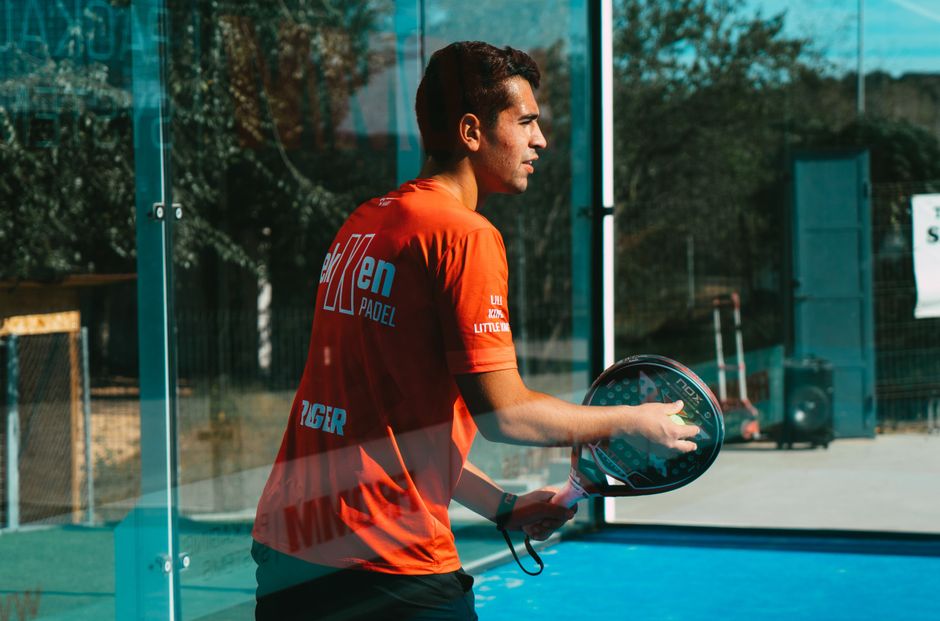
Uneven sand is the enemy of a fair game. Players notice immediately if the ball bounces differently in the center than it does near the glass. You need to inspect the court weekly. Look for areas where the sand is thinning out, usually around the service lines and the net.
Use a luter or a specialized brush to pull sand back into these high-wear zones. Consistency is everything. If the sand is too thin, the turf fibers will wear out prematurely. If it is too thick, the ball slides instead of gripping. Check the levels after any high-traffic tournament weekend.
Inspecting Glass Walls and Net Tension
Glass walls are the defining feature of padel. If they are loose, they vibrate, create dead spots, and can even pose a safety risk. Check every bolt once a month. Use a non-abrasive cleaner for the glass to keep visibility high. Fingerprints and sweat streaks are annoying for players who rely on reading the ball off the wall.
Net tension is another common failure point. A sagging net is a sign of a neglected facility. Tighten the cables weekly. If the net is worn or frayed, replace it. It is a cheap fix that makes a massive impact on the professional feel of your club. If you are looking for ways to upgrade your pro shop, check out our Custom Fiberglass Padel Racket to ensure your members are using gear that doesn't damage the walls.
A facility that looks maintained is a facility that commands higher membership fees.
Addressing Drainage and Moisture Issues
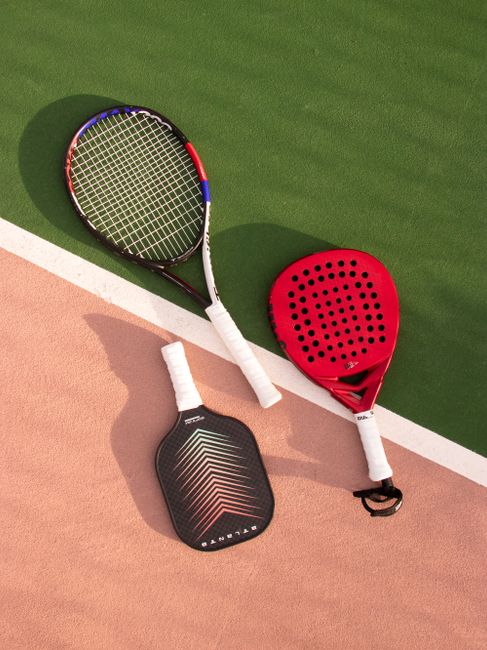
Water is the biggest threat to your court foundation. During the rainy season, you must keep the perimeter drainage channels clear of debris. If water pools at the base of the fence, it will eventually work its way under the turf backing.
Never allow play on a flooded court. Playing on wet turf forces sand into the backing material and accelerates fiber breakdown. If a storm hits, manually clear standing water as soon as the rain stops. The faster the turf dries, the longer it lasts. If you manage a larger club, consider using our pickleball events directory to cross-promote tournaments while your padel courts are under routine maintenance.
Professional Surface Grooming

Daily maintenance is great, but it isn't enough. You need a professional power brushing at least once a quarter. This process uses specialized equipment to decompact the turf fibers and redistribute the sand infill across the entire surface. Think of it as a deep tissue massage for your court.
During this cycle, have a professional inspect the seams. Turf tearing often starts as a small gap that gets worse with every step. Fixing a seam early costs a few hundred dollars; replacing a section of turf costs thousands. For more insights on running a club, keep an eye on our pickleball news section, which covers many facility-related trends.
Coordinating Gear for Facility Longevity
The equipment your members bring onto the court matters. Hard-soled shoes or non-marking shoes with aggressive treads can tear up the turf. Make it a house rule that players must use specific padel footwear. It saves your surface.
Furthermore, provide high-quality balls in your pro shop. Old, dead balls are often kept in play too long, leading to players hitting harder to compensate, which puts more stress on the court walls and net. Keep your inventory fresh. If you want to impress your members, we offer Custom Fiberglass Padel Racket + Bag sets that make excellent gifts for league winners or club regulars. Talk to us about bulk and wholesale branded pickleball orders for your next club event.