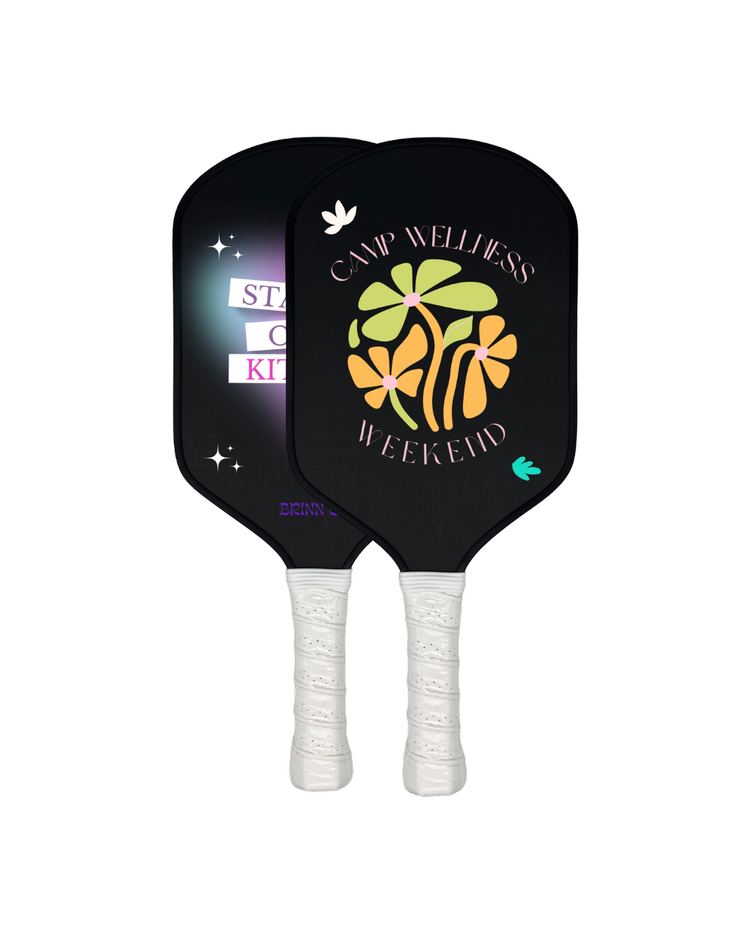
Salus Padel in Bradford has launched a pioneering initiative called Padel Pause, which uses the sport of padel as a bridge to break cultural taboos and foster open conversations about the menopause among South Asian women. By combining clinical health education with a low-pressure introduction to the court, the project aims to improve physical and mental wellbeing while dismantling barriers to exercise.
Why Padel is an Ideal Tool for Menopausal Health
Led by menopause specialist Bushra Effendi and physiotherapist Alisha Latif, the Padel Pause program emphasizes that movement during this life stage does not need to be intimidating. According to the experts involved, padel offers specific physiological and social advantages for women navigating hormonal changes:
- Low-impact bone loading: Padel is gentle on the joints while still providing the necessary weight-bearing activity required to maintain bone health, which is a critical concern during menopause.
- Cardiovascular and metabolic support: The sport involves short, intense bursts of movement that are highly effective for improving heart health, balance, and managing metabolic changes.
- Natural shoulder mobility: Padel encourages a natural range of motion in the shoulders. This is particularly beneficial for women experiencing menopause-related issues like frozen shoulder or general joint stiffness, as it provides a more engaging alternative to home-based exercises.
- Social connection and consistency: Because padel is inherently social, it encourages women to return to the court regularly. This social aspect helps combat the isolation that can often accompany the transition through menopause.
- Accessible entry point: By removing the pressure of competition, the program allows women—some of whom have not exercised in years—to view the court as a safe, supportive space rather than a daunting athletic environment.
The success of the pilot session highlights the broader mission of Salus Padel and Bene Leisure, who have pledged 100 hours of free court time and equipment per month to local schools and community groups. As owner Waseem Khan noted, the sport often serves as a secondary benefit to the primary goal of community building. For the women involved, the event provided more than just a workout; it offered a vital space to discuss sensitive topics like sleep, energy levels, mental health, and relationship changes, ultimately helping them reclaim their confidence and find a supportive "tribe."