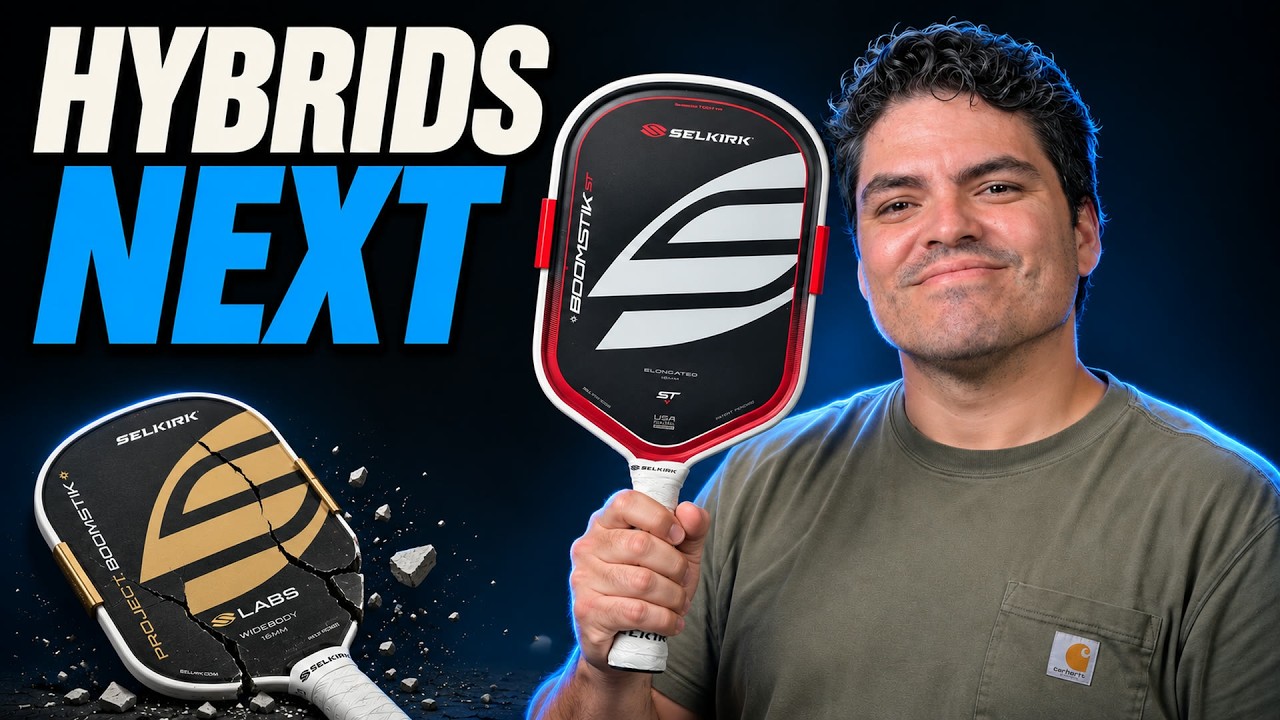
Selkirk is officially shifting its long-term strategy away from widebody paddles in favor of hybrid shapes, driven by consumer demand rather than performance data. While widebody designs remain statistically effective for playability, the company is prioritizing elongated and hybrid models to align with market preferences.
Understanding the Shift in Paddle Design
In a recent discussion on the YouTube channel Nico the Lefty, Selkirk’s Rob Barnes clarified that while the widebody paddle is technically excellent for its sweet spot and consistency, it is being phased out because elongated paddles outsell them by a margin of eight to one. Barnes compared the widebody to the "granny-style" free throw in basketball: it is statistically sound, but players avoid it due to aesthetics and trends.
The move toward hybrids is now viable because advancements in core and surface technology have minimized the performance trade-offs that once existed. Modern hybrids now offer the reach and spin potential of elongated paddles without sacrificing the forgiveness previously found only in widebody shapes.
To help players navigate the current market and avoid being swayed by passing trends, Barnes and industry experts suggest following these steps when selecting your next paddle:
- Prioritize your playstyle over shape: Decide first whether your game requires the forgiveness of a widebody or the reach and maneuverability offered by elongated or hybrid designs.
- Utilize adjustable weighting: Select a paddle that features movable weights, allowing you to tune the balance and power to match your specific swing mechanics.
- Verify tournament certification: Always check the requirements of the tournaments you frequent to ensure your chosen paddle is officially certified for play.
- Ignore social media trends: Avoid purchasing paddles based on viral shapes like the "flat top" hybrid, which Barnes characterizes as a cyclical fad rather than a technological necessity.
- Focus on core technology: Look for paddles that prioritize high-quality internal construction, as modern engineering has made the specific shape of the paddle less critical than the technology inside it.
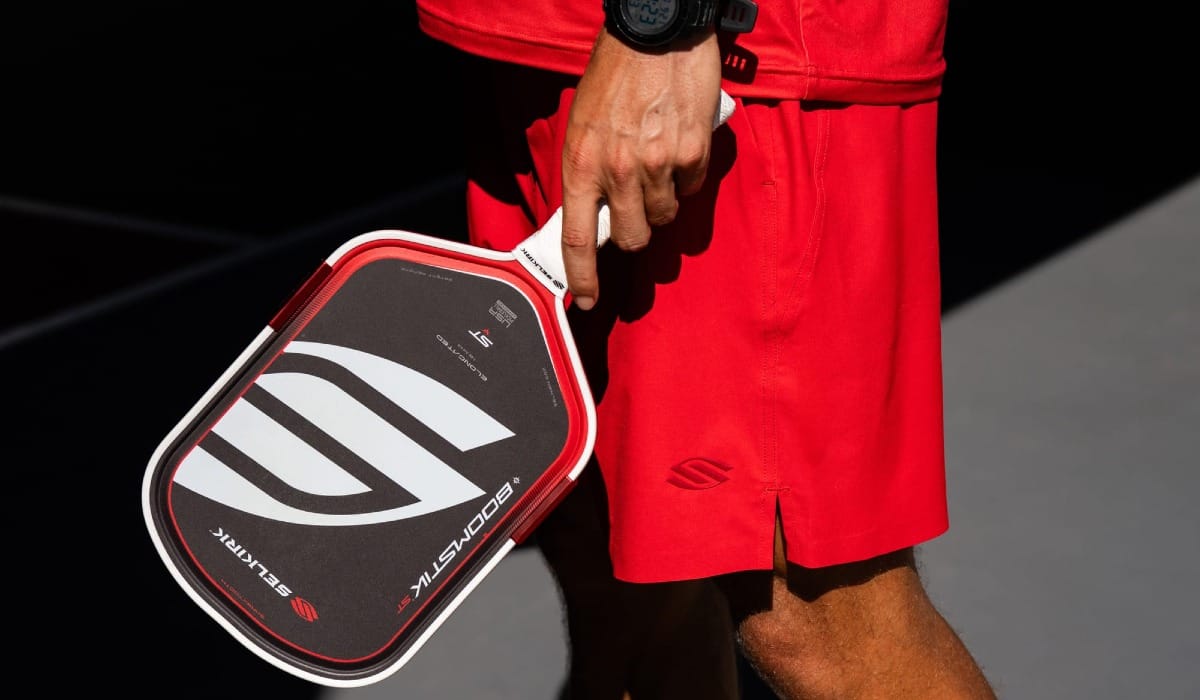
Looking ahead, Selkirk plans to anchor its lineup around the Boomstik for power and the Omni for all-court versatility. Barnes noted that these two models cover approximately 80 percent of player needs, with the Omni potentially being refined in the future to cater to players seeking a softer, more control-oriented feel.