While recent headlines suggest a cooling period for the pickleball industry, the sport’s underlying demand remains robust and continues to grow across all demographics. However, as the market matures, facility operators are discovering that high demand alone does not guarantee a profitable business, necessitating a focus on strategic location and operational excellence.
Building a Competitive Moat in the Pickleball Industry
To survive in an increasingly crowded market, club operators must establish a "competitive moat"—a sustainable advantage that protects their business from cheaper or newer competitors. Mary Cannon, co-founder of CityPickle, outlines the following strategies for building a defensible business model:
- Strategic Urban Positioning: By focusing on high-density urban environments where real estate is scarce, operators can tap into a massive population of players with disposable income. Unlike suburban areas where courts are easily replicated, urban locations create a natural barrier to entry.
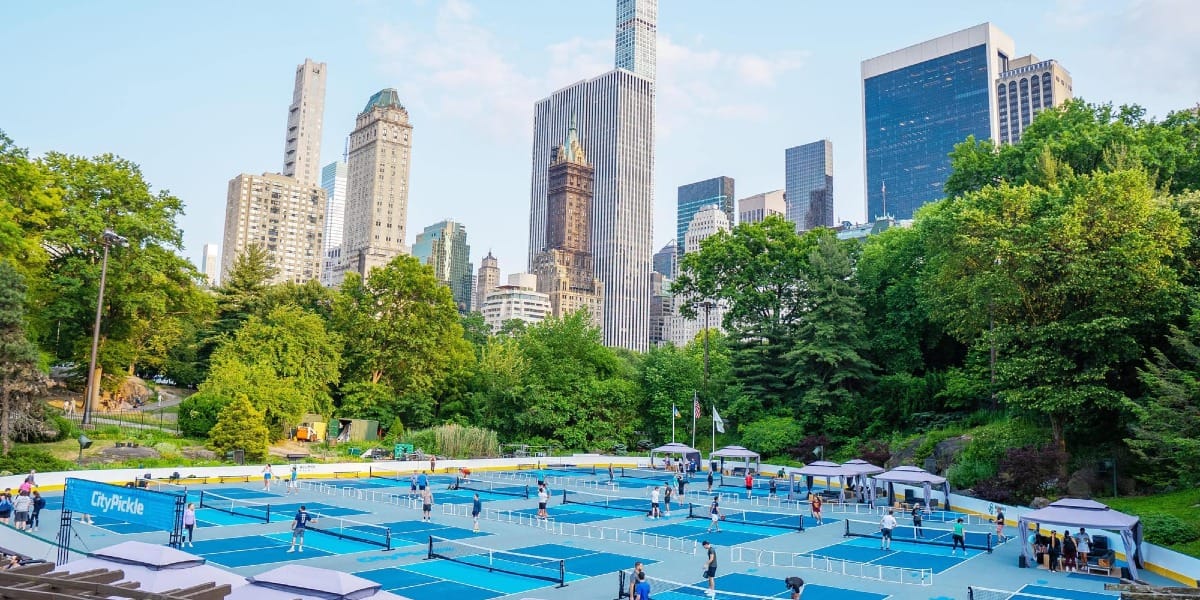
- High-Barrier Real Estate: Investing in unconventional, high-end locations—such as placing courts inside Class A office towers or iconic public spaces—makes a facility difficult for competitors to replicate. This often involves complex logistical hurdles, such as sound engineering, which serve as a protective layer for the business.
- Public-Private Partnerships: Winning competitive Request for Proposal (RFP) processes to operate in iconic, high-traffic locations creates a strong moat. These partnerships secure prime real estate that is essentially immune to local competition.
- Corporate Event Revenue: Leveraging urban locations to host corporate events provides a vital, high-margin revenue stream. Targeting cities with a high concentration of businesses allows clubs to maximize court utilization beyond standard recreational play.
- Exceptional Local Management: Success in suburban markets relies heavily on the operator's ability to cultivate a community. This includes recruiting top-tier local talent, creating tailored programming that drives court utilization, and managing ancillary revenue streams like pro shops and food and beverage services.
- Quality Programming: A club’s calendar is its most important asset. Thriving facilities differentiate themselves by offering high-quality, consistent programming that keeps players engaged and loyal, preventing them from defecting to cheaper alternatives.
- Brand Equity and Sponsorships: While a national franchise model may offer limited benefits regarding supply chain costs, a strong, recognizable brand can attract significant sponsorship revenue. Elevated branding and high-visibility locations turn a facility into a marketing asset for partners, creating a revenue source that is independent of court fees.
Ultimately, the article suggests that because pickleball facilities are hyper-local businesses driven by specific real estate and labor costs, the traditional franchise model may struggle to provide value. Without significant procurement advantages, the burden of success remains squarely on the shoulders of local operators who must prioritize community, programming, and a defensible business strategy to thrive.