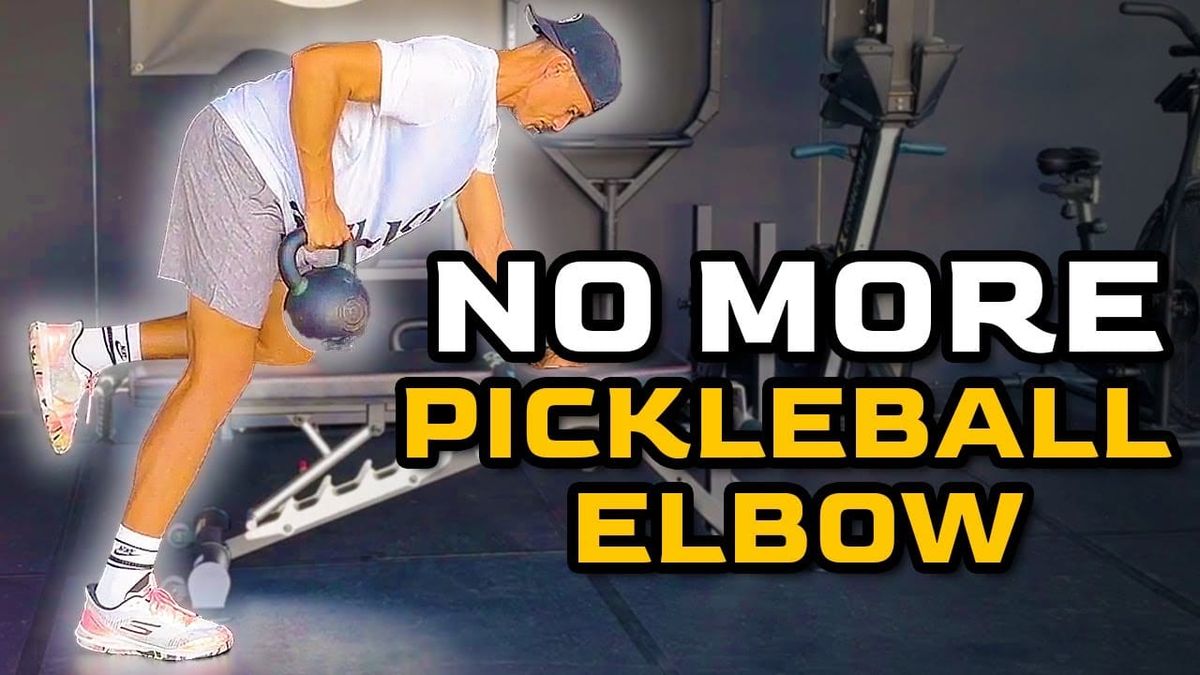
Pickleball elbow is frequently misunderstood as an inflammatory condition, but it is actually a tendinopathy caused by a lack of capacity in the tendon to handle the physical demands of the sport. Rather than resting, which leads to further tissue weakness, players must focus on a progressive loading strategy to rebuild the tendon's resilience.
The 4-Exercise Progression for Tendon Recovery
To move beyond temporary relief and address the root cause of your elbow pain, you must transition from passive rest to active, deliberate loading. These four exercises are designed to rebuild the tendon's ability to tolerate the high-speed, repetitive forces of pickleball:
- Isometric Holds: This is the starting point for pain management. By holding a weight in a static position, you create a contraction without moving the joint. This helps calm the nervous system and provides immediate pain relief without further irritating the tendon.
- Eccentric Loading: This involves focusing on the lowering phase of a movement. By slowly resisting the weight as you lower it, you stimulate the tendon to reorganize its collagen fibers and increase its structural integrity.
- Concentric Strengthening: Once the tendon can handle eccentric loads, you introduce the lifting phase. This builds the muscle and tendon strength required to handle the active, explosive movements of a match.
- Dynamic/Sport-Specific Loading: The final stage involves mimicking the actual demands of pickleball. This includes movements that replicate the rapid grip adjustments and high-frequency wrist extension seen during kitchen exchanges, ensuring the tendon is prepared for the specific stresses of the game.
It is important to understand why your current approach might be failing. Many players fall into a cycle of resting until the pain subsides, only to return to the court with a deconditioned tendon that is even less prepared for the volume of play than before. Furthermore, pickleball presents unique challenges that differ from tennis, such as the eccentric loading required during rapid-fire kitchen battles and the tendency to maintain a high, sustained grip pressure during speedups.
When adjusting your gear to alleviate symptoms, be cautious with the common advice to simply switch to a lighter paddle. A lighter paddle can actually increase vibration and encourage more wrist-heavy swings, which may exacerbate your condition. Instead, focus on these specific variables:
- Grip Size: Ensure your grip is not too small, as an undersized handle forces you to squeeze harder to prevent the paddle from rotating in your hand.
- Paddle Balance: Be aware that head-heavy paddles require more forearm effort to control.
- Face Stiffness: Consider using a paddle with a softer face, which provides more dwell time and is generally gentler on the arm.
- External Factors: Recognize that cold or "dead" balls transmit significantly more shock through the paddle and into your forearm upon impact.