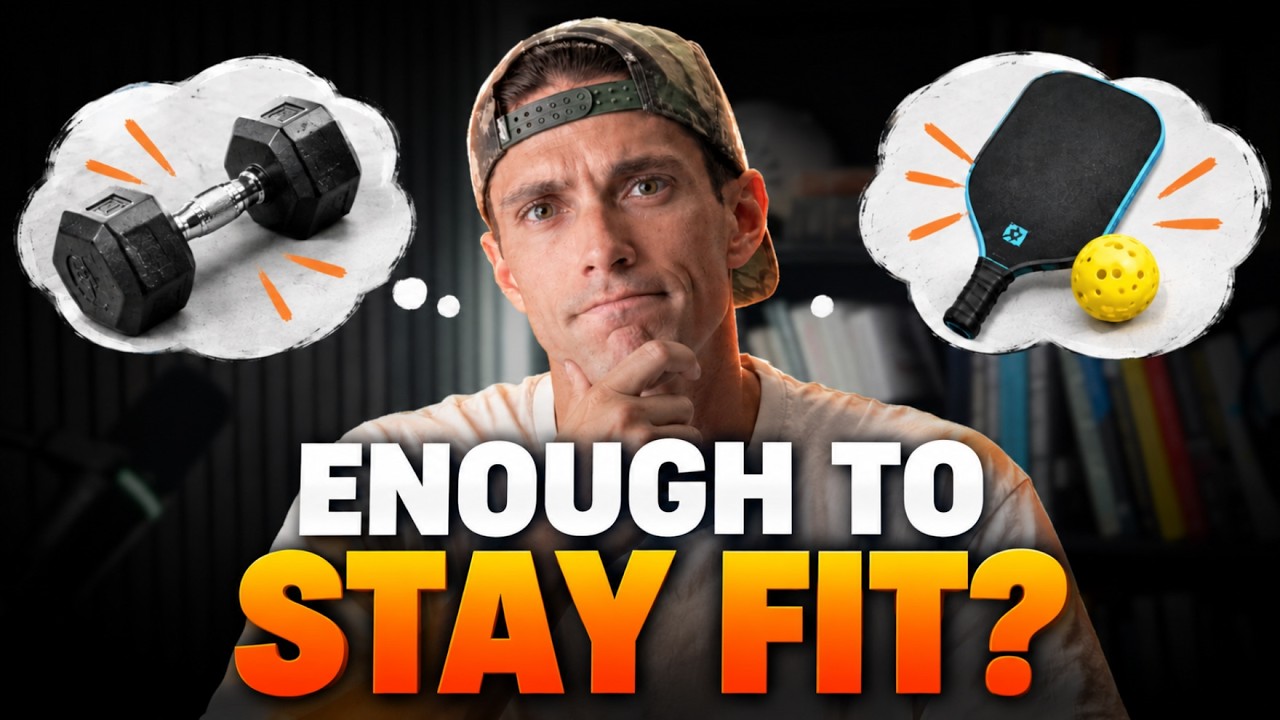
While pickleball is an excellent entry point for physical activity, relying on it as your sole form of exercise may leave significant gaps in your long-term fitness. According to insights from trainer Connor Derrickson, while the sport provides legitimate cardiovascular benefits, it eventually hits a plateau where it no longer challenges the body enough to trigger further adaptation or strength gains.
Addressing Your Fitness Gaps
Research indicates that while pickleball keeps your heart rate in the moderate intensity zone—meeting aerobic guidelines for many players—the stop-and-start nature of the game prevents the sustained effort required to build true athletic capacity. Because rallies typically account for only 20% of total playtime, the body does not face the consistent strain needed to improve. To maintain health, prevent injury, and stay competitive, you must supplement your time on the court with targeted off-court training to address these two primary gaps:
- Building Strength: Playing pickleball, even five days a week, does not equate to a strength-training regimen. The sport only maintains the muscle capacity required for the game itself, rather than building the reserve strength needed to protect your joints. Health organizations recommend at least two days per week of dedicated, full-body muscle-strengthening exercises. Focusing on the hips, glutes, and legs is essential, as weaker lower-body muscles are directly linked to higher injury risks and slower recovery times.
- Speed, Agility, and Balance: While you move your feet during a match, pickleball serves as a test of your existing footwork rather than a method to improve it. As players age, qualities like lateral quickness, the ability to start and stop abruptly, and single-leg balance naturally decline. To combat this, you must incorporate specific speed and agility drills into your routine that train your body to handle rapid changes in direction and stability, which the game itself does not sufficiently challenge.
Ultimately, pickleball is a fantastic tool for those transitioning from a sedentary lifestyle to an active one, as the social and fun aspects make it highly sustainable. However, once you become accustomed to the physical demands of the court, you must look beyond the game to ensure your body remains resilient. By adding dedicated strength and agility training to your schedule, you can protect your longevity in the sport and continue to perform at your best.