Somewhere between 2021 and now, pickleball stopped being a quirky retirement community sport and turned into the activity that everyone at your company has an opinion about. The skeptics, the converts, the people who played it at their cousin's wedding and got a little too competitive about it. Sound familiar?
That shift is backed by some pretty striking numbers. According to the Sports and Fitness Industry Association, 24.3 million Americans played pickleball in 2025, up 171.8% over just three years. That's not a niche trend. That's a sport that has found its way into the lives of a huge chunk of working-age Americans and isn't going anywhere.
So why are HR teams and corporate wellness managers increasingly paying attention to this? The short answer: it works. The longer answer is worth getting into.
First, the numbers you'll want to know
Before getting into the workplace angle, it helps to understand just how fast this sport has moved. A few stats worth bookmarking:
24.3 million Americans played pickleball in 2025, per the SFIA
171.8% growth in participation over the past 3 years
Nearly 4.5 million new players added in a single year (2024 to 2025)
35 average age of a pickleball player (and dropping)
82,600+ pickleball courts currently in the U.S. and counting
$2 billion+ global pickleball market valuation in 2026
The demographic shift is one of the more interesting parts. The 25 to 34 age group is now the largest segment of players. That's the same age group filling corporate offices, joining Slack channels, and making up a big portion of the workforce companies are actively trying to retain. And according to SFIA, casual participation, defined as playing just a few times a year, hit 16.8 million people in 2025. That means tens of millions of people who aren't die-hard players still have at least some connection to the sport.
Why this matters for employee wellness
Corporate wellness has had a credibility problem for years. Gym membership reimbursements that nobody uses. Step challenges that turn into passive-aggressive Slack threads. Meditation apps that get downloaded once and forgotten.
Pickleball sidesteps most of that because it's actually fun. And that's not a fluffy thing to say. It's measurable. Companies that have added it to their wellness offerings consistently report higher participation rates than traditional programs.
Part of what makes it work in a workplace context is the accessibility. Most competitive sports naturally tilt toward people who are younger, more athletic, or already familiar with the activity. Pickleball is genuinely different. It takes about 20 minutes to learn the basics, the court is small, the pace is manageable, and someone who's never played a racquet sport in their life can rally back and forth with a seasoned player within a session or two.
That matters for wellness programming because it means you're not accidentally creating a perk that only appeals to the most athletic people in the office. Inclusive sports tend to actually get played.
The team-building piece is real, not just marketing copy
There's a version of "team-building" that exists purely as a line item on a budget. And then there's the kind that actually changes how people work together. Pickleball tends to fall into the second category, and the reason isn't complicated.
Doubles format puts two people on the same side of the net. You have to communicate, cover for each other, call shots, and shift your position based on what your partner is doing. That's not a metaphor. It's literally how the game works. And it turns out that doing that together on a court for 45 minutes tends to carry over into how people interact back at their desks.
There's also the between-game aspect. Pickleball has a natural rhythm of short bursts of play followed by quick breaks. Conversations happen. People who've never really talked outside a meeting room end up chatting about the shot that just went out or the rally that lasted way too long. Those interactions matter more than most companies give them credit for.
What does a corporate pickleball program actually look like?
There's no single format here, which is part of what makes it flexible. Some companies are negotiating group memberships at local pickleball clubs, which gives employees access to courts as a benefit they can use on their own time. Others are booking courts and running lunchtime sessions or after-work brackets. A few are bringing in portable nets and running events in parking lots or large common areas.
The common thread in the ones that work: consistency. A one-time event gets some energy and then fades. A recurring weekly or biweekly session builds into something employees actually plan around.
Internal leagues with standings are another level up from that. When people have a reason to keep showing up, they do.
Branded gear: the part that makes it stick
One thing worth mentioning if you're thinking about a corporate pickleball program from an event or wellness angle: gear matters.
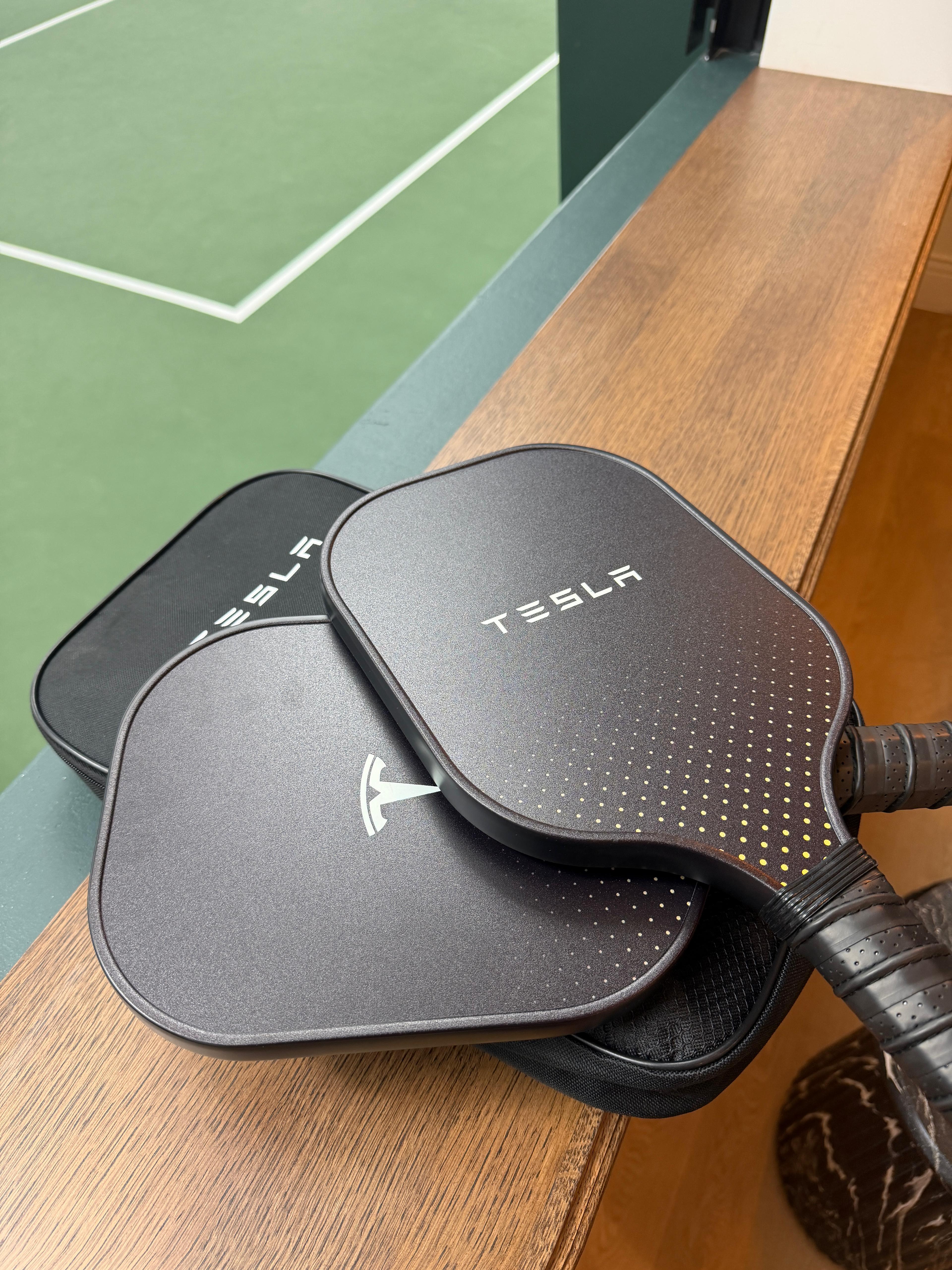
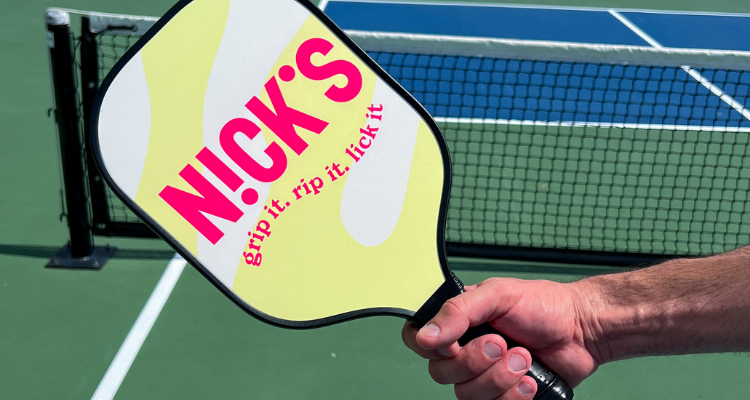
Providing equipment lowers the barrier to entry for people who haven't played before and removes the "I don't know what to bring" excuse. More importantly, when that equipment is customized with your company's brand, it doesn't stay at the office. People take paddles home. They use them. Every time they do, they're reminded of a positive experience tied to where they work.
That's a pretty different outcome than a branded tote bag sitting in a closet. A paddle someone actually plays with is a piece of gear that stays in rotation for years. The difference is utility. The best branded merchandise is stuff people would actually want even if the logo weren't on it.
Custom paddles for wellness events, tournaments, or new hire welcome kits hit that mark in a way most corporate swag doesn't come close to.
Is pickleball good exercise? (People ask this a lot.)
This comes up constantly, especially for people who see their coworkers raving about pickleball and wonder if it's actually doing anything fitness-wise.
The short answer is yes, meaningfully so. Apple's Heart and Movement Study found that pickleball players average a peak heart rate of around 143 beats per minute during play, which puts it in legitimate cardiovascular exercise territory. A typical game involves a lot of lateral movement, quick bursts, and sustained activity broken up by short rest periods, which is actually a decent structure for aerobic conditioning.
Beyond the physical side, the social and mental aspects of the game aren't nothing. Regular movement, time away from screens, interaction with other people in a low-stakes setting. Those all contribute to the kind of employee wellbeing that shows up in retention data and engagement surveys.
The bigger picture
Pickleball's growth isn't slowing down. The global market for the sport is projected to cross $9 billion by 2034, up from about $2.2 billion today. Courts are being built at a record pace. Major League Pickleball has signed TV deals. The International Federation of Pickleball now spans 78 countries.
None of that means every company needs to build a court in the parking lot. But it does mean that pickleball has landed in the mainstream in a way that most sports trends don't. And for HR and wellness teams looking for something that employees will actually show up for, the timing is pretty good.
The sport is already part of the cultural vocabulary for a huge slice of your workforce. Meeting them there is a lot easier than trying to convince them that an app or a step challenge is worth their time.
Planning a corporate pickleball event or wellness program?
Branded Pickleball prints custom paddles, bags, and balls for corporate events, HR teams, and company swag programs. All printing is done in the U.S. with a standard 3-5 business day turnaround. Reach out at sales@brandedpickleball.com and let's talk through what you need.