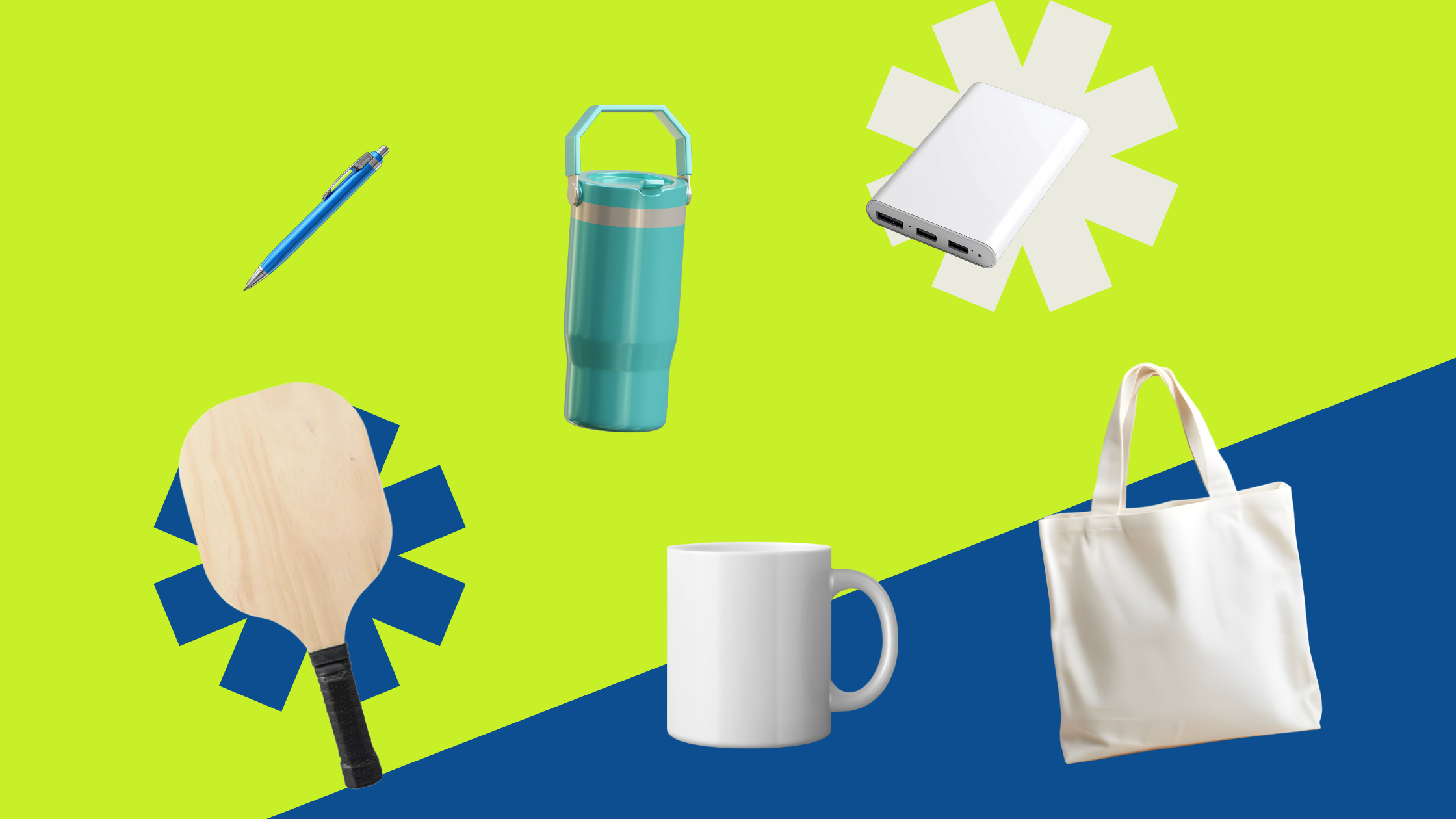
Branded merch sounds harmless. It's free stuff. A pen, a tote, a t-shirt with your logo on it so people remember you.
But cheap swag doesn't just fail to impress. It actively hurts your brand.
Everyone has a mental highlight reel of bad promotional products. Pens that barely write. Tote bags that rip on the walk back from a conference. Shirts so stiff and itchy they get worn once and then disappear. When that happens, people don't think "oh well, it was free." They think about the brand that gave it to them.
And the data shows those moments matter.
Cheap Swag Sends the Wrong Brand Message
People don't separate swag from the brand behind it. In their mind, it's all connected.
According to the Advertising Specialty Institute (ASI), 85 percent of consumers remember the advertiser that gave them a promotional product, and 52 percent say their impression of a brand improves after receiving a quality item.
That last word matters.
When something feels flimsy or disposable, it signals low standards, whether that's fair or not. That's why brands like Nike are careful about what they put their logo on. When Nike hands something out, it feels like a real product, not a throwaway.
Bad Swag Creates Long-Term Negative Impressions
Promotional products stick around longer than most ads.
ASI reports that 81 percent of consumers keep promotional items for more than a year, and that swag generates more impressions per dollar than almost any other marketing channel. That's a huge opportunity.
It's also a risk.
If the item is annoying to use, those impressions turn negative fast. A leaking water bottle or a charger that barely works creates hundreds of small moments of frustration, all tied back to your brand.
This is where companies like Google get it right. Their hoodies, backpacks, and desk gear are genuinely useful and comfortable. People keep them for years, which means Google's brand shows up in everyday life in a positive, effortless way.
Less useless gifts, more experience focused swag
Low-quality swag often never gets a chance.
According to the Promotional Products Association International, 42 percent of consumers say usefulness is the number one reason they keep promotional items. If something isn't useful, durable, or visually appealing, it gets tossed fast.
That's why more brands are rethinking what "useful" actually means.
Instead of another pen or stress ball, they're choosing items tied to hobbies, activities, or experiences people already enjoy. Things that live outside a desk drawer. Items people actively choose to use, not just tolerate.
Sports and recreation gear is a good example. A well-made item that someone brings to a court, a park, or a weekly game creates repeated exposure in a positive, social setting. It feels less like advertising and more like part of someone's lifestyle.
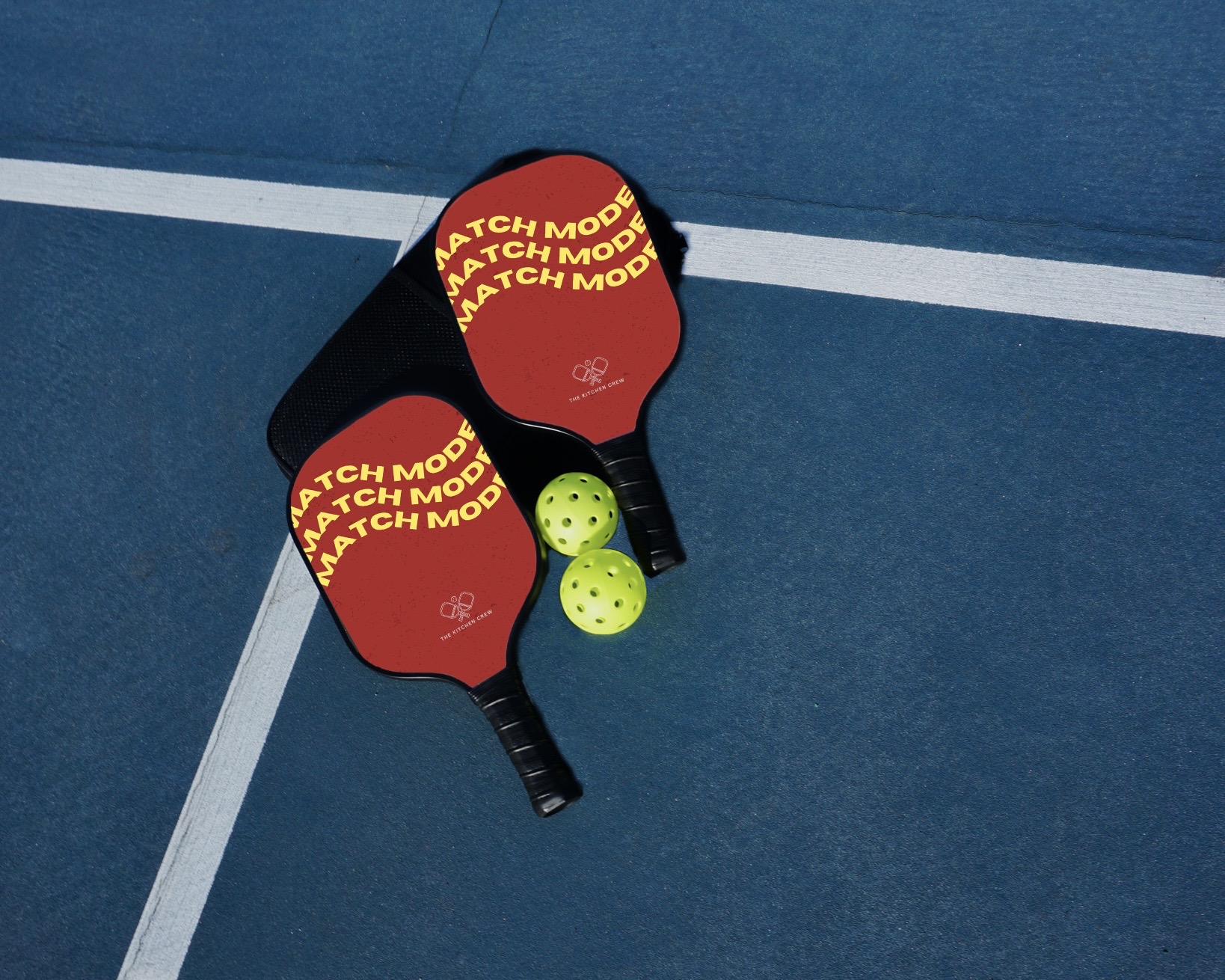
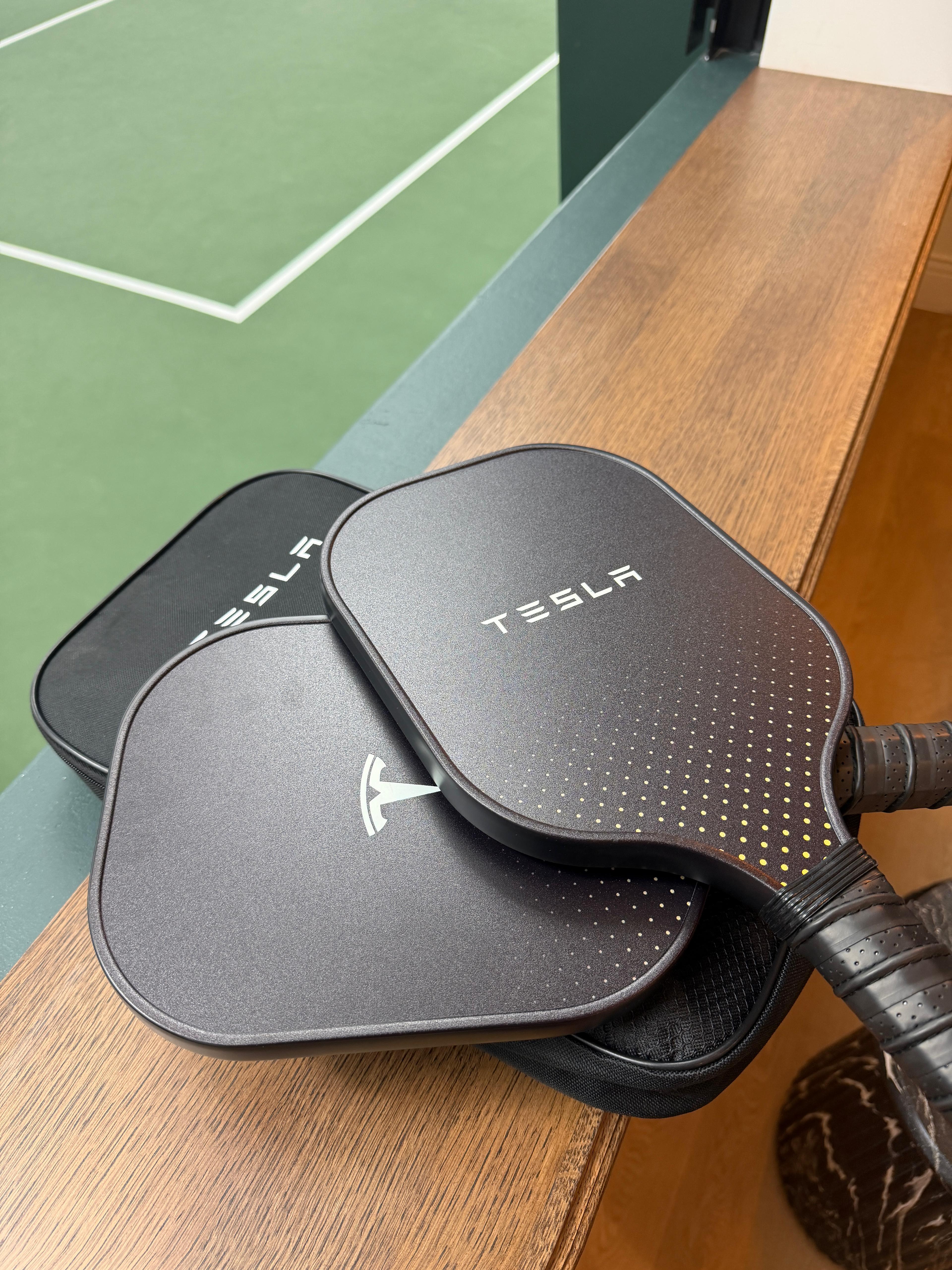
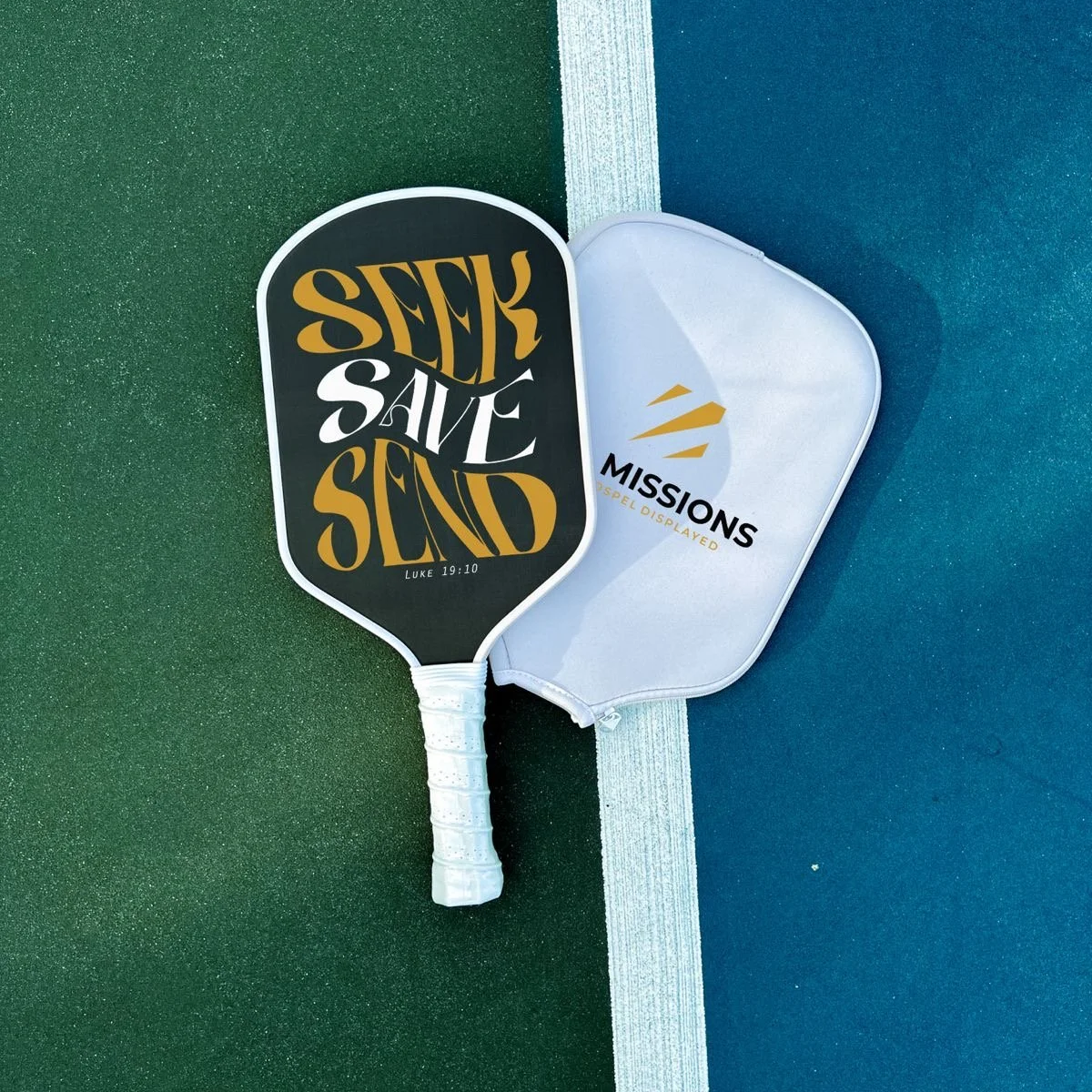
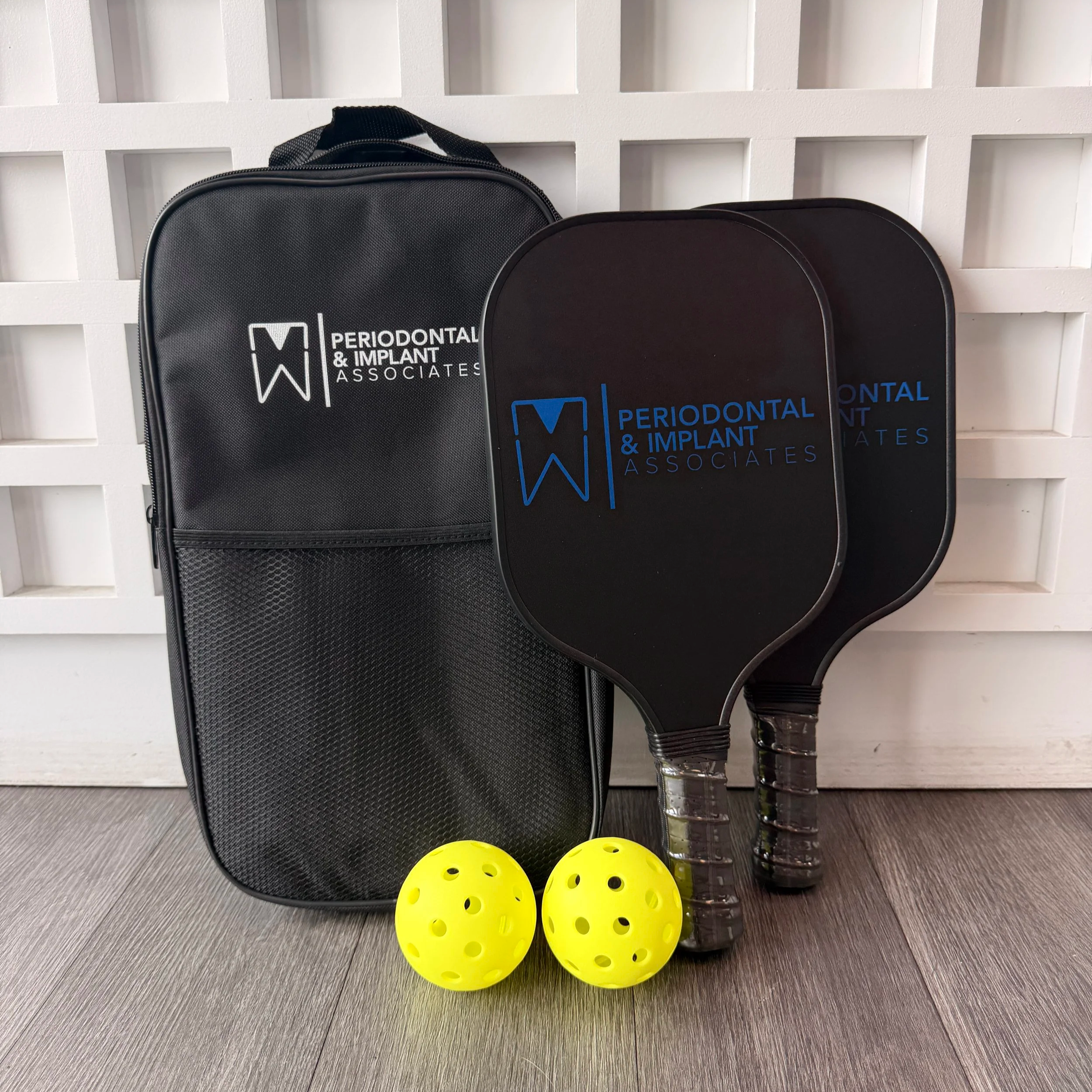
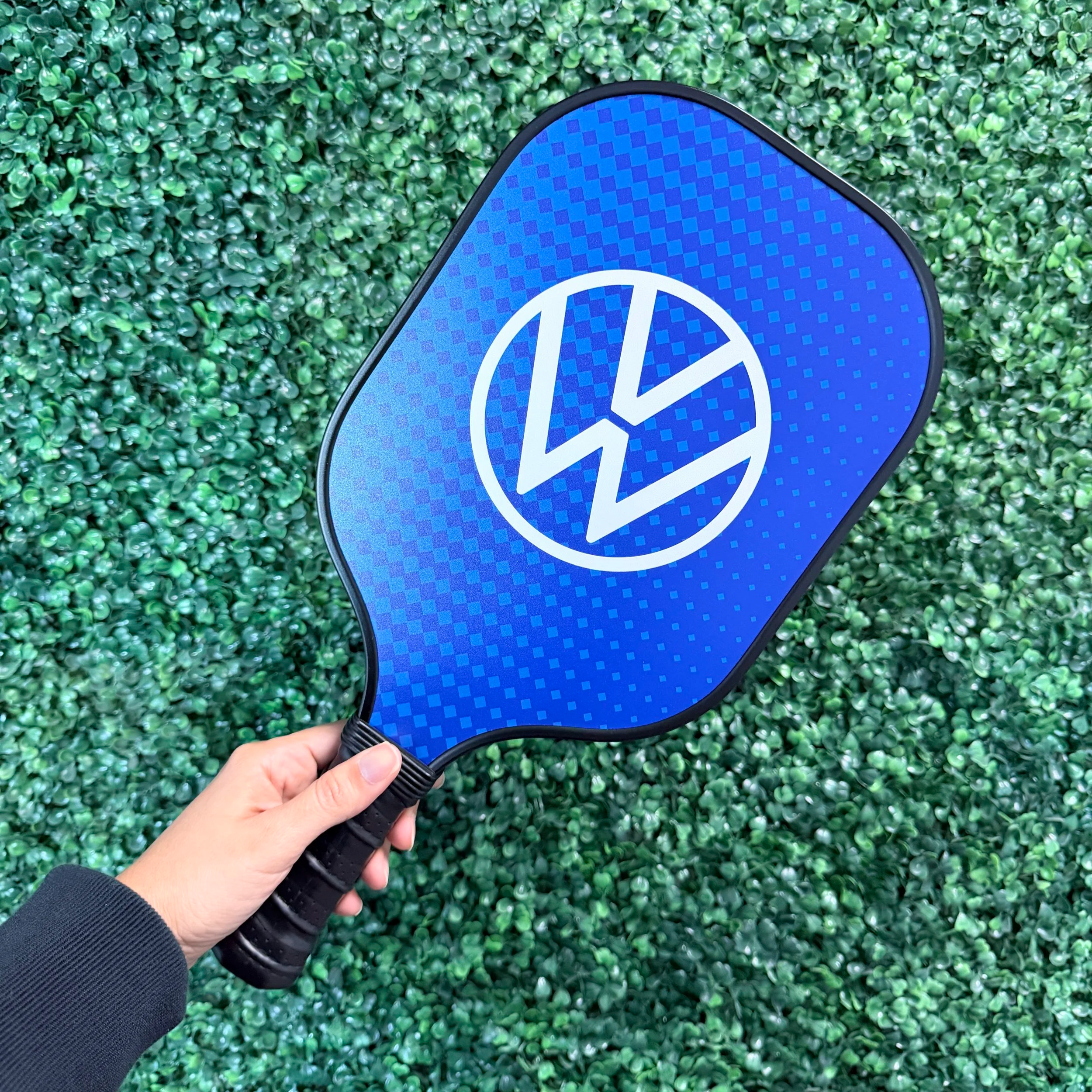
The most effective swag fits naturally into real life. Drinkware people use every morning. Apparel they actually want to wear. Gear connected to hobbies they already love, like quality branded pickleball paddles. Items that don't feel disposable the second you touch them.
Be Selective With Distribution
High-quality swag doesn't need to go to everyone.
It works best when it feels intentional. Client thank-you gifts. New hire welcome kits. Loyalty rewards. Milestone moments. Items that feel earned, not mass-produced.
That's especially true for higher-value promotional products. When something feels personal or considered, people treat it differently. They keep it. They use it. They associate it with the brand that gave it to them.
The Bottom Line
Swag is a physical promise. If it's flimsy, forgettable, or frustrating, people won't just forget the item. They'll remember how it made them feel about your brand.
If you're not ready to invest in quality swag, skip it. But if you're going to put your logo on something someone holds, wears, or uses, make it something that actually deserves space in their life.