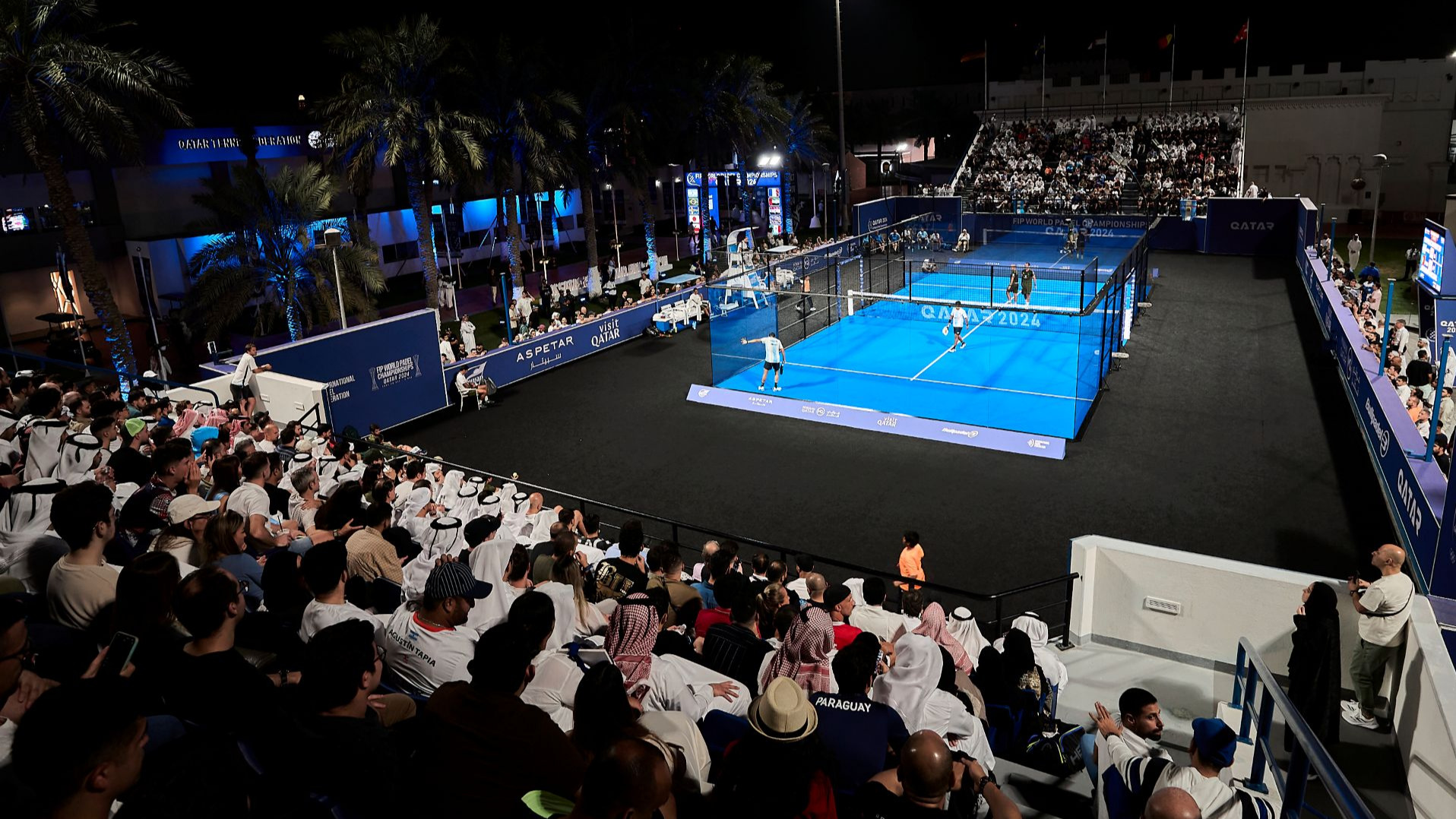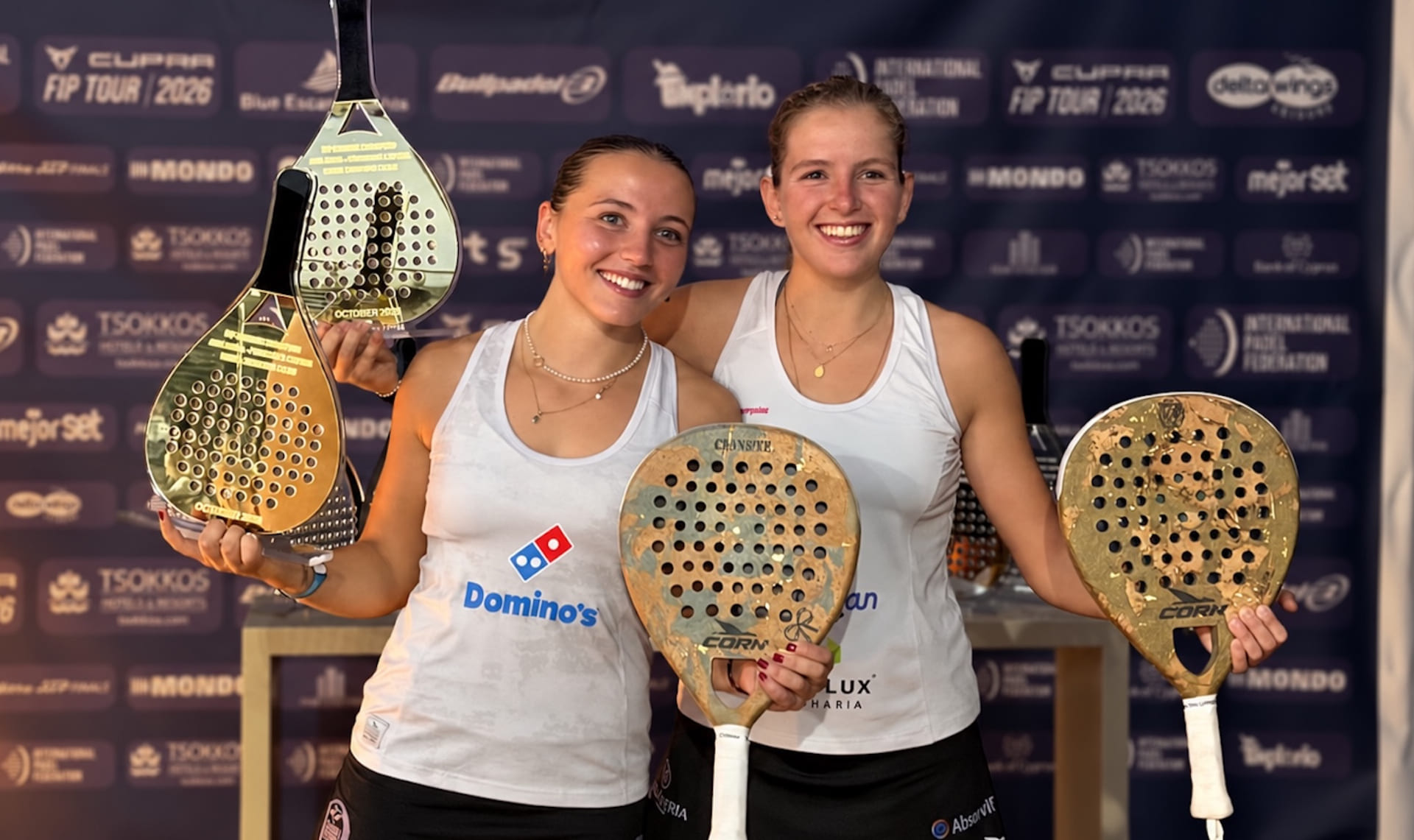
The FIP World Cup 2026 in Doha is introducing a new tradition of wearable victory, awarding the winning men’s and women’s national teams an exclusive commemorative patch. This initiative aligns padel with the long-standing sporting tradition of symbols that serve as a permanent mark of championship success.
The Evolution of Wearable Trophies in Sport
Padel is actively building its own identity by adopting symbols that transcend traditional medals and trophies. By introducing these wearable emblems, the sport is drawing inspiration from established global traditions where victory is not just held, but worn. The article highlights several iconic examples of this practice across various disciplines:
- FIFA Champions Badge: In football, this emblem is worn on the shirts of the reigning world champions, serving as an immediate identifier of the team that holds the most recent World Cup title.
- Cycling’s Rainbow Jersey: This iconic garment is worn by the reigning world champion for the duration of a full year, making the athlete instantly recognizable in the peloton.
- American Championship Rings: In leagues such as the NBA, NFL, and MLB (World Series), winners are awarded jewelry that functions as a permanent, personal piece of history that athletes carry with them long after their playing days conclude.
- The Yellow Jersey (Tour de France): Perhaps the most famous example of a wearable title, this jersey identifies the race leader and transforms them into a globally recognized symbol of dominance.
- The Green Jacket (The Masters): A prestigious garment reserved exclusively for the winner of the Augusta golf tournament, representing one of the most coveted honors in the sport.
Padel has begun integrating these concepts into its own culture to strengthen the identity of its premier competitions. This started with the FIP World Cup Pairs in Kuwait, where a special patch was reserved for the world champion pairs. This was followed by the introduction of Champions Rings at the Premier Padel P1 in Milan, which were directly inspired by American sporting culture.
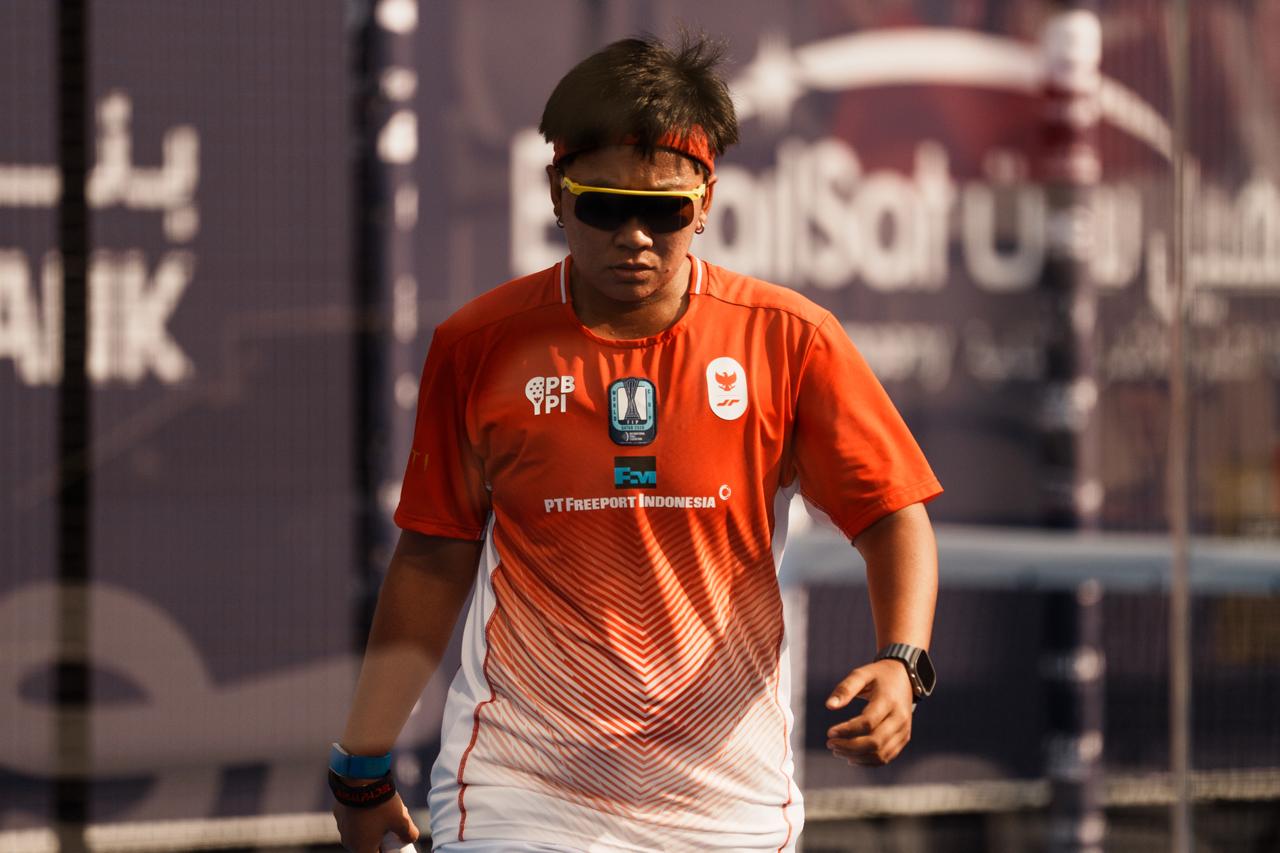
For the FIP World Cup in Doha, all participating national teams will wear a standard official patch—a 5.5 by 7.5-centimeter emblem on the center of the chest—to signify unity and participation. However, the victors will receive a distinct, commemorative version of this patch. Unlike traditional trophies, which are often passed from one winner to the next or kept only as replicas, these wearable symbols become a permanent part of the athlete’s identity, representing the pride of their achievement and their lasting place in the history of the sport.