Pickleball has officially entered the era of artificial intelligence, as DUPR (Dynamic Universal Pickleball Rating) has integrated AI-powered video analysis into its official rating system. This shift moves the sport beyond simple win-loss records, providing players with granular, data-driven insights into their actual performance on the court.
How AI Analysis Transforms Your DUPR Rating
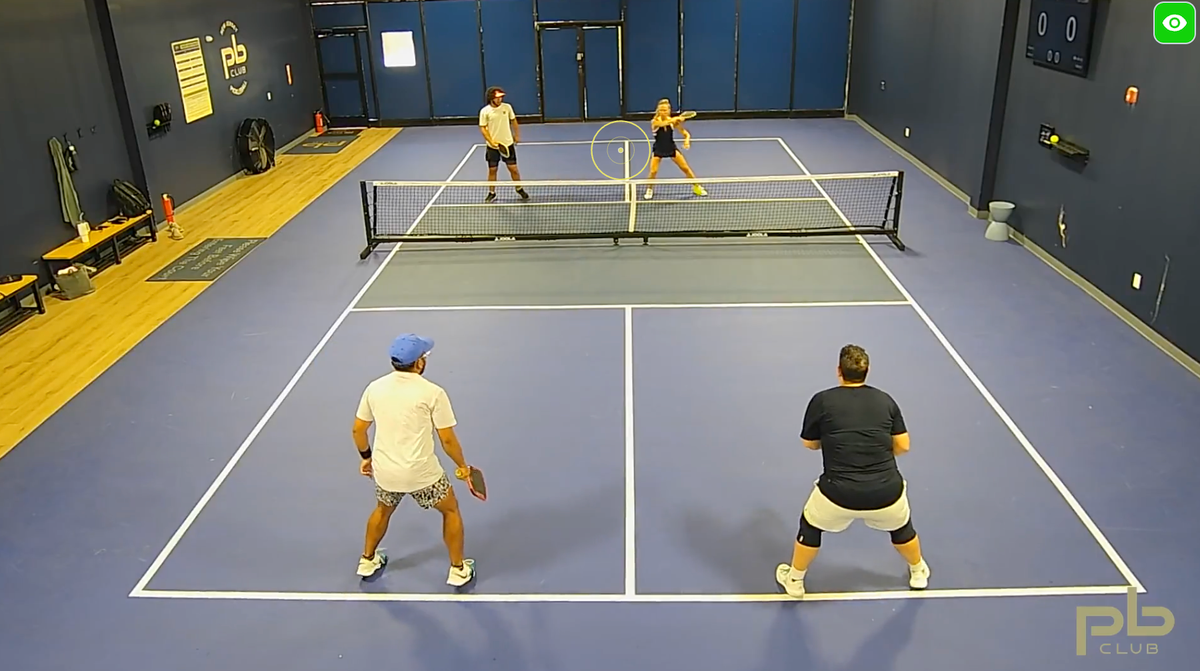
Starting this August, DUPR began incorporating data from video partners—including PB Vision, PlaySight, SwingVision, Save My Play, and Volley—to influence player ratings. By using computer vision to track the ball and player movement, the system generates a shot-by-shot record of every match. This allows the rating to be based on how a player actually performs during a rally rather than just the final scoreline. According to the report, this evolution provides three specific, meaningful "footnotes" to your standard DUPR number:
- Cumulative versus today: While your standard DUPR is a cumulative average of your match history, AI analysis provides a "game log" for the specific match you just played. This allows you to identify when you are playing your best pickleball, even if your overall rating doesn't shift significantly after a single session.
- Your play versus your partner's: Traditional doubles ratings are based on team results, which can be misleading. Shot-level data now allows the system to determine which player is actually generating points, offering honest feedback that separates individual contribution from team outcomes.
- The composite versus the components: A single rating number often hides specific strengths and weaknesses. AI analysis breaks your performance into "buckets," allowing you to see exactly which areas—such as your serve, return, or consistency—are performing above average and which areas require more practice.
The transition to AI-integrated ratings was made possible by two major advancements: the increased accuracy of computer vision models and the removal of the "chore" factor. Previously, players had to manually set up tripods, trim video files, and upload footage to get analysis. With new systems, cameras are now permanently installed at courts, and software automatically detects when a match begins and ends. This frictionless process has led to a surge in adoption, as seen with the doubling of AI-analyzed replays at PodPlay clubs in July.
Ultimately, this technology aims to close the gap between professional players, who have long utilized film study, and the average amateur. By providing a defensible, objective answer to performance questions, players can finally move beyond relying on "vibes" and memory to understand why they may be stuck at a specific skill level.