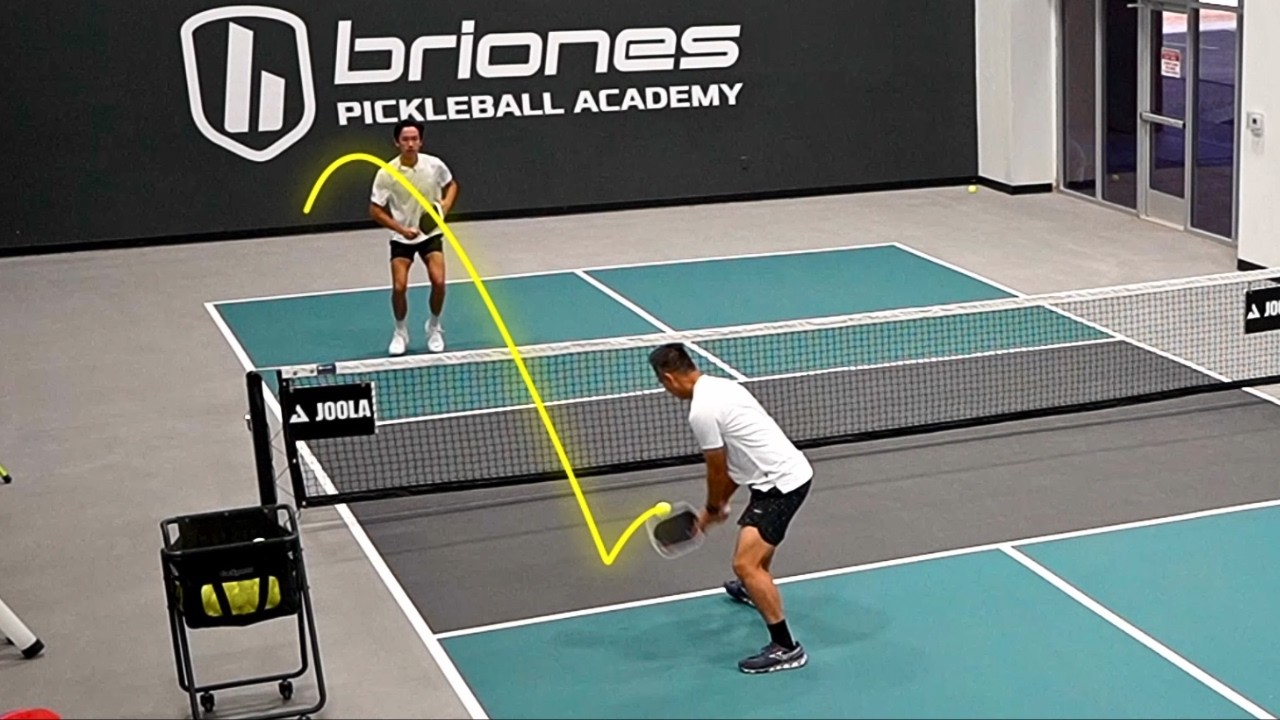
Many pickleball players struggle with the third shot drop because they treat it as a static, defensive maneuver rather than a continuous, forward-moving action. By failing to maintain momentum and allowing the ball to travel too deep into their body, players often find themselves stranded in the transition zone, unable to reach the kitchen line.
Mastering the Third Shot Drop
According to insights from More Briones Pickleball, the key to a successful drop is integrating your footwork and swing into one fluid motion. To improve your consistency and transition to the net, focus on these essential mechanics:
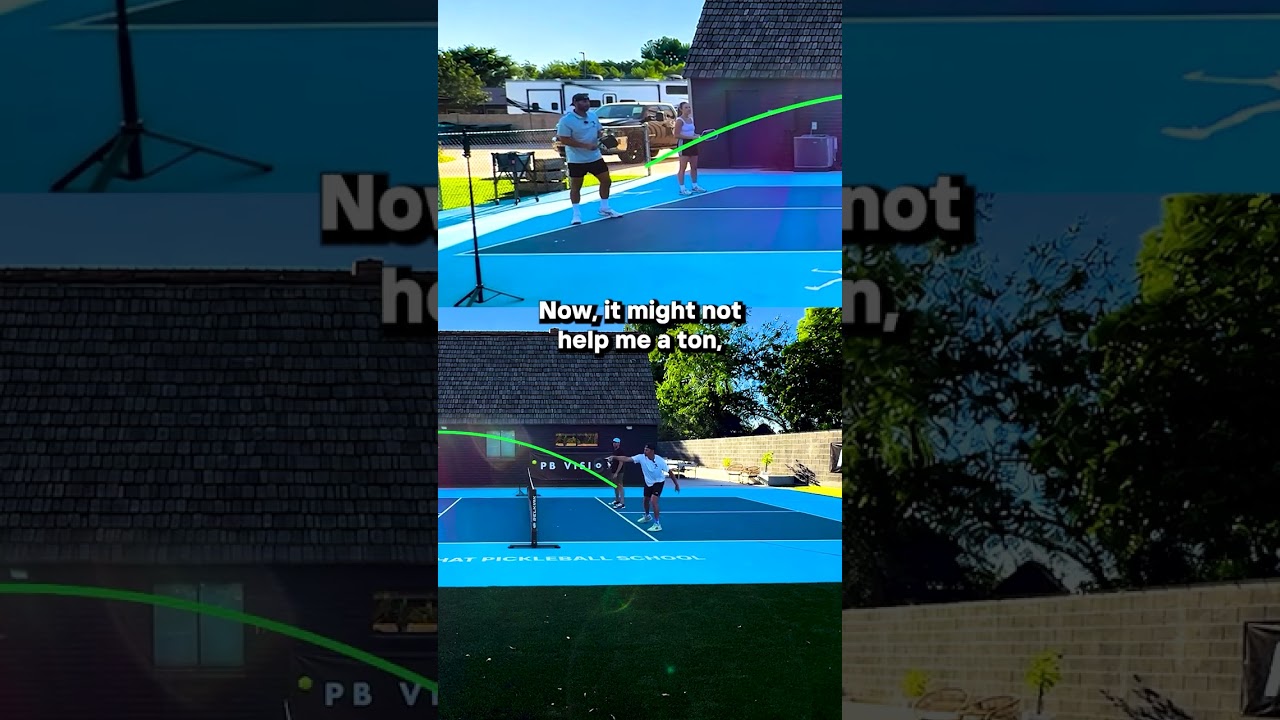
- Read the Return: Your shot selection must be dictated by the height of the incoming ball. If the return is high (above the waist), consider a drive or a hybrid shot; if it is mid-height, choose a drop or a drip; if the return is low (below the waist), the drop is typically your only safe option.
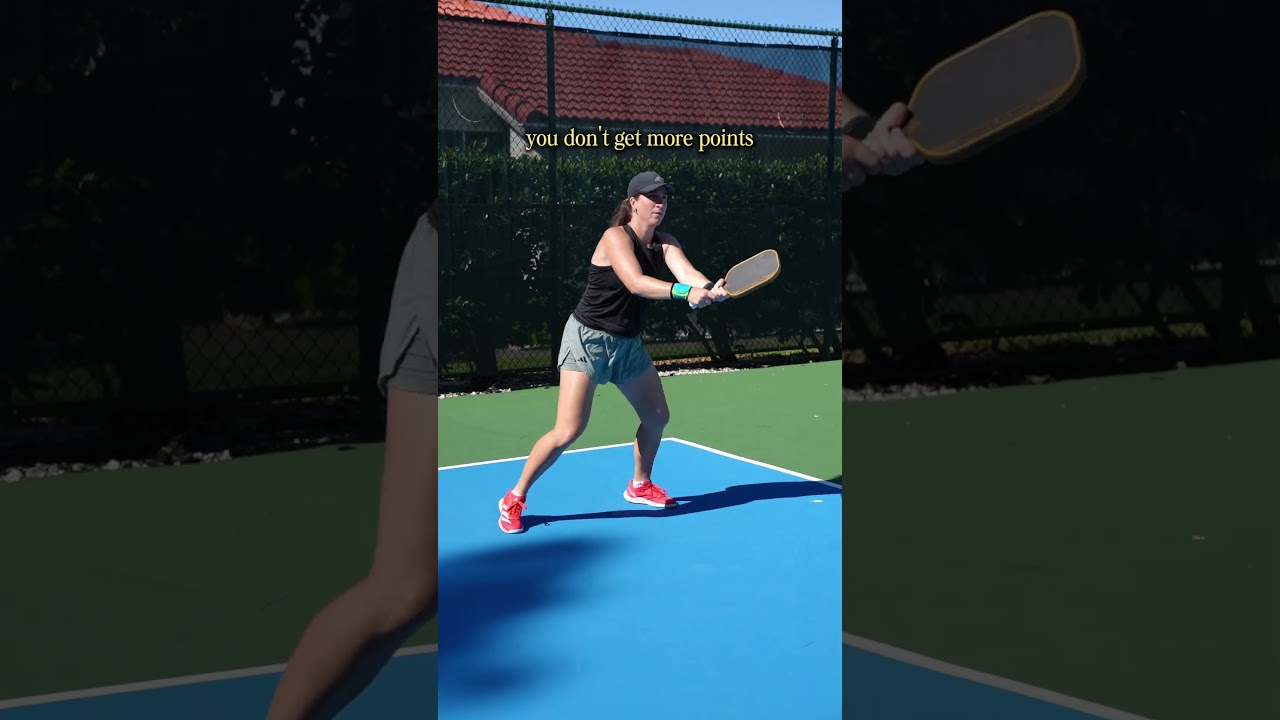
- Maintain Forward Momentum: You must keep your body weight moving toward the kitchen before, during, and after contact. Stopping to watch the ball after your swing is the primary reason players get stuck in no man's land.
- Contact the Ball Early: Ensure your paddle meets the ball well in front of your lead hip. Letting the ball travel too close to your body causes you to lose control of the paddle face angle, often resulting in shots that hit the net or float too high.
- Get Behind the Ball Early: Use your footwork to position yourself so you have ample space to extend your arm forward. Proper lateral movement is essential to ensuring you aren't rushed at the point of contact.
- Use a Relaxed Grip and Low-to-High Swing: Avoid over-swinging; instead, use a relaxed grip and a smooth low-to-high motion, allowing the paddle face to do the work.
- Follow Through Toward the Kitchen: Your follow-through should be directed forward, using that energy to carry your weight into your next step toward the kitchen line.
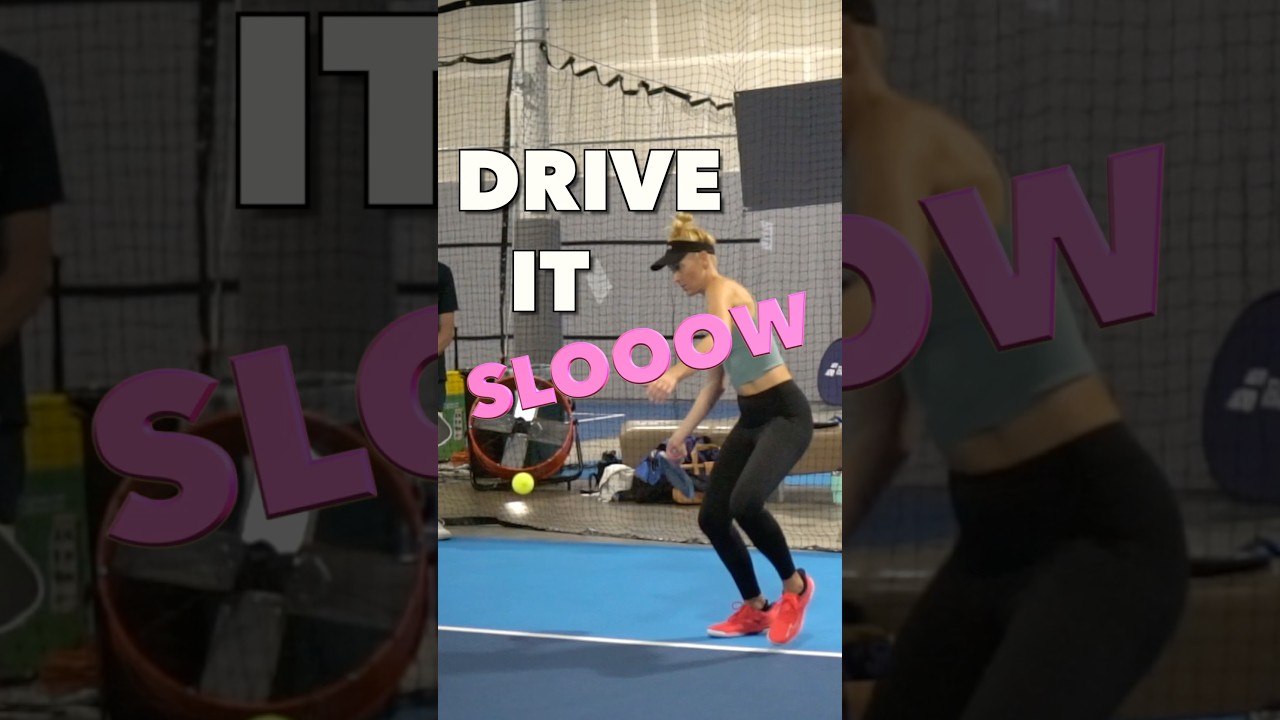
- Incorporate the Drip Shot: When the return is at a mid-height, consider using a "drip" or hybrid shot. This technique adds more pace than a traditional drop, allowing you to apply pressure while still landing the ball softly in the kitchen.
By viewing the drop and your movement toward the net as a single, continuous sequence rather than two separate actions, you can eliminate the hesitation that keeps you trapped in the transition zone. Mastering these mechanics allows you to dictate the rally and reach the kitchen line with confidence.