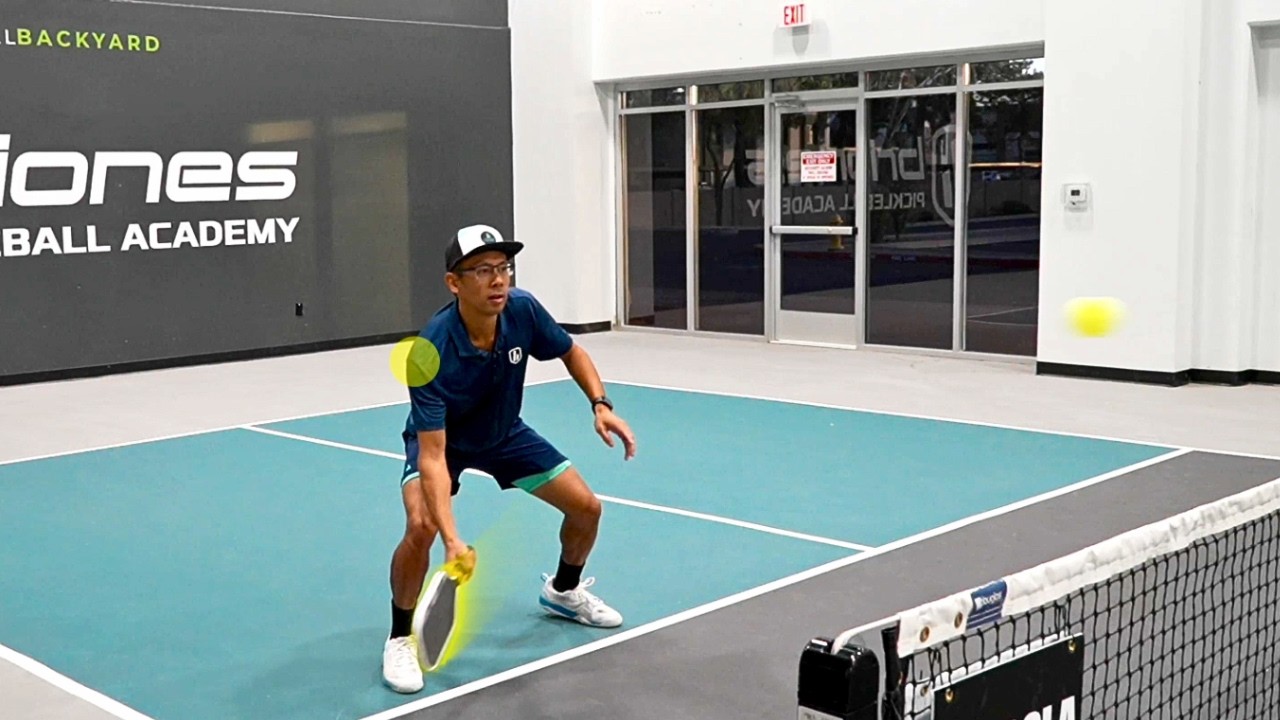
Pickleball knee pain is the most common complaint among players, often stemming from the sport's nature as a deceleration activity rather than just an acceleration one. According to insights from Connor Derrickson of That Pickleball Trainer, the repetitive stress of stopping quickly forces the knees to absorb load that the muscles aren't prepared to handle, but you can assess your readiness and injury risk using three specific at-home tests.
Three At-Home Tests for Knee Health
Before jumping into a strength program, use these three tests to identify your current baseline and pinpoint where your stability or strength may be lacking.
- Single-Leg Sit to Stand: Using a standard dining chair, stand on one leg and attempt to sit down and stand back up without using your hands. This movement evaluates your quad strength, glute activation, patellar tracking, and single-leg stability. A score of 1 means you cannot perform the movement; a 2 means you can do it but with pain or fewer than 10 reps; a 3 means you complete 10 reps per side with zero pain and full control.
- Single-Leg Step Down: Stand on a 12-to-18-inch elevated surface (like a step stool or low box) with one leg hanging off the edge. Reach your hanging heel down to tap the floor while pushing your hips back, then return to a standing position. You should aim for 8 controlled reps per side. During this test, monitor for three critical failures: the standing knee caving inward, any pain in the joint, or a loss of balance and control.
- The Third Test (Contextual Note): While the source material introduces the concept of three tests, the provided text concludes after detailing the first two. It emphasizes that these assessments are vital because pickleball requires eccentric loading—where muscles lengthen while bearing weight—and if your legs aren't conditioned for these deep, low positions, your joints will inevitably bear the brunt of the impact.
The core issue for many players is treating pickleball as their only form of exercise. Because the sport demands rapid stops in wide, low stances, players who do not perform targeted strength training in these specific ranges of motion are essentially going into every match unprepared. Research indicates that playing three or more days a week increases injury risk by 45% for those who lack outside strength work. To mitigate this, prioritize single-leg strength training at least two days per week, focusing on movements like deep lateral lunges and low squats to build the capacity necessary to handle the court's demands.