As the pickleball paddle market matures, the industry is entering a phase where manufacturing parity makes technology alone an insufficient differentiator. By looking at the evolution of the skateboarding industry, we can better understand how brands will need to pivot from a "technology arms race" to a model defined by brand identity, product knowledge, and long-term innovation.
The Three Archetypes of Pickleball Paddle Companies
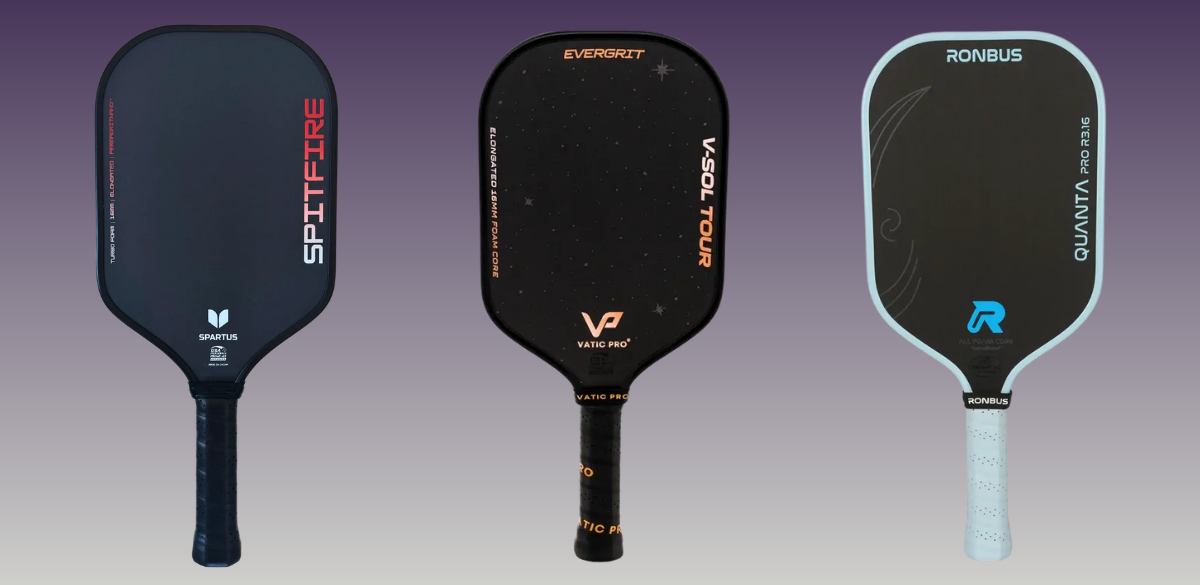
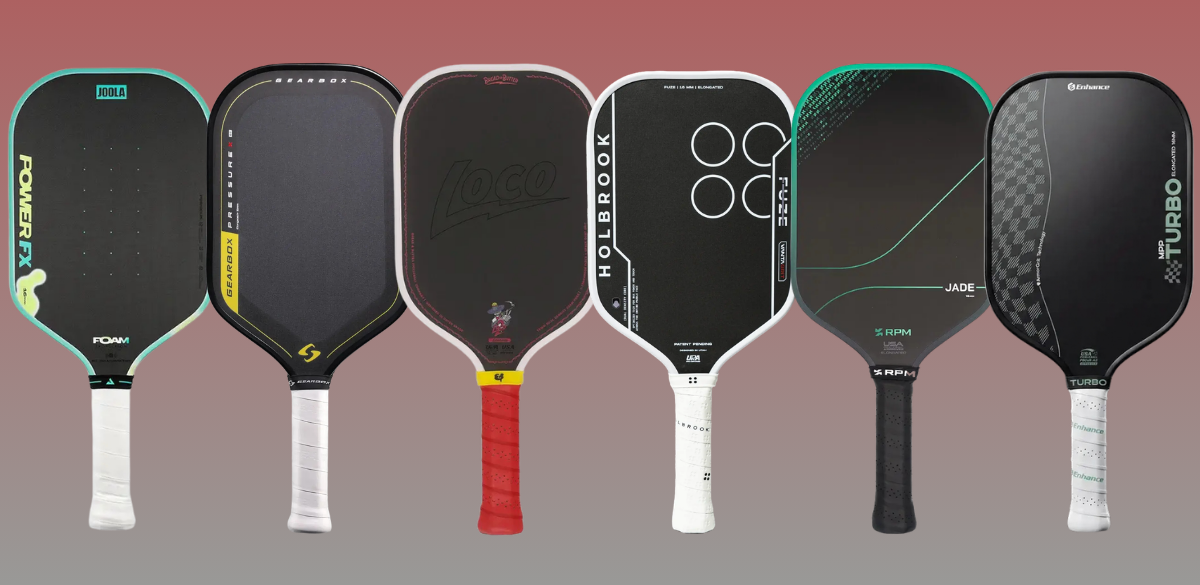
Just as skateboard decks eventually standardized around 7-ply maple, pickleball paddles are trending toward a baseline of carbon fiber, polymer cores, and thermoforming. Because these technologies are becoming industry standards rather than unique selling points, companies must define their value through one of three distinct business models:
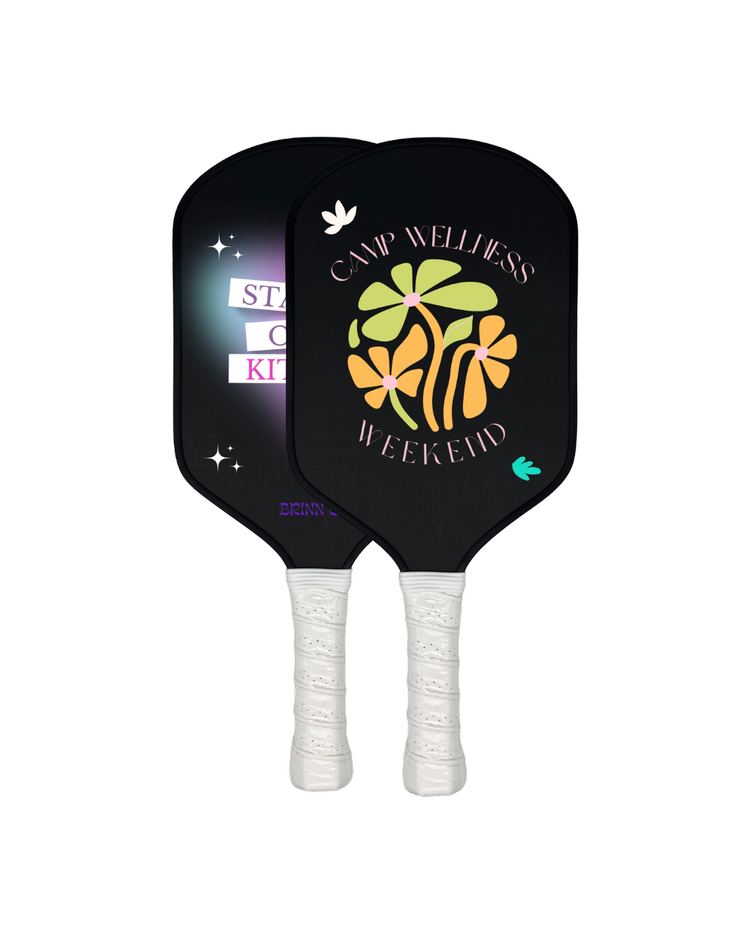
- The Marketing Company: These businesses focus on branding, aesthetics, and distribution. They typically source existing constructions from manufacturers and apply their own logos and graphics. Their competitive advantage relies entirely on their ability to reach customers and build a recognizable brand, as they lack a proprietary product "moat."
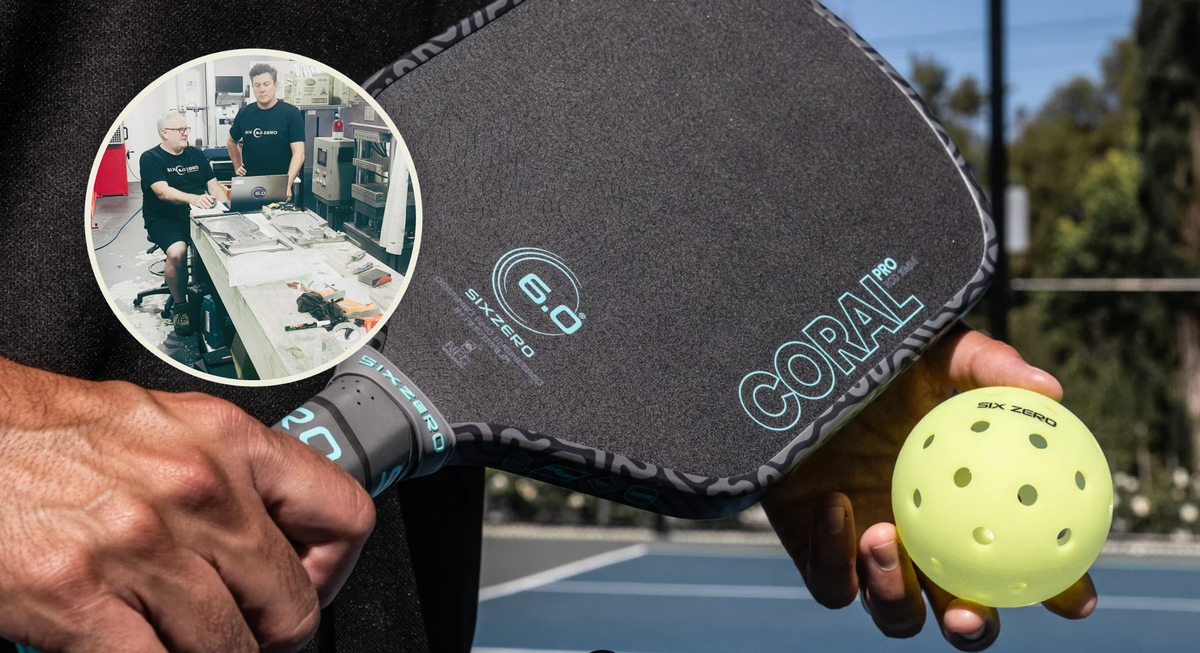
- The Product Company: These firms go beyond simple branding by actively participating in the design process. They experiment with varying core materials, stiffness levels, balances, and shapes. By building prototypes and learning through hands-on testing, they develop deep product knowledge that cannot be found in a standard manufacturing catalog.
- The Technology Company: These are the innovators of the industry. They invest in proprietary materials, unique core structures, and specialized manufacturing processes or tooling. Because they own the intellectual property and the testing systems behind their gear, they are the most difficult for competitors to replicate.
The author emphasizes that technology should be viewed as a pipeline rather than a static identity. While a breakthrough like thermoforming offers a temporary advantage, it eventually becomes a baseline expectation. To survive, companies must continuously iterate rather than relying on a single manufacturing technique.
Furthermore, the industry is shifting its focus toward performance retention. Similar to how skateboarders value durability, pickleball players are increasingly concerned with how a paddle performs after hundreds of hours of play. Durability is no longer just a warranty concern; it is a core performance metric. Ultimately, the most successful brands will be those that cultivate loyalty through a mix of athlete partnerships, culture, trust, and history—factors that allow companies to command value regardless of the underlying manufacturing costs.