When your pickleball game plan begins to falter, the natural instinct is to overhaul your entire strategy, but this often leads to panic rather than progress. Instead of making drastic changes, successful players identify genuine patterns and climb an "adjustment ladder" one small step at a time to regain their competitive edge.
The Adjustment Ladder: A Strategic Approach
To avoid the trap of changing everything at once, use this four-rung ladder to make incremental, logical adjustments. Start at the bottom and only move up if the previous rung fails to produce results:
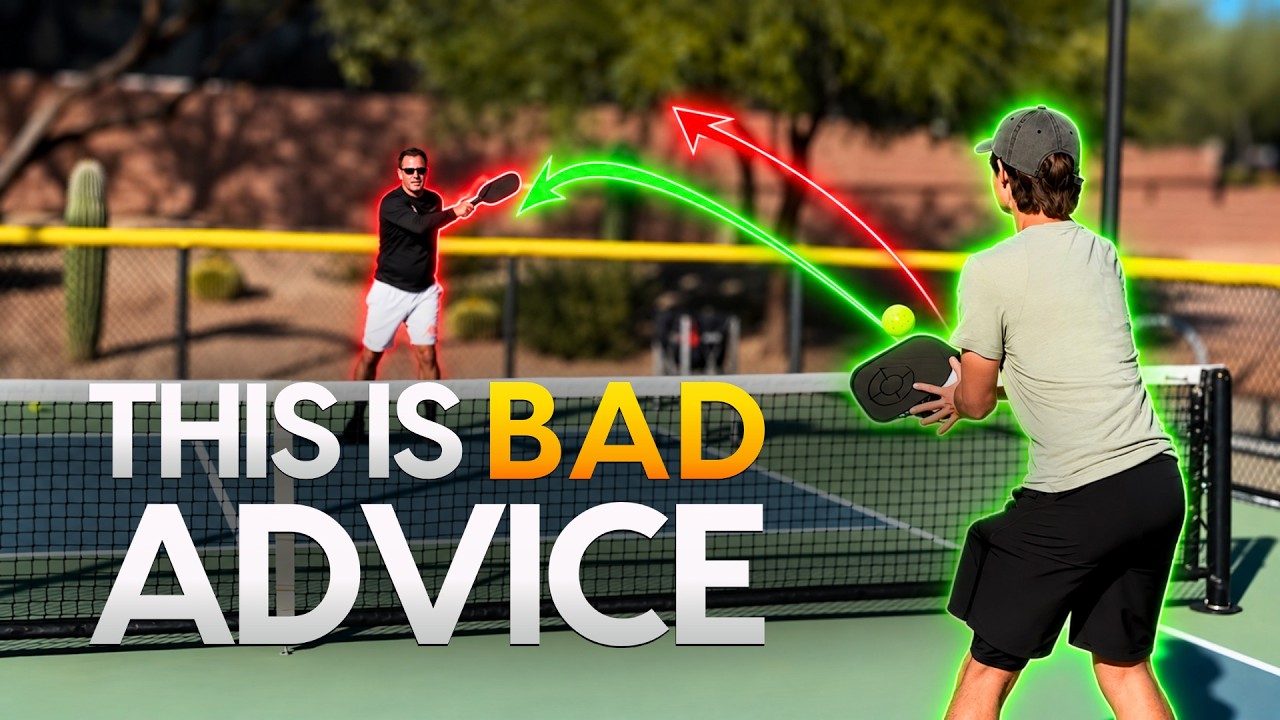
- Target: Keep the same shot but change where you are aiming. For instance, if your cross-court dinks are being attacked, try shifting your target to the middle of the court to disrupt your opponents' communication.
- Height and Pace: Maintain your shot and target, but adjust the ball's trajectory or speed. Many lost points are simply the result of balls sitting a few inches too high; lowering your contact point can often solve the problem without requiring a tactical overhaul.
- Position: Change your physical location on the court. This includes tactics like staggering, stacking, or simply shading a step toward the side where you are consistently losing points. These adjustments are highly effective because they don't require changing your technical mechanics.
- Shot Selection: This is the final and most drastic option. Only now should you consider switching your shot type, such as opting for a drive instead of a drop, or a lob instead of a dink. Most players make the mistake of jumping to this rung first, which forces them to play a style they haven't practiced.
Before making any of these moves, it is vital to distinguish between a temporary struggle and a true pattern. A pattern is defined as a repeated result from the same decision in the same situation. Coaches generally suggest that you should only consider a change once a specific mistake has occurred five times in a row. Two errors may feel like a trend, but they are often just isolated incidents.
If you find yourself struggling, pause between points to ask yourself three diagnostic questions: Is it the shot or the execution? Is it the target or the timing? Is it the opponents playing better, or is it you? Often, the issue is simply poor execution of a sound plan. Finally, time your adjustments strategically. Avoid making changes in the middle of a run; instead, wait for natural breaks like side changes, timeouts, or the gap between games to communicate with your partner and implement your plan.