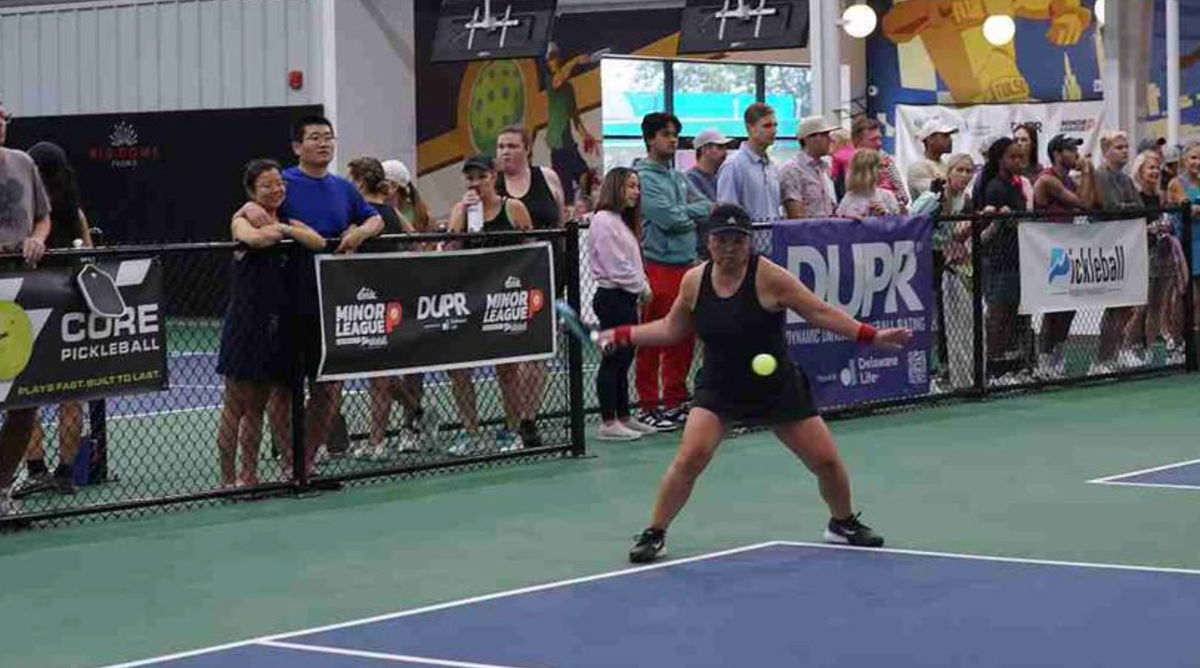
If you feel like your pickleball game has suddenly evaporated, you likely aren't experiencing a loss of skill, but rather a case of "analysis paralysis." When players hit a slump, they often attempt to fix too many technical issues at once, which clutters their mental processing and prevents their natural, automatic muscle memory from taking over. The fastest way to break a slump is to stop overhauling your game and instead commit to a single, controllable input for an entire session.
How to Select Your "One Thing"
To pull yourself out of a slump, you must choose a focus that is an executable action rather than a desired result. Use these three filters to identify the right candidate for your next session:
- Input vs. Outcome: Your focus must be an action you can control, such as "split stepping before every return," rather than an outcome like "winning more points." Outcomes are merely hopes, while inputs are commands you can execute.
- Pressure Resilience: Choose an instruction that you can realistically commit to even when you are losing 9-2. If your focus disappears the moment the score gets tight, it is not a foundational habit.
- Binary Execution: Your goal must be measurable in a binary way—either you performed the action or you didn't. Avoid vague goals like "being more patient," which offer no clear metric for success.
The article suggests that your chosen focus should be a skill you have already largely mastered, as a slump is not the time to learn something new; it is a time to clear mental space for skills you already possess. Examples of effective candidates include:
- Split step timing: Ensuring you are properly set before your opponent makes contact.
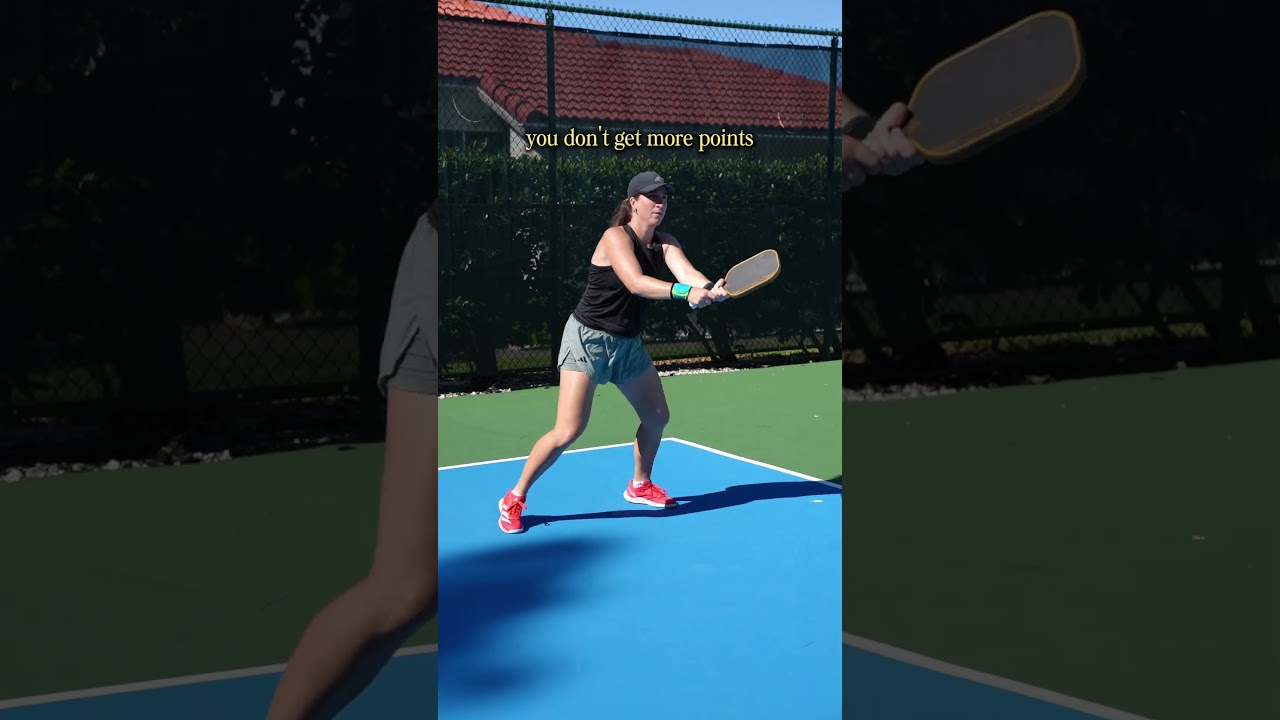
- Contact point out front: Maintaining a consistent, forward-reaching contact point on your shots.
- Transitioning to the line: Making a disciplined effort to get to the kitchen line after every return.
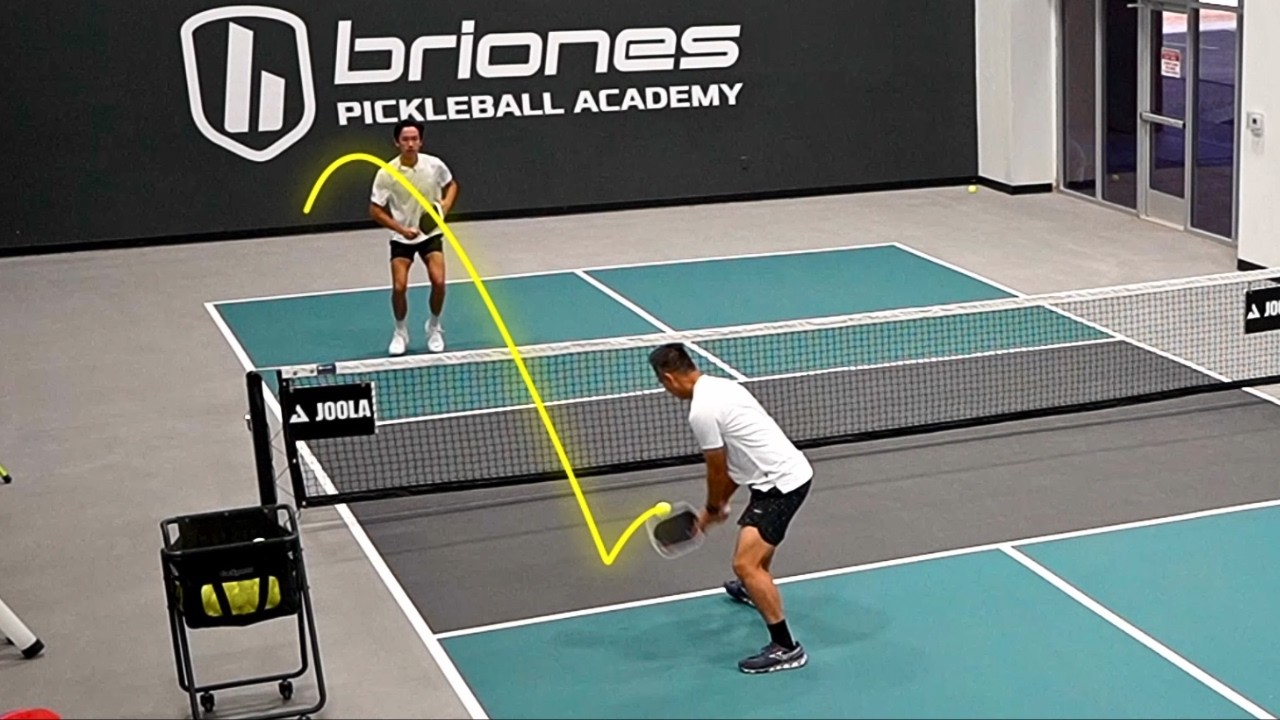
- Resetting instead of countering: Choosing to reset balls hit above your waist in the transition zone rather than attempting an aggressive attack.
Ultimately, the key to recovery is to keep score of your chosen instruction rather than the match itself. By tracking your success rate on that specific input—such as landing nine out of twelve attempted resets—you shift your focus away from the scoreboard and back toward the process. This disciplined, narrow approach allows your brain to stop "supervising" your strokes, letting your established, automatic game return to the court.