Professional pickleball has officially entered the "Entourage Era," a shift where top-tier athletes are treating their bodies like high-stakes business assets by investing five figures monthly into dedicated support teams. As the sport’s competitive landscape evolves, elite players are moving away from casual preparation toward a professionalized model that mirrors major league sports.
The Three Factors Driving the Professionalization of Pickleball
According to strength and conditioning coach Connor Derrickson, who works with stars like Anna Bright and Hayden Patriquin, the rapid shift toward professional-grade health and recovery is driven by three compounding factors:
- The money got real: With significant sponsorship deals and contracts on the line, physical health is now viewed as a financial investment. A minor injury like a pulled hamstring is no longer just a physical setback; it is a direct pay cut, forcing players to protect their bodies as they would any other revenue-generating asset.
- The schedule got brutal: The combined demands of the PPA and MLP circuits mean the top players are competing almost year-round. This heavy workload—often spanning Wednesday through Sunday across 25 tournaments a year—makes durability a critical competitive advantage that talent alone cannot sustain.
- The margins got thin: As the skill gap between top professionals narrows, the difference between winning and losing often comes down to physical conditioning. The deciding factors are now who stays fresh through the third game, who maintains explosive movement on the final day of a tournament, and who manages to avoid injury throughout the season.
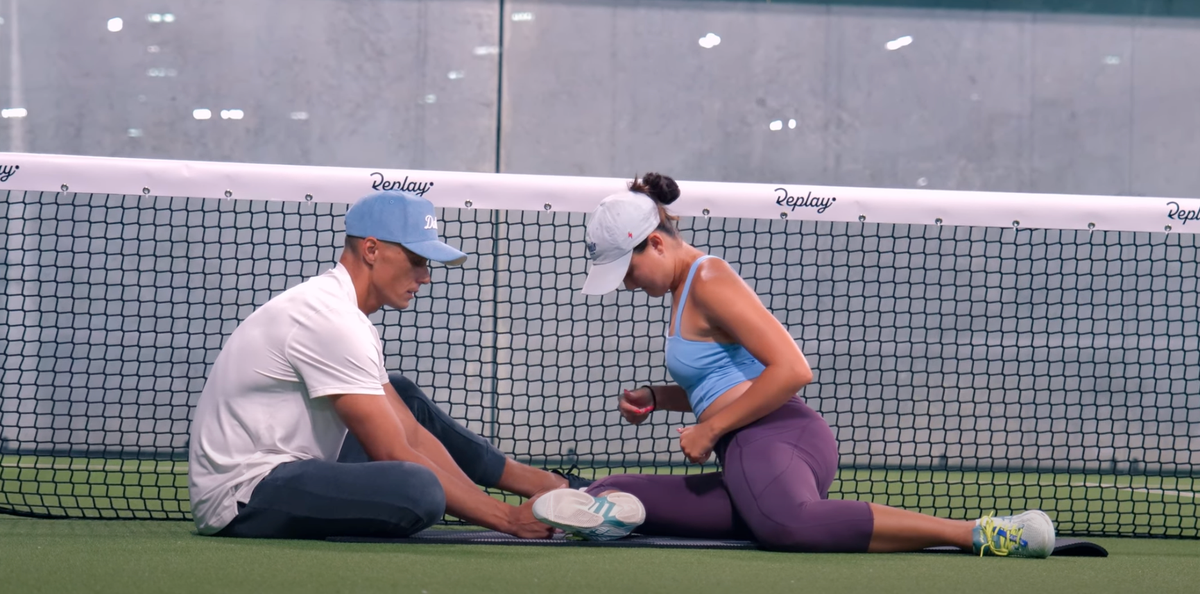
This new era is characterized by a complete overhaul of the pro lifestyle. Instead of relying on tournament-provided facilities, elite players now travel with their own personal massage therapists, nutritionists, and strength coaches. Their off-court environments are equally specialized, often featuring portable cold plunges, compression boots, pre-prepped meals, and regular blood work to proactively address potential health deficiencies.
Derrickson emphasizes that this trend serves as a preview for the amateur game as well. While pickleball initially marketed itself as a sport that didn't require high-level fitness, the pros are proving that a healthier, more athletic body is the ultimate key to playing longer and winning more. By adopting professional habits—such as structured warm-ups, consistent mobility work, and proactive recovery—recreational players can mirror the longevity and performance gains currently being realized at the top of the sport.