Pickleball strategy for senior doubles differs significantly from regular doubles, with key differences in coverage assignments, shot selection standards, and communication between partners. These differences are crucial for senior teams to succeed, as the game rewards geometry and anticipation over raw athleticism and recovery.
Key Differences in Senior Doubles Strategy
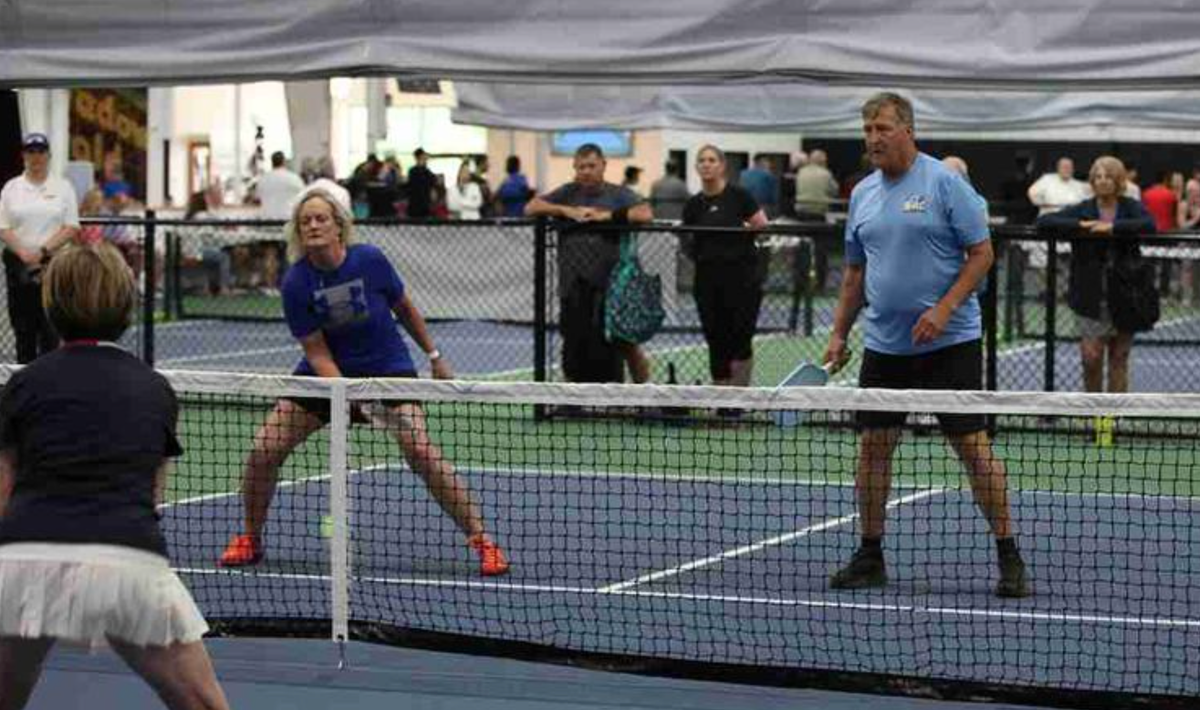
The main differences between senior doubles and regular doubles lie in three areas: coverage assignments, shot selection priorities, and communication. In senior doubles, players cover a specific lane rather than half of the court, and partners agree in advance who will take the seam. This approach is more focused on geometry and positioning, rather than relying on athleticism and recovery.
Shot selection is also critical in senior doubles, with a greater emphasis on disciplined third shots and fewer speed-ups from below the net. Senior teams prioritize resets and treat neutral balls as a win, rather than a missed opportunity. This approach requires a higher level of shot selection standards, as senior teams cannot rely on athletic recovery to bail them out.
Communication is the third key area of difference, with senior teams needing to make calls before the ball is struck, rather than sorting out coverage mistakes on the fly. This requires a higher level of anticipation and planning, as partners need to be able to read the point and make decisions quickly.
The following are the three key changes in senior doubles strategy:
- Court Coverage Assignments: Players cover a specific lane rather than half of the court, and partners agree in advance who will take the seam.
- Shot Selection Priorities: Senior teams prioritize disciplined third shots, resets, and treat neutral balls as a win, rather than a missed opportunity.
- Communication: Partners need to make calls before the ball is struck, rather than sorting out coverage mistakes on the fly, requiring a higher level of anticipation and planning.
Additionally, senior teams can benefit from using stacking strategies to protect weaknesses and gain an advantage. There are three main types of stacking setups: full stack, half stack, and situational stack. Each setup has its own advantages and disadvantages, and teams should choose the one that best suits their needs and abilities.
Research has shown that anticipation and perceptual-cognitive skills training can improve response speeds and decision-making in senior players. By focusing on anticipation and geometry, senior teams can build a strong strategy that compensates for any physical limitations and allows them to compete effectively against younger opponents.