Many common pickleball strategies are actually counterproductive, leading to unforced errors and lost points. By debunking these eight persistent myths, players can refine their approach and adopt a more effective, disciplined style of play.
8 Pickleball Myths Holding You Back
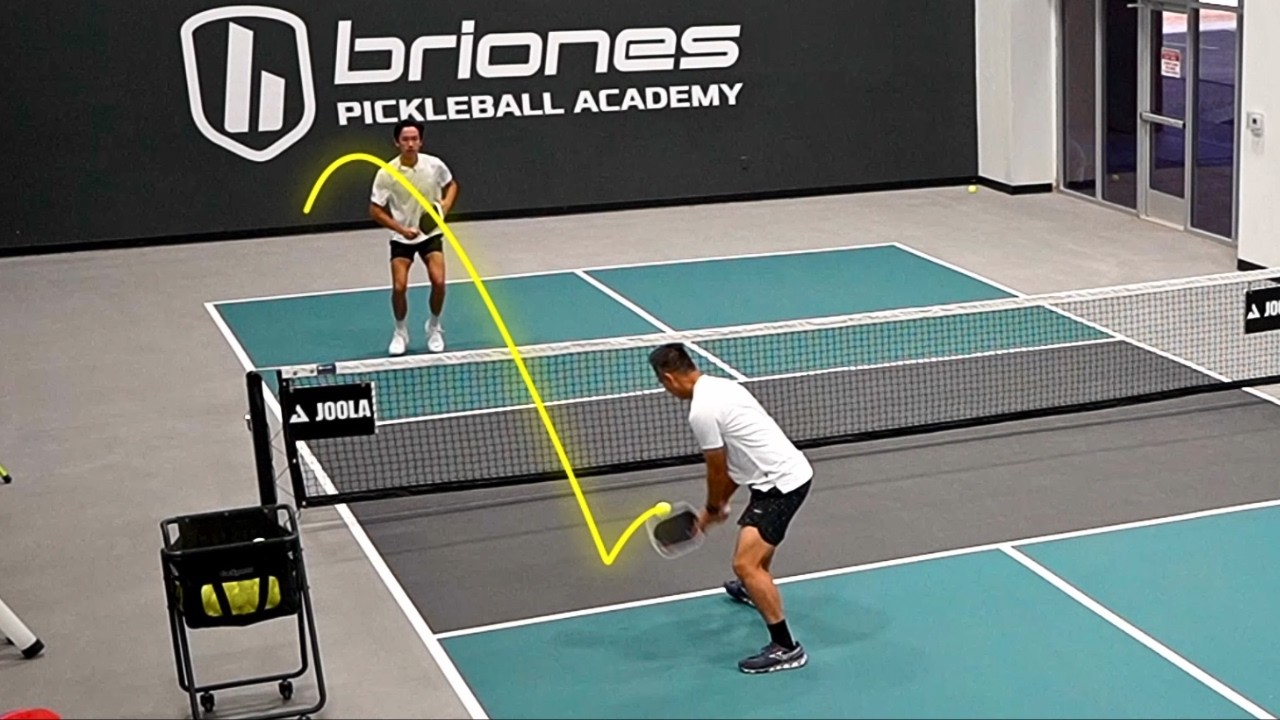
- Power Wins Games: Relying on raw power from the baseline often backfires because it gives opponents a ball above net height, making it easy for them to attack. Instead, prioritize the third-shot drop to force opponents to hit upward, which allows you to move forward and gain the advantage.
- Your Forehand Should Hit 80% of Shots: Running around your backhand to hit forehands creates massive gaps in your court coverage and leaves your partner vulnerable. Focus on moving as a unit—like you are connected by a rope—to cover the court effectively rather than prioritizing one side of your body.
- You Must Wait for the Bounce to Enter the Kitchen: You are permitted to be in the kitchen at any time; the only rule is that you cannot volley while standing there. Stepping in early to take a short ball before it bounces allows you to steal time and put your opponent on the defensive.
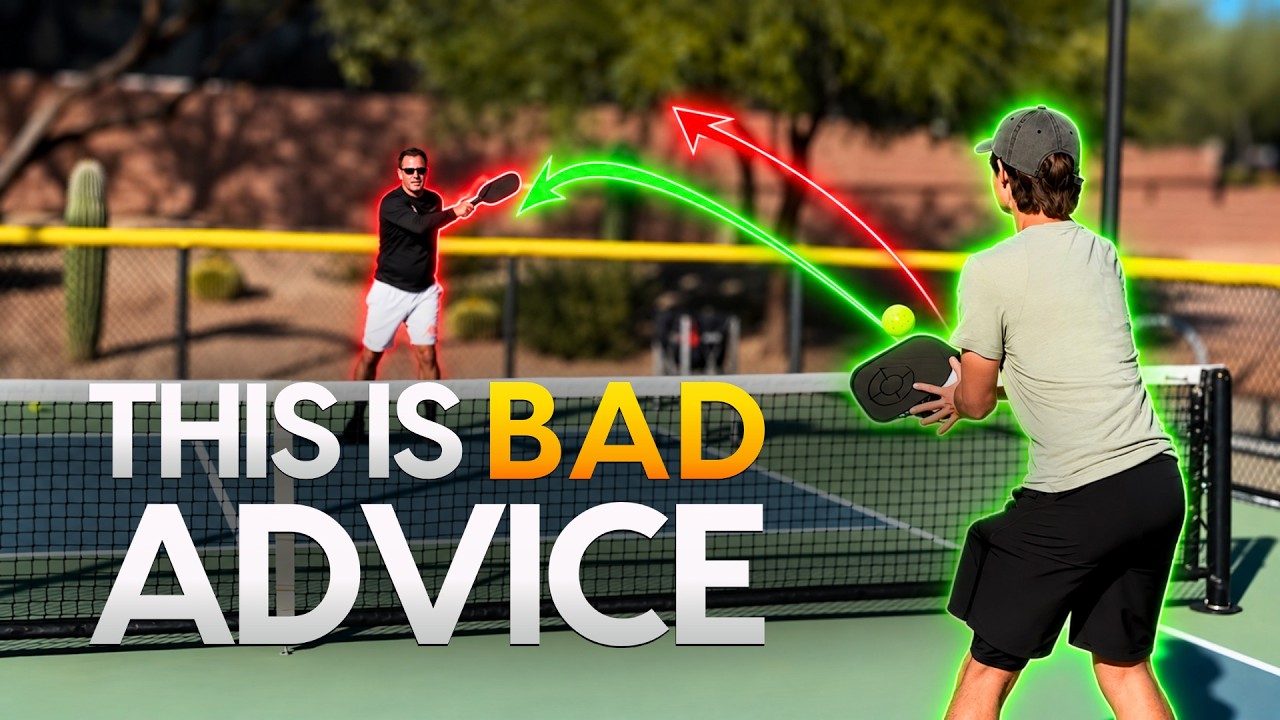
- Every Shot Needs Spin: Adding unnecessary spin increases grip pressure and swing speed, which often leads to more mistakes. Focus on hitting "unattackable" shots instead; sometimes a simple, consistent dink is far more effective than a forced, high-spin shot.
- Pickleball is Just Mini Tennis: While they share a net and scoring, the sports are fundamentally different. Tennis rewards aggressive groundstrokes, but in pickleball, those same swings often lead to errors because the kitchen neutralizes power. Success in pickleball requires patience and the ability to build points through the soft game.
- Paddle Weight Doesn't Matter: This is a damaging misconception, as weight distribution significantly changes how a paddle behaves. Proper weight placement, such as adding weight to the throat, is essential for stability and performance.
- The "Third Shot Drive" is Always the Best Choice: Many players believe they must drive the ball hard on the third shot, but this often sets up an easy put-away for the opponent. The goal should be to hit a shot that prevents your opponent from attacking, whether that is a drive or a drop.
- Speed-Ups Should Be Used Frequently: Players often trigger speed-ups at the wrong time, leading to unforced errors. It is crucial to learn when to go, how to prepare, and how to disguise your speed-ups rather than using them indiscriminately during a rally.