The recent PPA Worlds tournament revealed that the professional pickleball landscape is far more volatile than current rankings suggest. From historic comebacks to shifting team dynamics, the event provided several key insights that could redefine how the game is played and managed as we head into 2027.
Key Takeaways from PPA Worlds
Based on analysis from professional player Zane Navratil, here are the seven critical takeaways from the event:
- Ben Johns’ Men’s Doubles Struggles: After a dominant start to the year, Ben Johns has lost five consecutive men’s doubles tournaments. The primary issue is passive play at the kitchen; in recent matches, he failed to initiate offensive speed-ups, opting for "dead" dinks instead. This puts the entire offensive burden on his partner, Gabe Tardio, making them predictable. The lesson for amateur players is to avoid holding onto dead dinks and instead work on "flick fixes" to ensure you have an offensive response when the ball sits up.
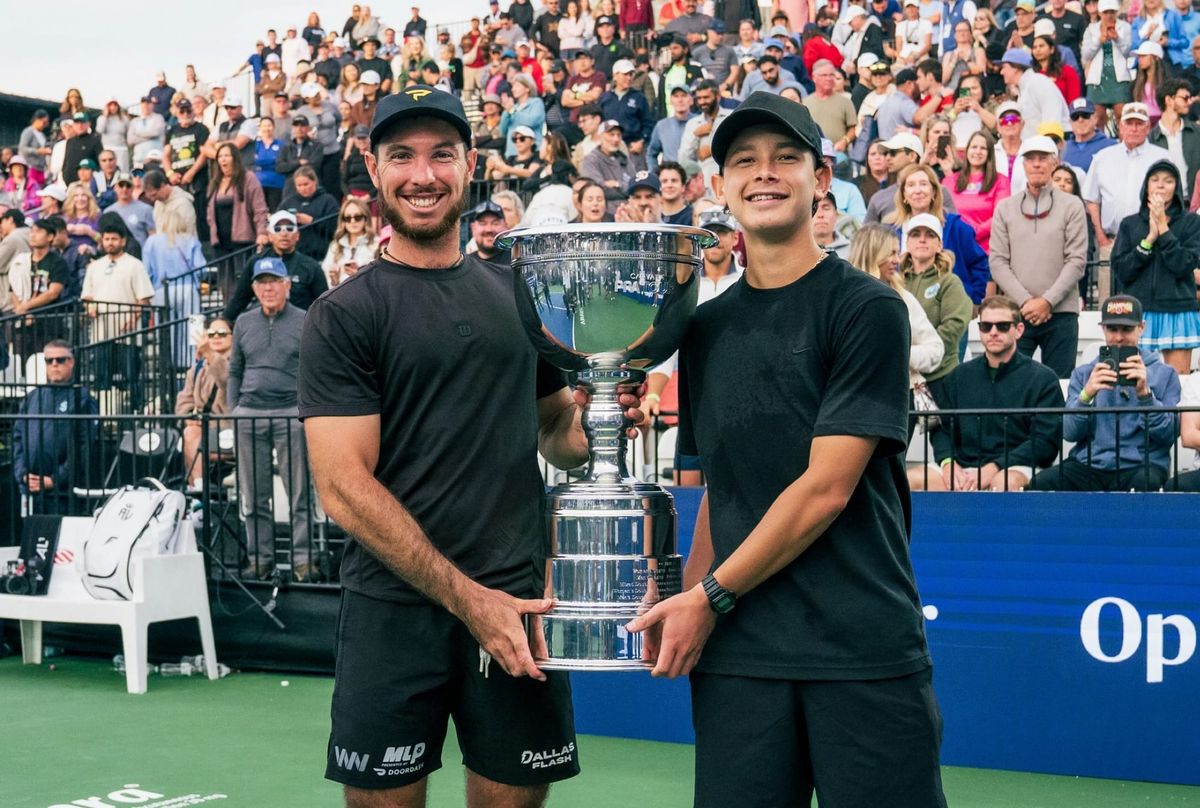
- The 2% Comeback: JW Johnson and Tama Shimabukuro pulled off a rare reverse sweep after trailing two games to none. The turning point occurred when Shimabukuro shifted his body language, choosing to smile and stay relaxed rather than mirroring his opponent's frustration. The takeaway is that maintaining a loose, confident demeanor—even after a poor start—can shift the momentum of a match more effectively than any specific shot.
- The Right-Side Learning Curve: Tama Shimabukuro struggled significantly while playing on the right side during the first two games of the final. While he excels on the left, his right-side play lacked the necessary patience and counter-attacking discipline. This reinforces the reality that the right side is not merely a "passive" position; it requires a specific set of skills focused on patience and counters that many players fail to master.
- Impending Mixed Doubles Breakups: Several high-profile partnerships are likely to dissolve following poor performances. Federico Staksrud and Kate Fahey, who failed to secure a title or final appearance in 14 tournaments, are expected to split. Additionally, while Anna Bright and Hayden Patriquin had a strong year, their recent results have led them to experiment with new partners like Christian Alshon and Sophia Sev, respectively, for upcoming events.
- The "Boring" Strategy Against Aggression: JW and Jorja Johnson continue to be one of the few teams capable of challenging Ben Johns and Anna Leigh Waters. Their success stems from Jorja’s willingness to engage in patient, crosscourt dinking rallies, which effectively neutralizes Anna Leigh’s aggression. The lesson for all players is that "boring", patient dinking is often the most effective way to shut down an aggressive opponent.
- The Impact of Physical Health: The tournament highlighted the ongoing concern regarding player injuries, specifically Nicko’s withdrawal from singles due to a hamstring issue. This follows a trend of missed events throughout the year, suggesting that durability and injury management will be a major factor in determining which partnerships remain viable in 2027.
- Crowd Influence and Mental Toughness: The final match demonstrated how crowd energy can dictate the flow of a game. When the crowd shifted their support toward Shimabukuro, his opponent, Christian Alshon, began to tighten up mentally. This serves as a reminder that players must remain focused on their own internal state rather than letting an opponent's emotional volatility or crowd sentiment disrupt their rhythm.