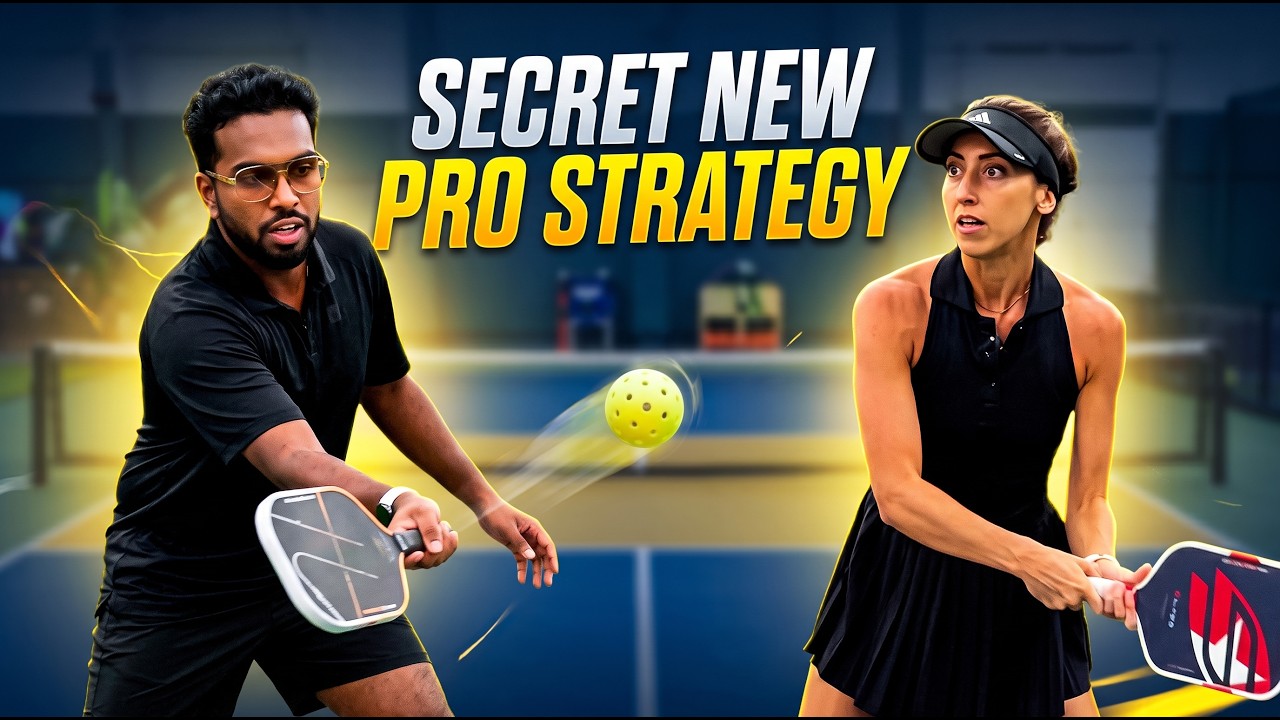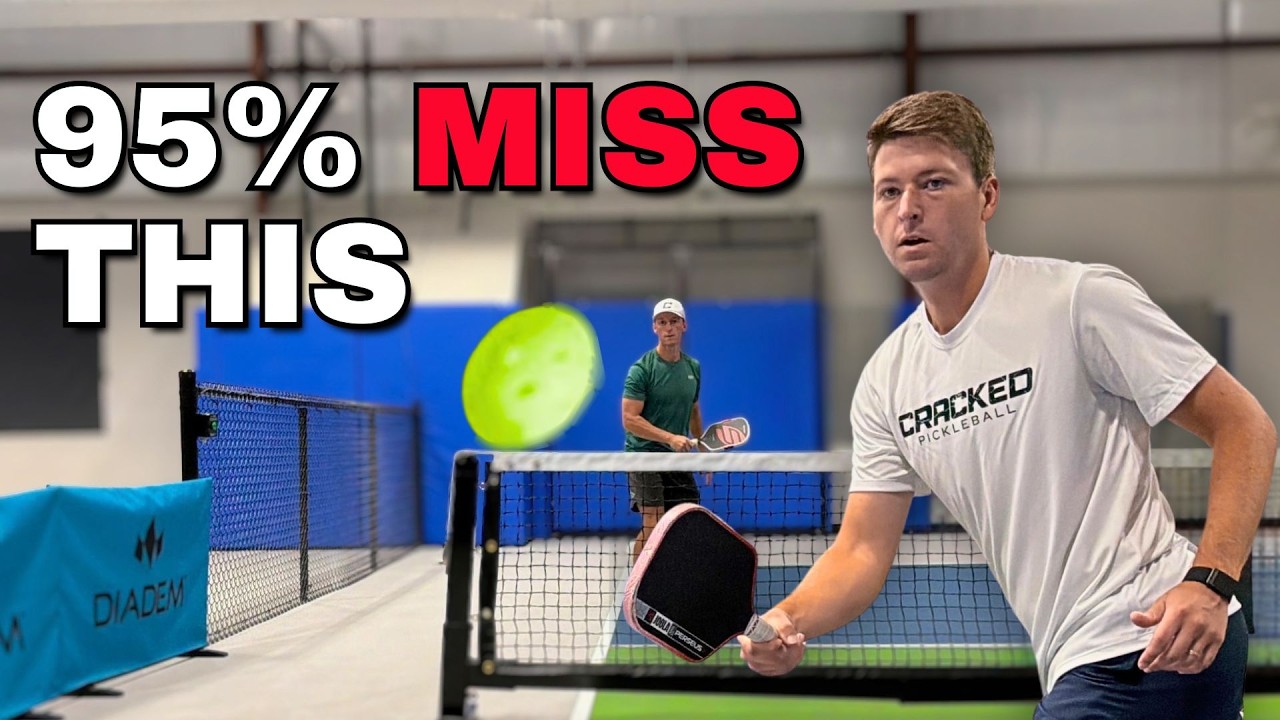
Many amateur pickleball players inadvertently repeat the same technical errors in every match, creating a performance ceiling that prevents them from reaching a professional level. By addressing these four fundamental flaws, you can significantly improve your consistency and court presence without needing to master complex new shots.
The Four Pillars of Pro-Level Play
According to insights from Cracked Pickleball, these are the four most common mistakes holding back 95% of players and the actionable steps to fix them:
- Excessive Strokes: Amateurs often use large backswings and loopy follow-throughs, which create inconsistency and slow down recovery. To fix this, keep your paddle in front of your body at all times and take the shortest possible path to the ball. At the kitchen line, ensure your paddle never crosses behind your hips to maintain faster recovery, better shot disguise, and superior control.
- Inconsistent Contact: While pros consistently hit the sweet spot, amateurs often have scattered contact patterns across their paddle face, leading to unpredictable results. To improve, use the visual cue of trying to see the individual holes in the ball as it approaches. This forces you to lock your eyes on the ball through contact. Practice this by hitting against a wall or dinking with a partner, focusing exclusively on dead-center contact rather than power or spin.
- Poor Footwork: Inadequate footwork leads to poor balance and late shots. Pro-level footwork relies on five specific components: Balance (feet shoulder-width apart, weight on toes, knees bent), the Split Step (a small hop timed with the opponent's contact), the Shuffle (using small lateral steps instead of running for short distances), and Lunge to Reach (using a controlled lunge for balls outside your immediate reach).
- Incorrect Power Generation: Many players rely on their arms to generate power, which is inefficient and limits pace. True power originates from the lower body. Before swinging, press your back foot into the ground to initiate a kinetic chain, then rotate your hips. The arm should simply follow the movement generated by your legs and core, rather than acting as the primary engine for your drive.
By focusing on these core areas—compacting your swing, sharpening your visual focus, refining your footwork, and engaging your lower body for power—you can eliminate the most common gaps between amateur and professional play.